Denemek ALTIN - Özgür
How Wildlife Vaccines Will Prevent The Next Human Pandemic
BBC Focus - Science & Technology
|May 2021
The coronavirus vaccines currently being injected into arms across the world are our escape route to normality. But keeping deadly viruses at bay and maintaining our freedoms in the future may require brand-new mass vaccination programmes that look very different to the ones currently taking place

The coronavirus SARS-CoV-2 that has dominated the news since early 2020 has something in common with other diseases that have hit the headlines in recent years. SARS-CoV-2, just like Ebola, HIV and MERS before it, originated in wildlife before ‘spilling over’ into humans. SARSCoV-2 currently appears to have originated in horseshoe bats and was potentially transferred to humans via an unknown species, possibly pangolins. But other so-called zoonotic diseases (illnesses that spread from animals to humans, and vice versa) originated in the likes of chimps, camels and mice.
While the existence of zoonotic diseases has been known for decades, the coronavirus pandemic has brought into sharp focus how closely our health is connected to the health of the animal species with which we come into contact. “This pandemic is just a tragic wake-up call,” says epidemiologist Dr Jonna Mazet at the University of California, Davis.
Mazet was principal investigator on the PREDICT project, a $207m (£150m approx) global effort run from the US to build a clearer picture of the viruses lurking in wild animals that could spill over into humans and wreak havoc. From 2009 to 2019, the project’s scientists collected samples of animal blood, saliva and dung from fields and forests in 30 countries. They found 940 virus species that hadn’t been previously identified, including 160 coronaviruses and one new Ebola virus that were previously unknown. But this may just be the tip of the iceberg. “We estimate there are probably about 500,000 viruses that could infect people that have not been characterised or detected by science,” says Mazet. Not all of these would cause disease, but it shows the scale of the problem.

Bu hikaye BBC Focus - Science & Technology dergisinin May 2021 baskısından alınmıştır.
Binlerce özenle seçilmiş premium hikayeye ve 9.000'den fazla dergi ve gazeteye erişmek için Magzter GOLD'a abone olun.
Zaten abone misiniz? Oturum aç
BBC Focus - Science & Technology'den DAHA FAZLA HİKAYE

BBC Science Focus
DOES MY DOG HAVE ADHD?
Officially, Attention-Deficit Hyperactivity Disorder (ADHD) is a human condition. People are diagnosed with it. Dogs are not. Yet many of its core features, including hyperactivity, impulsivity and distractibility, can be found in dogs.

1 min
March 2026

BBC Science Focus
DOES MY BRAIN LIVE A LITTLE IN THE PAST?
Yes, your brain does live a little in the past. It can't help it. The information it receives via your senses is always a little out of date. Whether it's light entering the retinas in your eyes, or sounds vibrating the hairs in your ears, it not only takes time for the data to arrive, but your brain then has to process it.
2 mins
March 2026

BBC Science Focus
ASTRONOMY FOR BEGINNERS
RETURN OF THE EVENING STAR (VENUS)
1 mins
March 2026

BBC Science Focus
CAN YOU STOP YOUR SENSE OF TASTE DULLING AS YOU AGE?
Sometimes I hear people say that food just doesn't taste the same as they get older. It's tempting to blame this on age, but there are other factors at play, too.
1 mins
March 2026
BBC Science Focus
MICROBIOMES OF THE SUPERAGERS
BY STUDYING THE INCREASING NUMBER OF PEOPLE WHO ARE LIVING BEYOND THEIR 100TH BIRTHDAYS, SCIENTISTS ARE DISCOVERING THAT THE SECRET TO REACHING A RIPE OLD AGE IN RUDE HEALTH MIGHT LIE IN OUR GUTS
8 mins
March 2026

BBC Science Focus
HOW BIG WERE MEDIEVAL WAR HORSES?
You might picture knights charging into battle on towering steeds, but medieval horses were typically no bigger than modern-day ponies.
1 min
March 2026

BBC Science Focus
FORCES OF HABIT
Could new research on setting up healthy habits resuscitate those stuttering New Year resolutions?
3 mins
March 2026

BBC Science Focus
5 DANGERS HIDING IN YOUR PROCESSED FOOD
We all know that ultra-processed foods are bad for us, but what ingredients should we particularly try to avoid? And what are they doing to our bodies?
9 mins
March 2026
BBC Science Focus
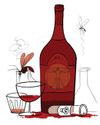
Mosquitoes are becoming thirstier for human blood
Habitat loss may be pushing mosquitoes towards human hosts with deadly consequences
1 mins
March 2026

BBC Science Focus
HOW CAN I GET OVER MY EX?
Relationship breakups can be brutal, just look at the popularity of songs like 'Someone Like You' by Adele, or all the covers of 'Cry Me a River' by Julie London.
1 mins
March 2026
Translate
Change font size