Denemek ALTIN - Özgür
Elephants: Why Are These Iconic African Animals Losing Their Tusks?
BBC Focus - Science & Technology
|December 2021
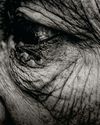
A genetic analysis suggests that African elephants are evolving to be tuskless, and it seems that poaching could be to blame

List an elephant’s most iconic characteristics and tusks should be right behind the long trunk, and arguably ahead of big ears and thick skin.
Tusks are elongated teeth that grow continuously and are used to dig for food and nutrients, clear paths through vegetation, mark or remove tree bark, and for fighting between males. The tusk can serve those diverse purposes thanks to the properties of its main material, ivory, which makes it strong and tough.
Ivory’s impressive properties make it attractive to humans. Traditionally used to make art and ornaments of cultural value, ivory has become a valuable status symbol. But as studies have shown, demand for ivory has helped to fuel a multibillion-dollar wildlife trade that encourages illegal hunting. And now new research has found that this may also have left an evolutionary mark on elephants.
A study by biologists at Princeton University looked at African savannah elephants in Mozambique’s Gorongosa National Park. During a civil war that lasted from 1977 to 1992, more than 90 per cent of large herbivores were slaughtered, including elephants. The elephant population dropped from more than 2,500 individuals 50 years ago, to less than 250 in 2000.


Bu hikaye BBC Focus - Science & Technology dergisinin December 2021 baskısından alınmıştır.
Binlerce özenle seçilmiş premium hikayeye ve 9.000'den fazla dergi ve gazeteye erişmek için Magzter GOLD'a abone olun.
Zaten abone misiniz? Oturum aç
BBC Focus - Science & Technology'den DAHA FAZLA HİKAYE

BBC Science Focus
DOES MY DOG HAVE ADHD?
Officially, Attention-Deficit Hyperactivity Disorder (ADHD) is a human condition. People are diagnosed with it. Dogs are not. Yet many of its core features, including hyperactivity, impulsivity and distractibility, can be found in dogs.

1 min
March 2026

BBC Science Focus
DOES MY BRAIN LIVE A LITTLE IN THE PAST?
Yes, your brain does live a little in the past. It can't help it. The information it receives via your senses is always a little out of date. Whether it's light entering the retinas in your eyes, or sounds vibrating the hairs in your ears, it not only takes time for the data to arrive, but your brain then has to process it.
2 mins
March 2026

BBC Science Focus
ASTRONOMY FOR BEGINNERS
RETURN OF THE EVENING STAR (VENUS)
1 mins
March 2026

BBC Science Focus
CAN YOU STOP YOUR SENSE OF TASTE DULLING AS YOU AGE?
Sometimes I hear people say that food just doesn't taste the same as they get older. It's tempting to blame this on age, but there are other factors at play, too.
1 mins
March 2026
BBC Science Focus
MICROBIOMES OF THE SUPERAGERS
BY STUDYING THE INCREASING NUMBER OF PEOPLE WHO ARE LIVING BEYOND THEIR 100TH BIRTHDAYS, SCIENTISTS ARE DISCOVERING THAT THE SECRET TO REACHING A RIPE OLD AGE IN RUDE HEALTH MIGHT LIE IN OUR GUTS
8 mins
March 2026

BBC Science Focus
HOW BIG WERE MEDIEVAL WAR HORSES?
You might picture knights charging into battle on towering steeds, but medieval horses were typically no bigger than modern-day ponies.
1 min
March 2026
BBC Science Focus
FORCES OF HABIT
Could new research on setting up healthy habits resuscitate those stuttering New Year resolutions?
3 mins
March 2026

BBC Science Focus
5 DANGERS HIDING IN YOUR PROCESSED FOOD
We all know that ultra-processed foods are bad for us, but what ingredients should we particularly try to avoid? And what are they doing to our bodies?
9 mins
March 2026
BBC Science Focus
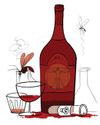
Mosquitoes are becoming thirstier for human blood
Habitat loss may be pushing mosquitoes towards human hosts with deadly consequences
1 mins
March 2026

BBC Science Focus
HOW CAN I GET OVER MY EX?
Relationship breakups can be brutal, just look at the popularity of songs like 'Someone Like You' by Adele, or all the covers of 'Cry Me a River' by Julie London.
1 mins
March 2026
Translate
Change font size