Denemek ALTIN - Özgür
Electric Vehicles: What Can We Do With The Growing Number Of Dead Batteries?
BBC Focus - Science & Technology
|July 2021
What will happen to the batteries when the first generation of electric vehicles reach the end of their lifespans in around a decade? Are they bound for the scrapheap, or can they be salvaged?

Combustion-engine vehicles are viewed as enemies of the environment and it’s easy to see why. By burning fossil fuels, every motorcycle, car, van and lorry adds to air pollution and contributes to climate change. It’s why governments are encouraging drivers to switch to more environmentally friendly electric vehicles (EVs). But while combustion-engine vehicles are an enemy in terms of emissions, they’re currently more of an ally when it comes to recycling.
The lead-acid batteries found in combustion-engine cars are easily and widely recycled, says Dr Daniel Reed, a lecturer in materials chemistry at the University of Birmingham. “Lead-acid batteries are the most recycled consumer product globally. [The technology is] mature and standardised so it doesn’t matter who makes your battery or which car you own because the battery conforms to certain regulatory specifications.”
The simplicity of lead-acid batteries also helps. They contain relatively few materials (lead for the electrodes, sulphuric acid for the electrolyte, and polypropylene to encase everything), each of which can be easily separated and sold.
The lithium-ion batteries used in EVs are almost the exact opposite.
“In a lithium-ion battery, you’ve got about 10 different components that are interspersed as tiny composite materials, as well as fluorinated polymers, fluorinated electrolytes and fluorinated solvents, all which are a complete nightmare to separate,” says Prof Andrew Abbott, a physical chemist at the University of Leicester.
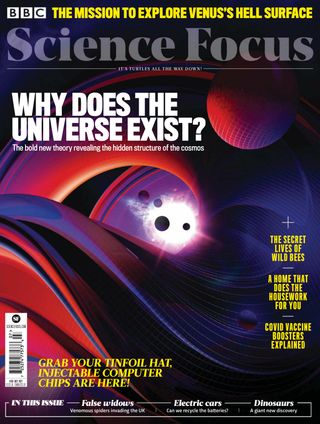

Bu hikaye BBC Focus - Science & Technology dergisinin July 2021 baskısından alınmıştır.
Binlerce özenle seçilmiş premium hikayeye ve 9.000'den fazla dergi ve gazeteye erişmek için Magzter GOLD'a abone olun.
Zaten abone misiniz? Oturum aç
BBC Focus - Science & Technology'den DAHA FAZLA HİKAYE

BBC Science Focus
DOES MY DOG HAVE ADHD?
Officially, Attention-Deficit Hyperactivity Disorder (ADHD) is a human condition. People are diagnosed with it. Dogs are not. Yet many of its core features, including hyperactivity, impulsivity and distractibility, can be found in dogs.

1 min
March 2026

BBC Science Focus
DOES MY BRAIN LIVE A LITTLE IN THE PAST?
Yes, your brain does live a little in the past. It can't help it. The information it receives via your senses is always a little out of date. Whether it's light entering the retinas in your eyes, or sounds vibrating the hairs in your ears, it not only takes time for the data to arrive, but your brain then has to process it.
2 mins
March 2026

BBC Science Focus
ASTRONOMY FOR BEGINNERS
RETURN OF THE EVENING STAR (VENUS)
1 mins
March 2026

BBC Science Focus
CAN YOU STOP YOUR SENSE OF TASTE DULLING AS YOU AGE?
Sometimes I hear people say that food just doesn't taste the same as they get older. It's tempting to blame this on age, but there are other factors at play, too.
1 mins
March 2026

BBC Science Focus
MICROBIOMES OF THE SUPERAGERS
BY STUDYING THE INCREASING NUMBER OF PEOPLE WHO ARE LIVING BEYOND THEIR 100TH BIRTHDAYS, SCIENTISTS ARE DISCOVERING THAT THE SECRET TO REACHING A RIPE OLD AGE IN RUDE HEALTH MIGHT LIE IN OUR GUTS
8 mins
March 2026

BBC Science Focus
HOW BIG WERE MEDIEVAL WAR HORSES?
You might picture knights charging into battle on towering steeds, but medieval horses were typically no bigger than modern-day ponies.
1 min
March 2026

BBC Science Focus
FORCES OF HABIT
Could new research on setting up healthy habits resuscitate those stuttering New Year resolutions?
3 mins
March 2026

BBC Science Focus
5 DANGERS HIDING IN YOUR PROCESSED FOOD
We all know that ultra-processed foods are bad for us, but what ingredients should we particularly try to avoid? And what are they doing to our bodies?
9 mins
March 2026
BBC Science Focus
Mosquitoes are becoming thirstier for human blood
Habitat loss may be pushing mosquitoes towards human hosts with deadly consequences
1 mins
March 2026

BBC Science Focus
HOW CAN I GET OVER MY EX?
Relationship breakups can be brutal, just look at the popularity of songs like 'Someone Like You' by Adele, or all the covers of 'Cry Me a River' by Julie London.
1 mins
March 2026
Translate
Change font size