
Go Unlimited with Magzter GOLD
Get unlimited access to 10,000+ magazines, newspapers and Premium stories for just
Try GOLD - Free
THE DEADLIEST ANIMALS ON EARTH
How It Works UK
|Issue 212
There are lots of dangerous animals out there, but not all of nature's human-killers are big and scary. In fact, the deadliest are so small you rarely notice them until it's too late...
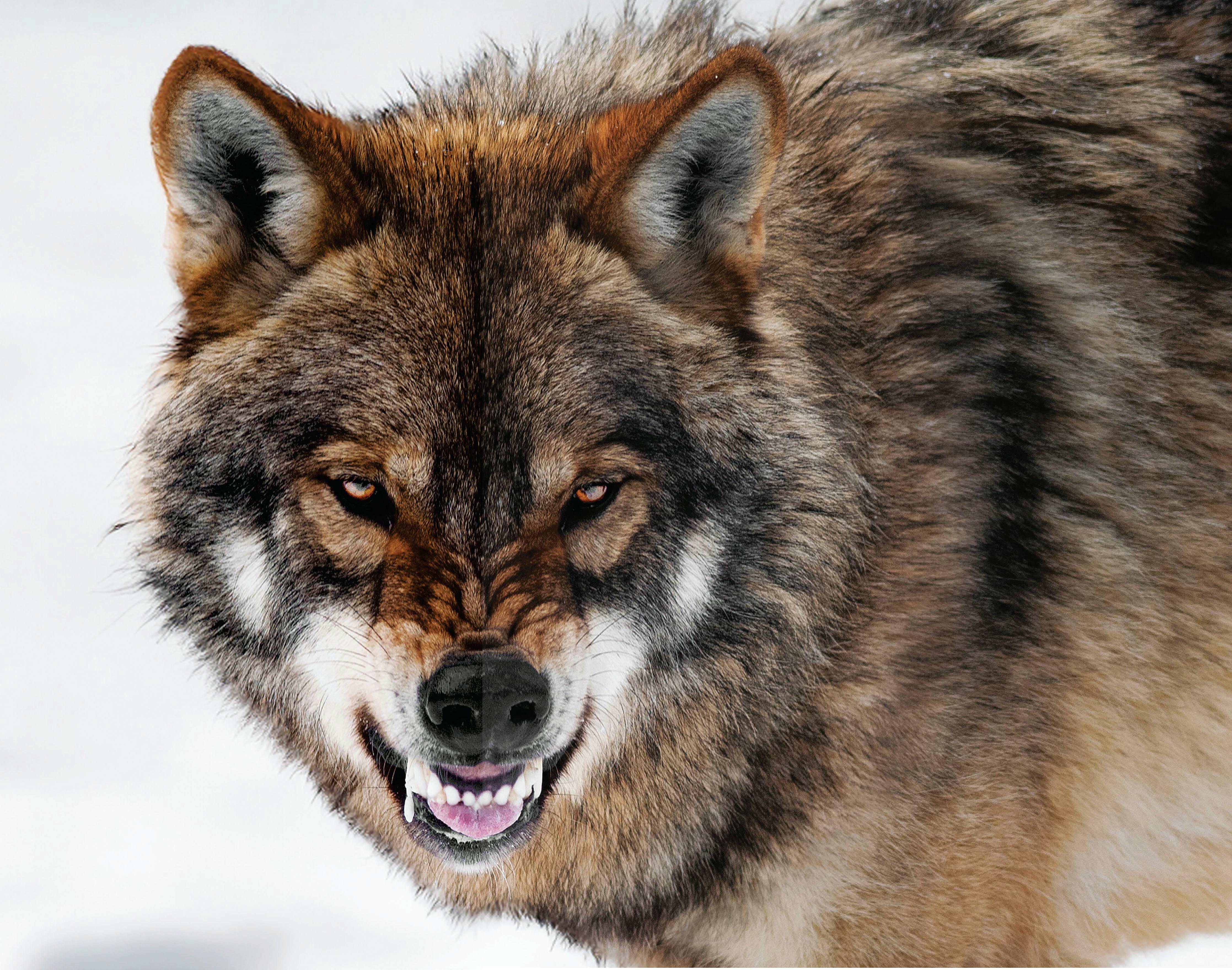
Nature, as Alfred Tennyson once famously wrote, is red in tooth and claw.
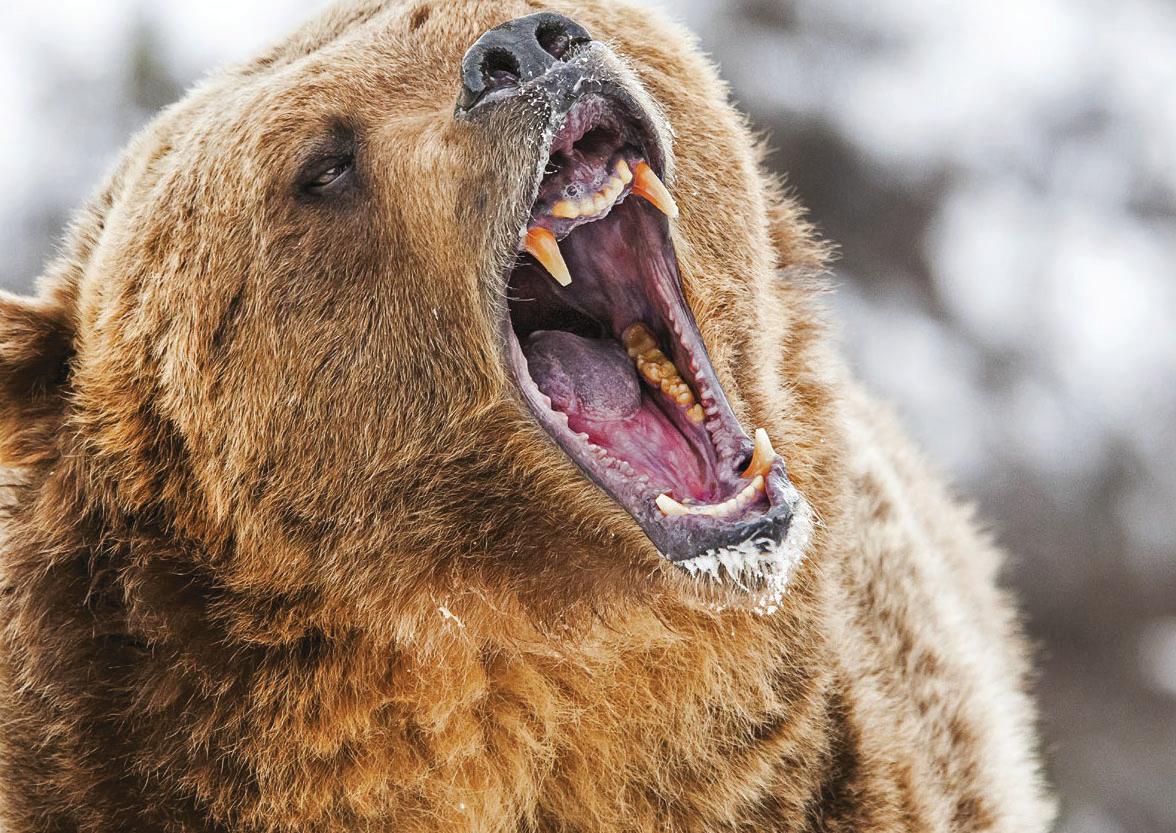
But while Mother Nature has seen fit to equip even small mammals with said teeth and claws, humans are surprisingly defenceless in comparison. Even fighting off something as relatively small as an angry ferret poses a challenge to hairless apes like us. We've made up for it with our big brains and ability to use tools, of course, becoming the dominant animal on the planet pretty much as soon as we made it out of Africa. But take away our guns and put us face to face with an angry predator and we're pretty much entirely at their mercy. Thousands of years of human population expansion have pushed most of the truly fearsome members of the animal kingdom either to extinction or to the outer reaches of our habitats. But some are still out there, and when we do encounter them, the results aren't pretty.
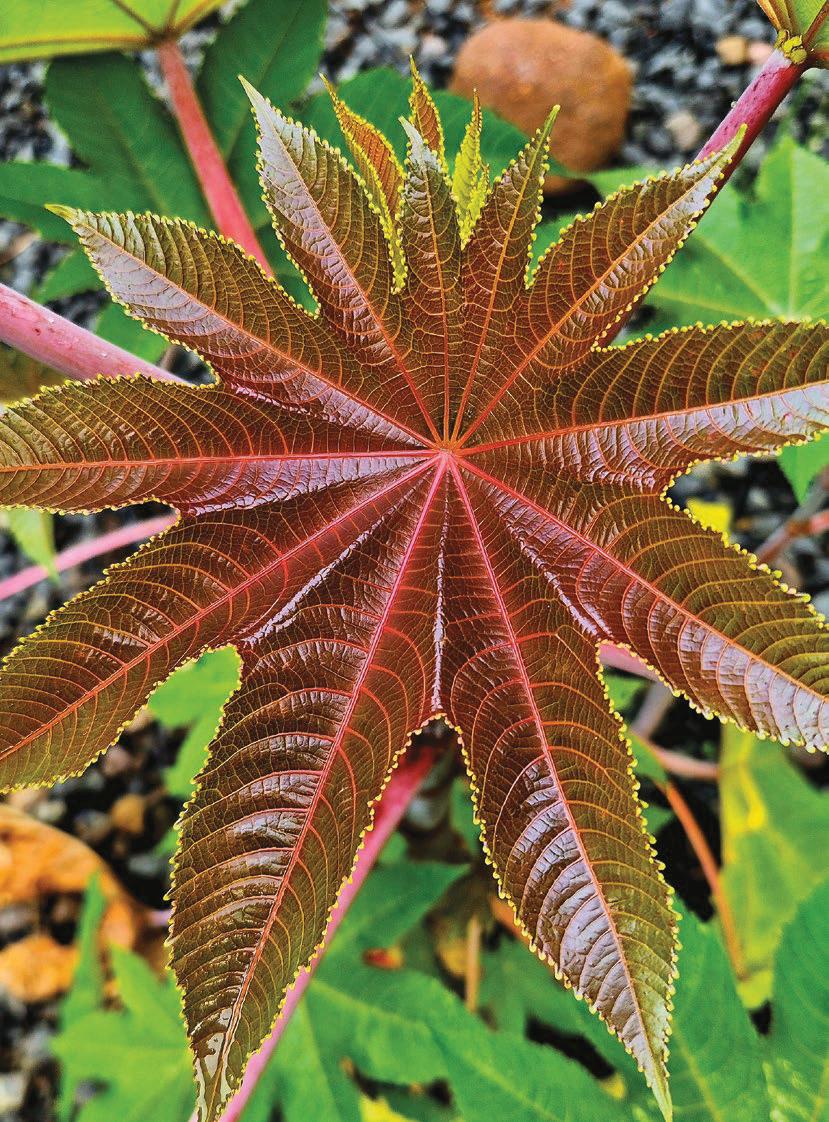 POISONOUS PLANTS THAT CAN KILL
Not everything in the shrubbery is as innocent as it might look, as these plants attest. One of the most poisonous forms of vegetation in the world is the humble castor oil plant. Despite being found in gardens all over the world, the plant's seeds are dangerous, harbouring ricin - an incredibly toxic chemical. On average, just four to eight seeds are all it takes to wipe you out. Death is a slow process, taking up to five days if untreated. Ingesting belladonna, or deadly nightshade, as it's often known, results in a much swifter death. Just two to five berries or a single leaf can be fatal.

This story is from the Issue 212 edition of How It Works UK.
Subscribe to Magzter GOLD to access thousands of curated premium stories, and 10,000+ magazines and newspapers.
Already a subscriber? Sign In
MORE STORIES FROM How It Works UK
How It Works UK
WHY ANIMALS PLAY DEAD
These species have mastered faking their own deaths for several different reasons

1 min
Issue 214
How It Works UK
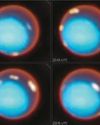
THE JAMES WEBB SPACE TELESCOPE MAPS 3D AURORAE ON URANUS
An international team of researchers has uncovered new insights into the upper atmosphere of Uranus, where ions swirling above the ice giant's clouds meet its magnetic field.
1 min
Issue 214
How It Works UK
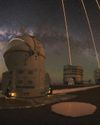
LASERS BEAM 'ARTIFICIAL STARS' INTO CHILE'S SKIES
The European Southern Observatory has released a breathtaking photo of the Milky Way shining over Paranal Observatory in Chile as lasers create artificial 'guide stars' in the dark sky above.
1 min
Issue 214

How It Works UK
WHISKERS AT WORK
How long hairs on a cat's face fine-tune their senses
2 mins
Issue 214

How It Works UK
HOW AI IMPROVES CAR SAFETY
The vehicle technology that saves lives today - and the innovations that will soon make the roads safer for everyone
4 mins
Issue 214

How It Works UK
APOLLO 17: THE LAST CREWED MOON LANDING
It's been over 50 years since the final Apollo mission, so why haven't we put astronauts on the Moon since then?
4 mins
Issue 214
How It Works UK
WHAT IS LIMESCALE?
Why 'hard' water leaves chalky, flaky deposits wherever it settles
2 mins
Issue 214
How It Works UK
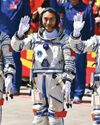
Astronauts describe the moment a crack was discovered on their spacecraft
Chinese astronauts have described what happened when they were nearly stranded in space last year after a suspected piece of space junk struck their return capsule.
2 mins
Issue 214
How It Works UK
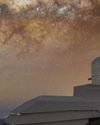
The Vera C. Rubin Observatory found 800,000 objects of interest in a single night
The newly commissioned Vera C. Rubin Observatory has issued 800,000 astronomy alerts in just one night, a staggering number of nightly discoveries that's expected to grow nearly tenfold by the end of this year.
2 mins
Issue 214
How It Works UK
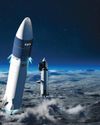
RETURN TO THE MOON
Project Artemis is accelerating its push to put humans back on Earth's orbital dancing partner before the end of the decade
5 mins
Issue 214
Listen
Translate
Change font size