Try GOLD - Free
There's another diabetes in town, here's how to recognise it
BBC Science Focus
|November 2025
Misdiagnosis rates for this rare type of diabetes could be complicating treatment for patients
-
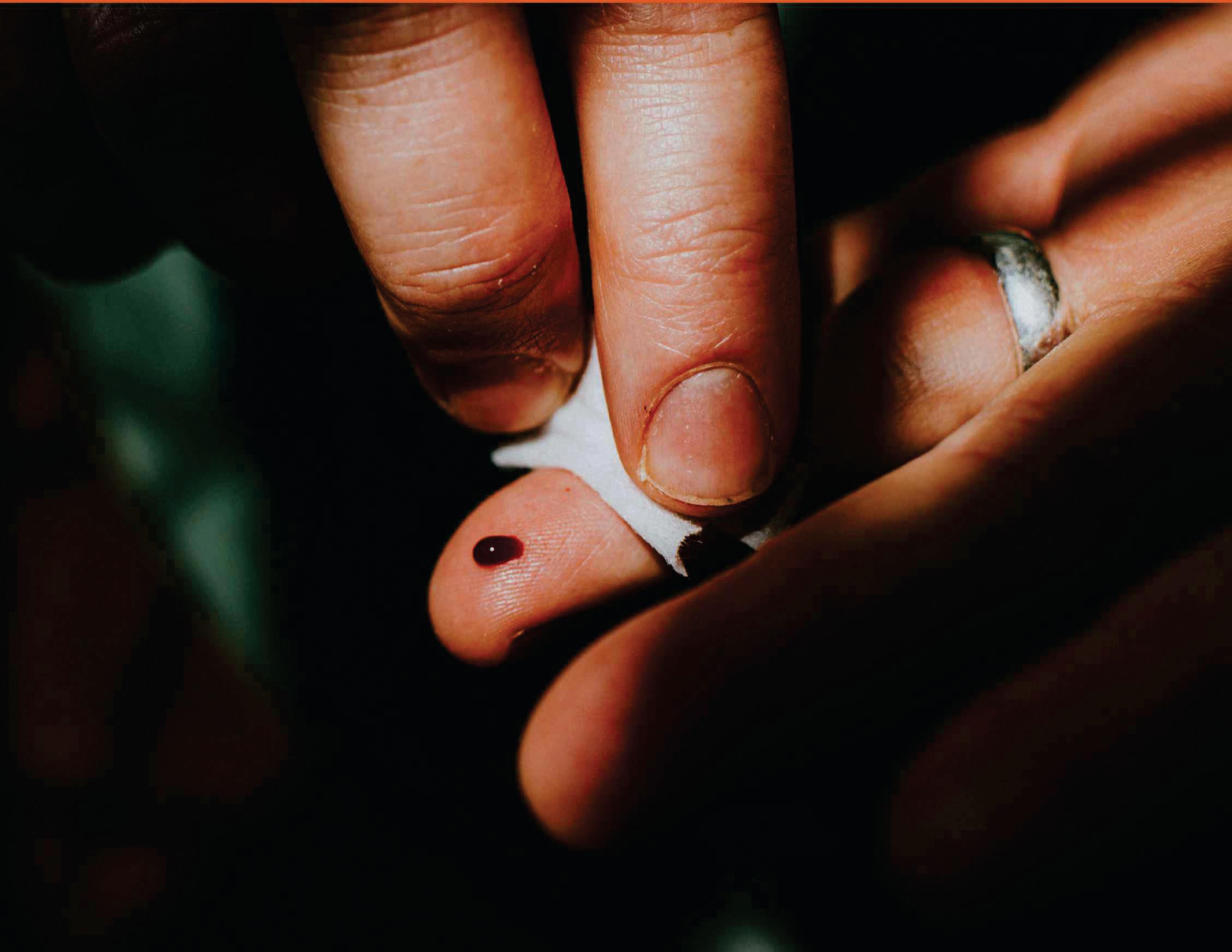
You might be surprised to learn that there are more than two types of diabetes. We're all familiar with types 1 and 2, but you may have seen another one type 1.5 making headlines recently.
Type 1.5 diabetes, or latent autoimmune diabetes in adults (LADA) to use its official name, is not a new form of diabetes, but it is somewhat rare. It's been medically recognised as a distinct form of diabetes since 1993 and accounts for 3-12 per cent of all cases of diabetes in adults.
Type 1.5 diabetes, or latent autoimmune diabetes in adults (LADA) to use its official name, is not a new form of diabetes, but it is somewhat rare. It's been medically recognised as a distinct form of diabetes since 1993 and accounts for 3-12 per cent of all cases of diabetes in adults.
But as LADA shares similarities with its two, more famous, cousins, it's also trickier to identify. Hence, it's often misdiagnosed. As many as 14 per cent of people diagnosed with type 2 diabetes may actually have LADA, which is why it's been in the headlines of late.
Like type 1 and 2 diabetes, LADA is classed as a disorder of too much sugar, or glucose, in the blood.
When this occurs, it doesn't matter what kind of diabetes you have, the symptoms remain the same: extreme thirst, frequent visits to the toilet, fatigue and unexplained weight loss. Diabetes UK, the leading UK charity for the disease, describe these as 'the four Ts': thirst, toilet, tired and thinner.
"The onset of LADA is therefore more similar to type 2 diabetes"
Once these symptoms appear, it's important to seek a diagnosis as soon as possible. Untreated diabetes can lead to a host of severe complications, impacting the kidneys, eyes and feet, as well as the nerve cells in your body.
But if the symptoms for these diseases are all the same, how can experts tell which kind of diabetes you really have? And how does it affect the way you treat it?

This story is from the November 2025 edition of BBC Science Focus.
Subscribe to Magzter GOLD to access thousands of curated premium stories, and 10,000+ magazines and newspapers.
Already a subscriber? Sign In
MORE STORIES FROM BBC Science Focus
BBC Science Focus
HEALTH: Eating oats could lower your cholesterol in just two days
The health benefits of a two-day porridge diet lasted for weeks afterwards

1 mins
April 2026

BBC Science Focus
Most people are too sure they can identify fake human faces
Even 'super recognisers' struggle with the challenge. Can you do better?
1 min
April 2026

BBC Science Focus
WHAT'S THE WORST THING YOU CAN DO FOR THE PLANET ONLINE?
Human beings can barely move a muscle without some kind of deleterious effect on the environment around us.
2 mins
April 2026
BBC Science Focus
A bug in the system
The complex arrangement of equipment you see here is part of a particle accelerator.
1 min
April 2026
BBC Science Focus
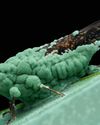
Snug as a bug in a rug
At first glance, you might feel envious of this little leafhopper, swaddled beneath the folds of what appears to be a luxurious fur blanket.
1 min
April 2026

BBC Science Focus
WHY DO WE ROOT FOR THE VILLAIN IN MOVIES?
Whether it's Darth Vader or Cruella de Vil, we all have a favourite movie villain.
1 mins
April 2026

BBC Science Focus
A TURN TO DISPERSE
Why a fart walk after dinner does more than release your gas
3 mins
April 2026
BBC Science Focus
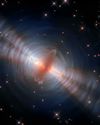
Hatching a nebula
Welcome to the Egg Nebula, an enigmatic structure formed by ejected stardust in the Cygnus constellation around 1,000 light-years from Earth.
1 min
April 2026

BBC Science Focus
7 TIMES AI GOT IT SPECTACULARLY WRONG
For the past four years, AI has been reshaping how we work and live. But its failures are proving just as transformative as its triumphs
8 mins
April 2026
BBC Science Focus
CHARLES ADCOCK, VIA EMAIL: COULD DARK MATTER BE ALL AROUND PLANET EARTH BUT UNDETECTABLE?
Astronomers have gathered overwhelming evidence that 80 per cent of all matter in the Universe is invisible.
1 min
April 2026
Listen
Translate
Change font size