Try GOLD - Free
THE NEW FACE OF WARFARE: ASSASSINATIONS AND THE VIRTUAL NARRATIVE
Geopolitics
|August 2025
The wars in Ukraine and Gaza, coupled with the India-Pakistan military skirmish of May 2025, have shown that not only has warfare changed, but older forms of military attacks are once again back in fashion. Therefore, nations need to figure out the diplomatic, military, and technological implications of these trends
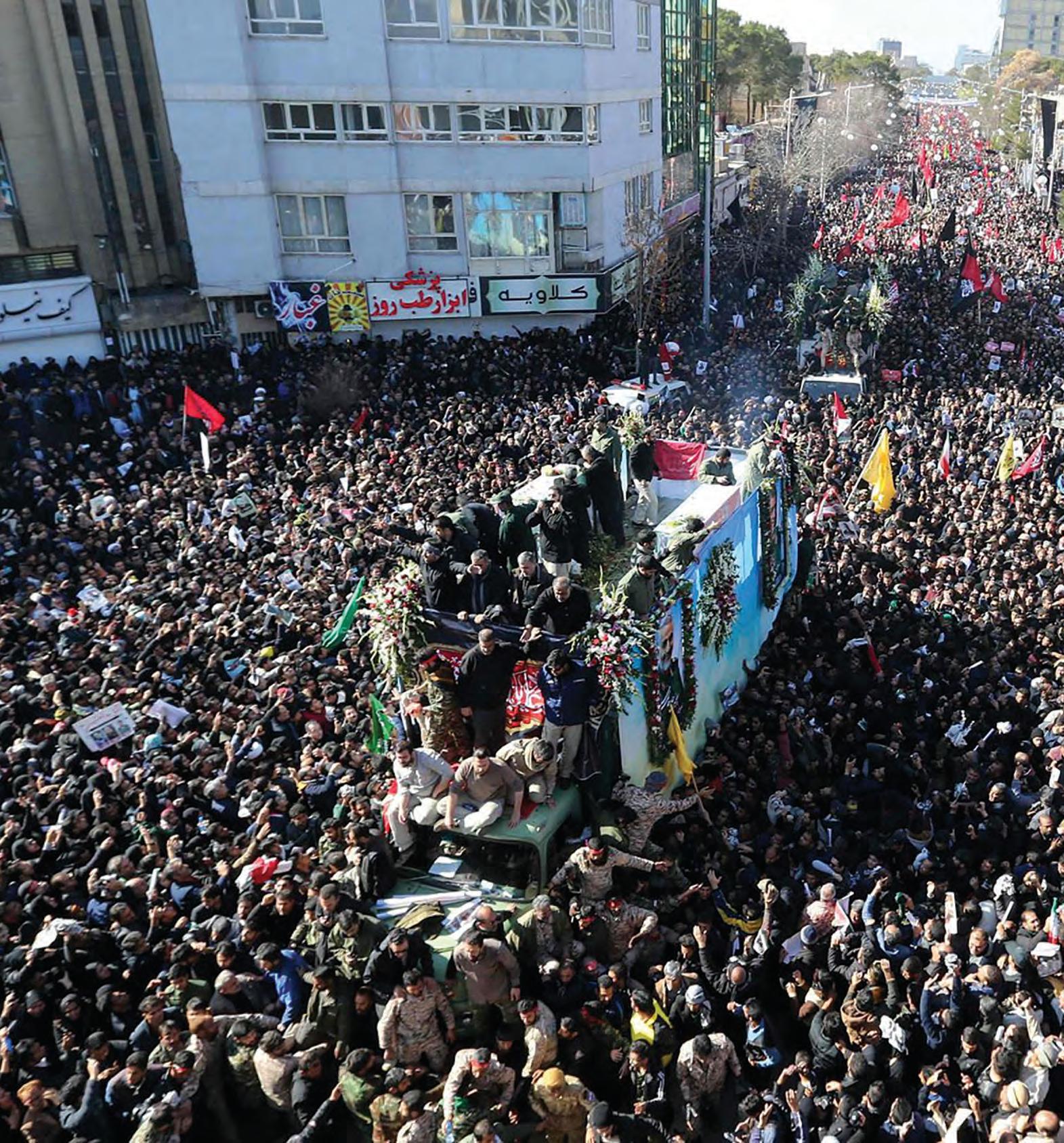
Throughout history, assassinations of the political leadership have been used as a means to defeat the enemy or to try and get a change in policy in the targeted state—after all, there was a reason the term regicide was coined in the lexicon of political action.
However, the problem with this option has been twofold: decapitating leadership means you lose the people to talk to so as to bring about war termination or a political settlement; and there is the more obvious problem that the leadership that replaces them may be both more radical and far more dangerous to deal with.
Such concerns, however, have not stopped nations from carrying out assassinations, albeit with mixed results. In World War II, the United States successfully assassinated Japanese Admiral Yamamoto, who had masterminded the attack on Pearl Harbour. Yamamoto's assassination was a morale booster for the Americans because of the outrage in that country against the Japanese attack. But Yamamoto's death did not hasten the end of the American campaign in the Pacific. What was the overwhelming industrial advantage that the United States had over Japan, leading Washington to literally outproduce the Japanese and German war efforts?
Incidentally, Yamamoto, before the war, had been the Japanese naval attaché in Washington and had toured the country and seen its formidable industrial capacity.
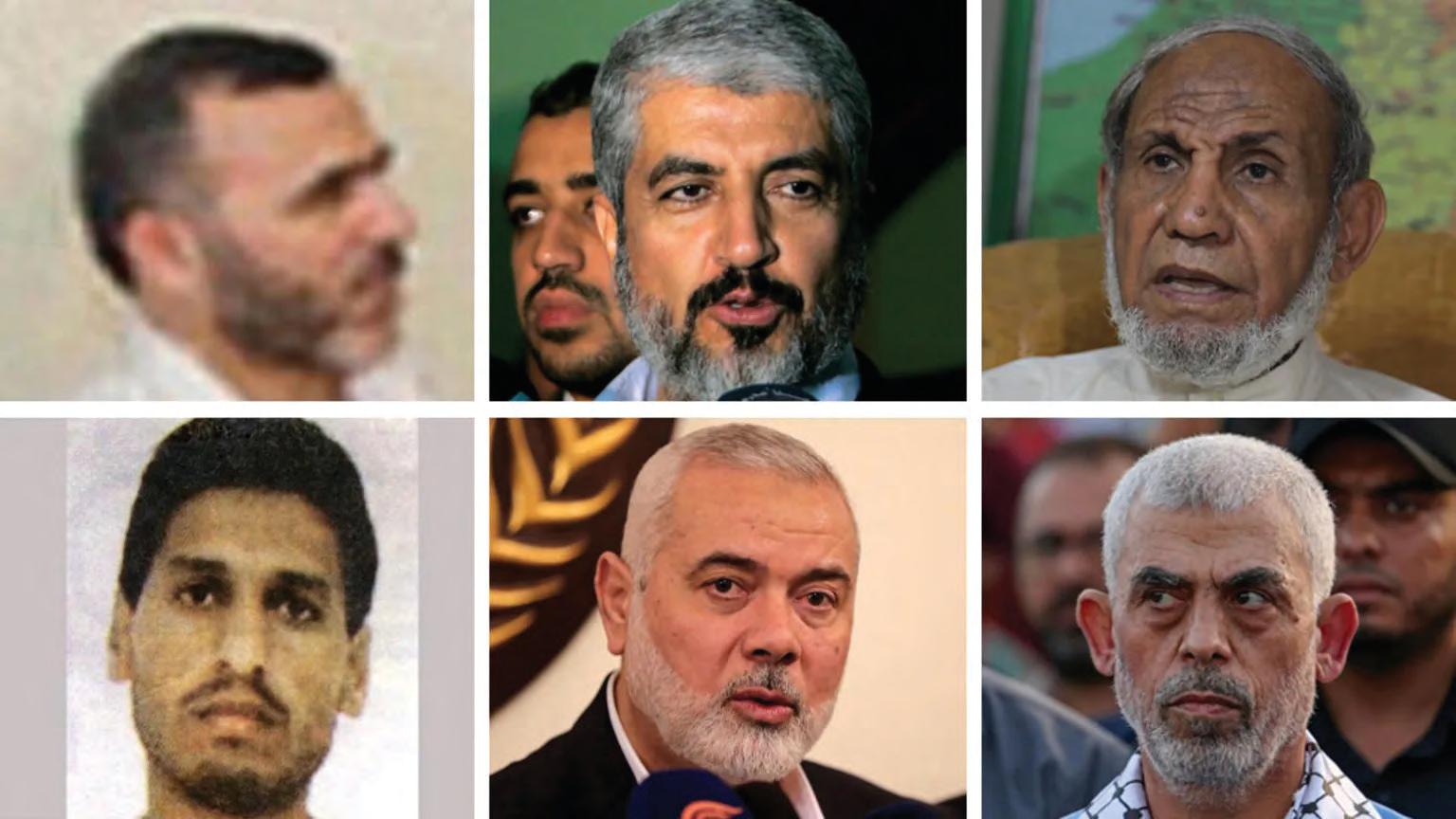
In the Cold War era, assassinations were carried out by both sides against political figures and dissidents, and this approach was adopted by nations across the world who sought to assassinate their rivals, very often on foreign soil. In recent times, Saudi Arabia, with the murder of Jamal Khashoggi and the Iranians killing dissidents in Europe, has carried out such actions.


This story is from the August 2025 edition of Geopolitics.
Subscribe to Magzter GOLD to access thousands of curated premium stories, and 10,000+ magazines and newspapers.
Already a subscriber? Sign In
MORE STORIES FROM Geopolitics

Geopolitics
Navy Advances Amphibious Carrier Evaluation
The Indian Navy has begun technical evaluations for its proposed Landing Helicopter Dock warship programme, widely viewed as a step toward developing a compact, drone-enabled aircraft-carrier capability.

1 min
May 2026

Geopolitics
Indigenous Engine Materials Near Completion
MIDHANI has reportedly completed nearly half of the specialised alloy development work required for India's proposed 120kN engine intended for the Advanced Medium Combat Aircraft programme, with around 80 per cent of the materials already certified.
1 mins
May 2026

Geopolitics
Sheshnag Swarms Transform Battlefield Dynamics
Bengaluru-based NewSpace Ben Hechnologies is preparing to Research Sheshnag-20 swarming loitering munition system for trials with the Indian Army following successful developmental testing.
1 min
May 2026
Geopolitics
MPATGM Nears Production Clearance Milestone
India's indigenous Man-Portable Anti-Tank Guided Missile programme has moved closer to final production approval following successful moving-target trials.
1 min
May 2026
Geopolitics
India Accelerates Future Combat Drones
India is accelerating the development of multiple manned-unmanned teaming programmes under the Combat Air Teaming System initiative as the country prepares for the next generation of network-centric aerial warfare.
1 min
May 2026
Geopolitics
THE IRON RENAISSANCE
India is committing ₹57,000 crore to overhaul its ageing Soviet-era tank fleet into a digital warfighting force. The transformation comes as China's Type 15 tanks loom on Himalayan ridgelines and Ukraine's battlefield lessons echo worldwide. The country's engineers are reimagining the very concept of the tank for a new era of combat. A Special Report
8 mins
May 2026

Geopolitics
THE ALGORITHMIC BATTLEFIELD IS THE FUTURE
As India is confronted with a critical strategic question of whether to prioritise indigenous development or to rely on foreign Artificial Intelligence technologies to guarantee sovereignty and security, JOSEPH P CHACKO analyses indigenous capabilities and the dependence versus self-reliance debate, as well as Al implementations in surveillance, threat detection, and decision support systems within the Indian defence framework.
14 mins
May 2026
Geopolitics
Rafale Partnership Structure Faces Overhaul
India is reportedly examining a major restructuring of the Dassault Reliance Aerospace Limited (DRAL) venture, with discussions underway regarding the induction of a new private-sector partner to strengthen Rafale-related manufacturing and maintenance operations in the country.
1 mins
May 2026

Geopolitics
INDIA'S DEFENCE VISION-2047: CLARITY BEFORE CAPABILITY
While the outlined roadmap for the Indian defence forces to emerge as the best in the world by the time the country celebrates 100 years of independence is timely, argues that one should not rush into creating theatre commands before becoming self-reliant in defence manufacturing.
6 mins
May 2026

Geopolitics
Indigenous Blast Capabilities Expand Rapidly
Sagar Defence Engineering has secured an explosives manufacturing licence, marking a major milestone in the company's expansion into indigenous defence production and reinforcing India's broader push towards strategic self-reliance in military technologies.
1 min
May 2026
Listen
Translate
Change font size