Try GOLD - Free
Price of poll promises
THE WEEK India
|April 05, 2026
The politics of freebies needs a clear legal framework to balance welfare obligations with fiscal responsibility
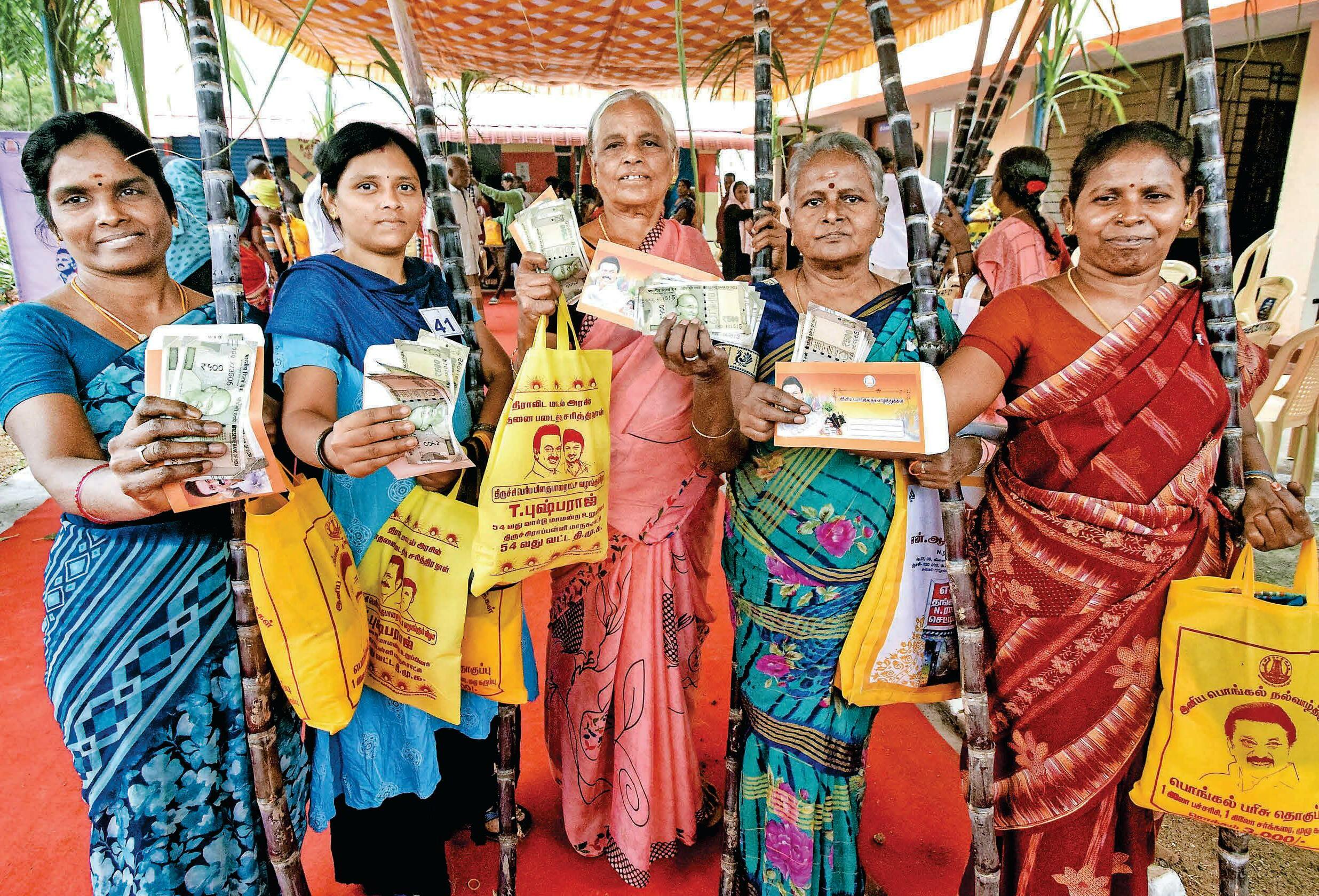
A FEW MONTHS before Punjab's last assembly elections in 2022, a shopkeeper in Ludhiana summed up the mood of many voters with a shrug: "If electricity becomes free, one tension in life disappears." For him, free power was not a fiscal debate or a governance dilemma; it was relief. Across India, millions share that sentiment. Subsidised electricity, free transport, loan waivers and cash transfers promise protection against rising costs and economic uncertainty. Yet the politics of welfare has now moved beyond campaign rallies into the courtroom, raising fundamental questions about the limits of electoral promises, the authority of institutions and the constitutional idea of a welfare state.
The debate intensified after the Supreme Court sought an explanation from the Tamil Nadu government on the fiscal implications of providing free electricity. What began as a policy dispute soon evolved into a larger conversation about whether unlimited electoral promises risk undermining fiscal stability. The controversy has also exposed a complicated legal landscape involving the courts, the Election Commission and the Representation of the People Act, 1951, where the line between welfare policy and electoral inducement remains blurred.
The constitutional dimension of the issue makes the matter particularly delicate. Indian courts have traditionally exercised restraint when it comes to economic policy. Welfare programmes, subsidies and public spending priorities are regarded as decisions that fall primarily within the domain of elected governments. Judicial review allows courts to examine whether a policy violates constitutional provisions or statutory law, but courts generally avoid evaluating the wisdom of economic policy itself. This principle of judicial restraint reflects the separation of powers embedded in the Constitution.
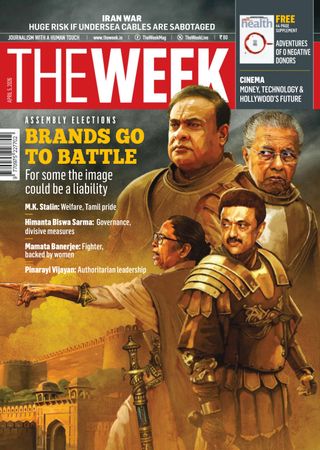

This story is from the April 05, 2026 edition of THE WEEK India.
Subscribe to Magzter GOLD to access thousands of curated premium stories, and 10,000+ magazines and newspapers.
Already a subscriber? Sign In
MORE STORIES FROM THE WEEK India
THE WEEK India
MASSIVE ADMISSION INTAKE MUST BE REWORKED
INTERVIEW: Professor Onkar Singh former governing board member, IIT Kanpur and IIT (BHU) Varanasi

2 mins
July 05, 2026

THE WEEK India
KNOWLEDGE WARRIORS
A simple mantra—what problem can I solve—is reshaping college education in India
5 mins
July 05, 2026

THE WEEK India
IN GREEN WE TRUST
Inside the Congress leadership's secretive green paper system that quietly drives crucial decisions
3 mins
July 05, 2026

THE WEEK India
Flower power
Thanks to government policy and scientific intervention, Bhaderwah’s lavender fields have become the epicentre of India’s Purple Revolution. The next step: going global
4 mins
July 05, 2026

THE WEEK India
The pineal gland
The first thing I noticed was that he never looked me in the eye.
3 mins
July 05, 2026

THE WEEK India
A centennial gift for the naked dancer
For a hundred years, she danced with naked abandon, and the world of antiquarians enjoyed watching her.
2 mins
July 05, 2026

THE WEEK India
BUILT DIFFERENT
India’s premier technology institutes are rethinking what an engineer should be Darling, can you buy a pint of milk,” asked the engineer's wife.
4 mins
July 05, 2026

THE WEEK India
The return of trust
A new, evolving framework for returning money to victims is reshaping the Enforcement Directorate’s response to financial fraud
7 mins
July 05, 2026

THE WEEK India
HOW YOU THINK MATTERS FAR MORE THAN WHAT YOU KNOW
Sunil Chemmankotil country manager, Adecco India
2 mins
July 05, 2026

THE WEEK India
THE LEGEND IN SLO-MO
His brace against Uzbekistan notwithstanding, Cristiano Ronaldo is searching for the speed and mobility that made him one of the greatest attackers of all time
7 mins
July 05, 2026
Listen
Translate
Change font size