
Go Unlimited with Magzter GOLD
Get unlimited access to 10,000+ magazines, newspapers and Premium stories for just
Try GOLD - Free
“She was in the world of change but somehow apart from it”
BBC History UK
|December 2022
Throughout her reign, Queen Elizabeth II remained a constant presence in an era of vast social, technological and geopolitical transformation. Anna Whitelock charts an era in which Britain, but not its queen, changed beyond recognition
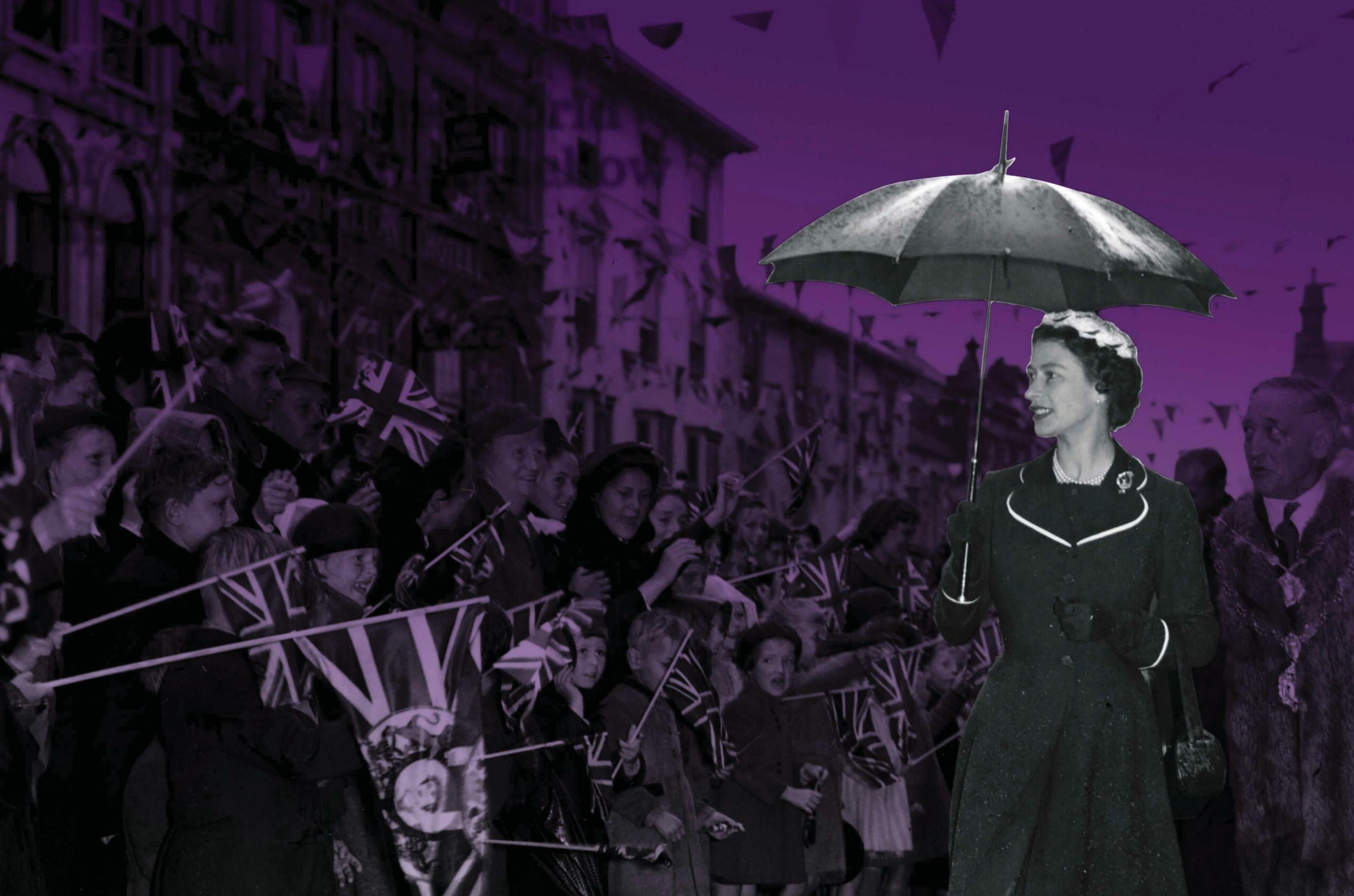
Never before has Britain changed so dramatically during the reign of one monarch. The second Elizabethan age was defined by unprecedented transformations in every facet of life, the effects of which rivalled those of the industrial revolution more than two centuries earlier. Queen Elizabeth II witnessed significant changes in society, technology, transport and geopolitics, which created what most people would recognise today as the modern British state. The very fact that the monarchy has survived and, indeed, thrived against this backdrop owes much to the late Queen and her constant, unchanging presence over 70 years.
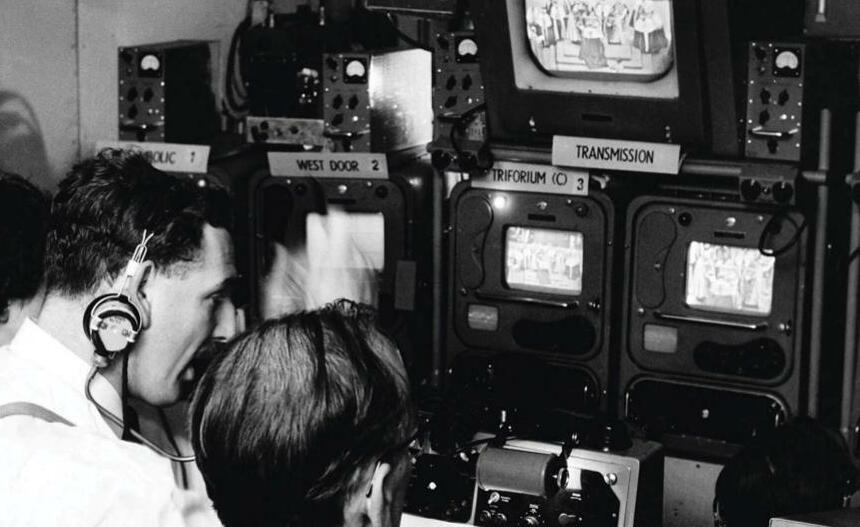
Before the Queen's coronation on 2 June 1953, few people owned a television. The decision to broadcast the ceremony live prompted many to buy their first set, and well over 20 million people in the UK watched Queen Elizabeth II being crowned at Westminster Abbey in London. The BBC, then the only national broadcaster, transmitted on just one (black-and-white) television channel and three radio stations. It approached the coronation filming with reverence and deference. The director general's views were clear: "There ought to be an absolutely rigid policy that so far as the BBC is concerned [the royal family] can be guaranteed complete privacy."

This story is from the December 2022 edition of BBC History UK.
Subscribe to Magzter GOLD to access thousands of curated premium stories, and 10,000+ magazines and newspapers.
Already a subscriber? Sign In
MORE STORIES FROM BBC History UK

History Extra
Personal stories
Few shows have enjoyed the longevity of Who Do You Think You Are? and it's easy to understand why it has endured.

1 min
June 2026

History Extra
Tidal change
Southern mythos notwithstanding, there exists no static, exceptional American South.
1 mins
June 2026

History Extra
Marriage story
Emily Howes on her novel about Catherine Dickens' relationship with her famous husband
1 mins
June 2026
History Extra
Sexual her-story
A witty, wide-ranging account of the myths and power structures behind female sexuality impresses SARAH JONES
2 mins
June 2026

History Extra
History man
According to Tom Hanks, during his childhood 'The War' was a recurring topic in the conversations of the adults around him.
1 min
June 2026
History Extra
How to be a master of disguise
10 do's and don'ts when attending a masquerade
2 mins
June 2026
History Extra
Age of indulgence
Our content producer Charlotte Vosper picks episodes of the HistoryExtra podcast about Georgian Britain
1 min
June 2026

History Extra
Gaffer tape
While Bobby Robson and Gareth Southgate both led England to World Cup semi-finals, Alf Ramsey remains the only manager to actually win the trophy.
1 mins
June 2026

History Extra
What's the origin of the Fosbury Flop?
Like the Salchow in ice skating, the Fosbury Flop is a sport technique that immortalises the name of its creator.
1 min
June 2026

History Extra
EXHIBITIONS
In 1776, the United States of America was born - heralded by the Declaration of Independence.
1 min
June 2026
Translate
Change font size