
Go Unlimited with Magzter GOLD
Get unlimited access to 10,000+ magazines, newspapers and Premium stories for just
Try GOLD - Free
“Protests are political theatre, and public squares are their grand stages”
BBC History UK
|Christmas 2025
With the police about to be given broader powers to tackle disruptive events, the right to protest is in the spotlight. TIMOTHY GARTON ASH and KATRINA NAVICKAS join Danny Bird to discuss the history of popular demonstrations.
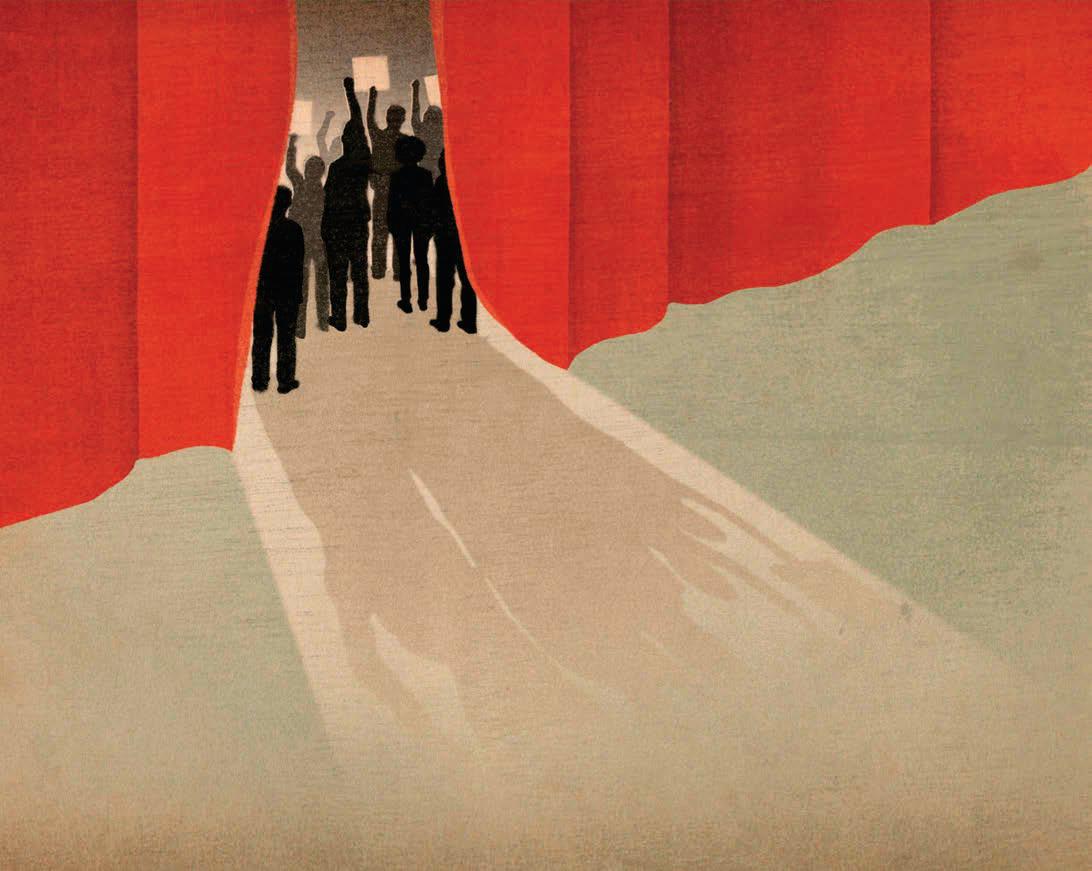
Danny Bird What is a protest? What distinguishes it from a riot or a revolution?
Katrina Navickas A protest is often defined by law, making it a fluid and changeable term. In England and Wales, its meaning has evolved over time. The earliest legal definition dates to the 1714 Riot Act, which distinguished a riot from other forms of protest. The modern idea of a demonstration emerged in the 19th century alongside the rise of democratic movements. Protest came to mean people gathering publicly to make collective claims – a reflection of the growing concept of ‘the people’ and their role in politics. However, what counts as a protest still depends on context: the country, the circumstances and the legal boundaries of what is permitted in public spaces.
Timothy Garton Ash Historically, revolution was associated with violence, but modern protest is defined by nonviolent action. Think of Gandhi in India, the Civil Rights movement in the US, or People Power in the Philippines [in 1986, resulting in the overthrow of the Marcos regime]. The revolutionary events of 1989 in eastern Europe were particularly notable because they brought together nonviolence and revolution for the first time. In essence, protest is about people power – collective, peaceful demonstration as a means of change.
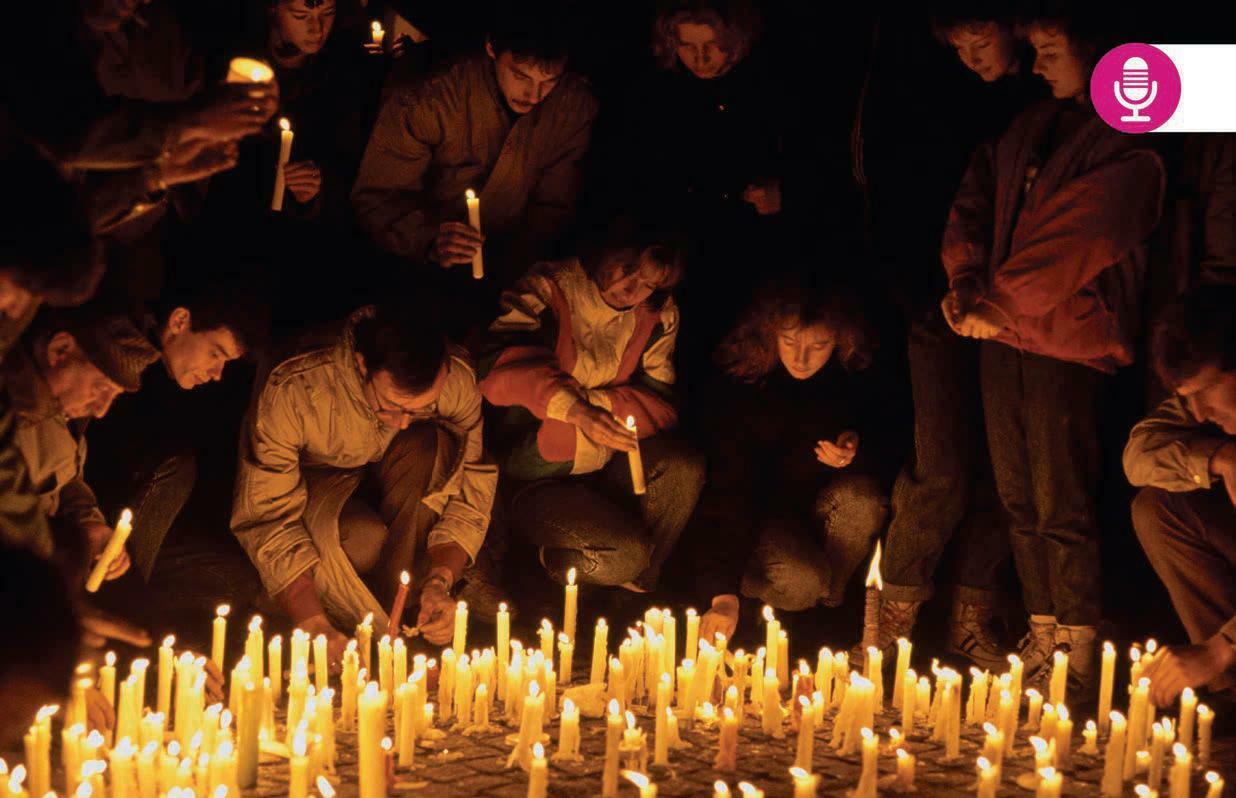 What makes a protest ultimately successful? Is it timing, tactics, leadership or something peculiar to a moment in history?

This story is from the Christmas 2025 edition of BBC History UK.
Subscribe to Magzter GOLD to access thousands of curated premium stories, and 10,000+ magazines and newspapers.
Already a subscriber? Sign In
MORE STORIES FROM BBC History UK

History Extra
Personal stories
Few shows have enjoyed the longevity of Who Do You Think You Are? and it's easy to understand why it has endured.

1 min
June 2026

History Extra
Tidal change
Southern mythos notwithstanding, there exists no static, exceptional American South.
1 mins
June 2026

History Extra
Marriage story
Emily Howes on her novel about Catherine Dickens' relationship with her famous husband
1 mins
June 2026
History Extra
Sexual her-story
A witty, wide-ranging account of the myths and power structures behind female sexuality impresses SARAH JONES
2 mins
June 2026
History Extra
History man
According to Tom Hanks, during his childhood 'The War' was a recurring topic in the conversations of the adults around him.
1 min
June 2026
History Extra
How to be a master of disguise
10 do's and don'ts when attending a masquerade
2 mins
June 2026
History Extra
Age of indulgence
Our content producer Charlotte Vosper picks episodes of the HistoryExtra podcast about Georgian Britain
1 min
June 2026
History Extra
Gaffer tape
While Bobby Robson and Gareth Southgate both led England to World Cup semi-finals, Alf Ramsey remains the only manager to actually win the trophy.
1 mins
June 2026

History Extra
What's the origin of the Fosbury Flop?
Like the Salchow in ice skating, the Fosbury Flop is a sport technique that immortalises the name of its creator.
1 min
June 2026

History Extra
EXHIBITIONS
In 1776, the United States of America was born - heralded by the Declaration of Independence.
1 min
June 2026
Listen
Translate
Change font size