
Go Unlimited with Magzter GOLD
Get unlimited access to 10,000+ magazines, newspapers and Premium stories for just
Try GOLD - Free
"A tidal wave of digital material will overwhelm recordkeeping institutions"
BBC History UK
|October 2025
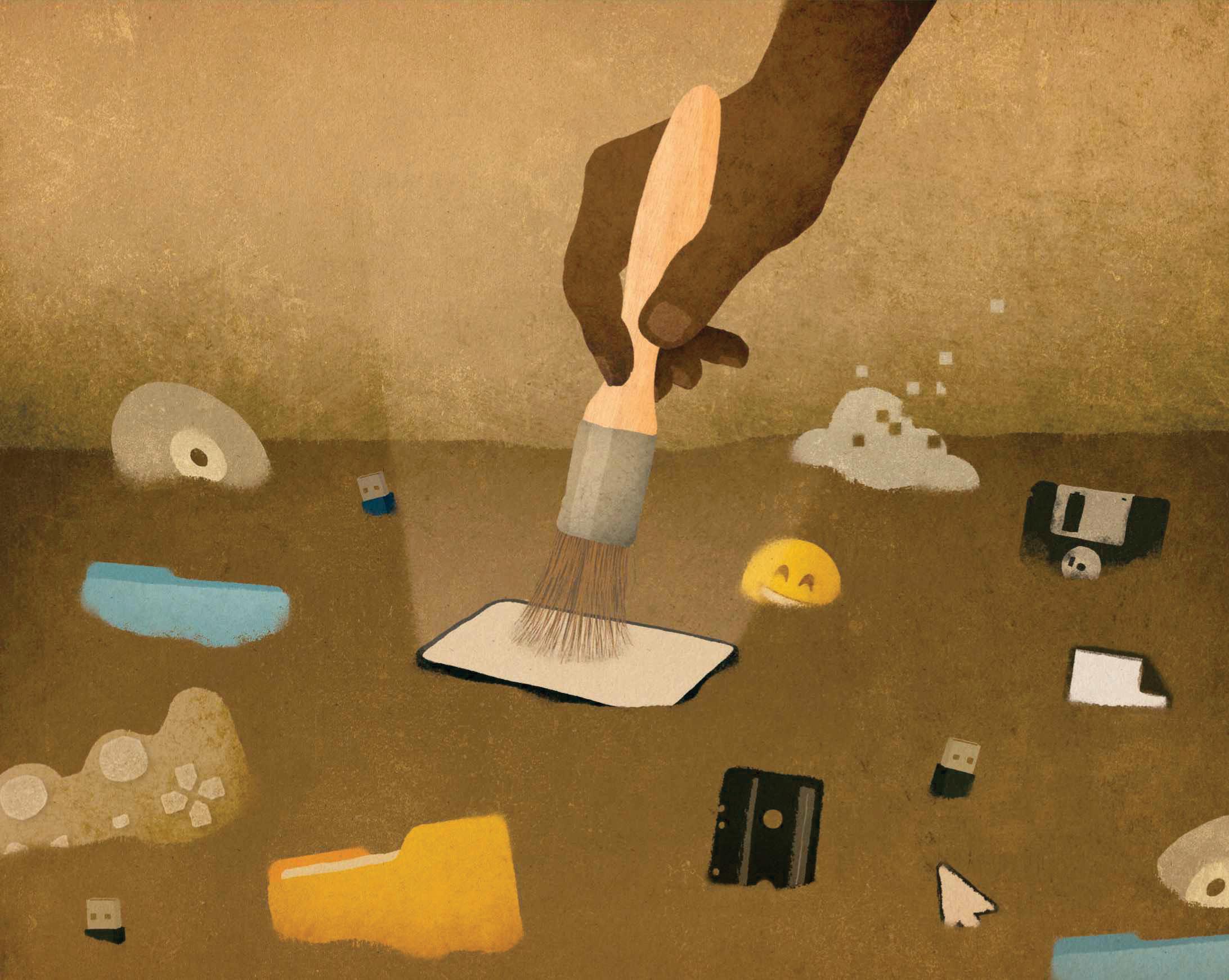
If you've ever posted a comment on social media, you've created a potential source for future historians. But what problems does this mass of new material pose? Matt Elton asked historians JANE WINTERS and JOHN WILLS about how recent archives differ from those of the past - and how experts might make sense of them
Matt Elton How do the kinds of records created now and in the recent past differ from those left in previous centuries?
Jane Winters Records and sources now come in a whole range of formats. In some cases, they are very familiar analogue sources that have become digital, whereas in others they are in a completely new format. Newspapers offer a great example of how this has changed: we used to read them only in physical form. Then those physical newspapers were digitised, keeping essentially the same structure.
We now have both physical and digital newspapers, which differ in both form and content. An issue of The Guardian published in print today will not contain the same information as the online version: there will also be multimedia material and lots of online comments and conversations, whereas in the past you would have had only letters to the editor, for instance.
And to take the example of people’s reflective writing, that’s a type of source that has also moved into new formats. A diary is not exactly the same as a blog entry or a post on social media, for instance.
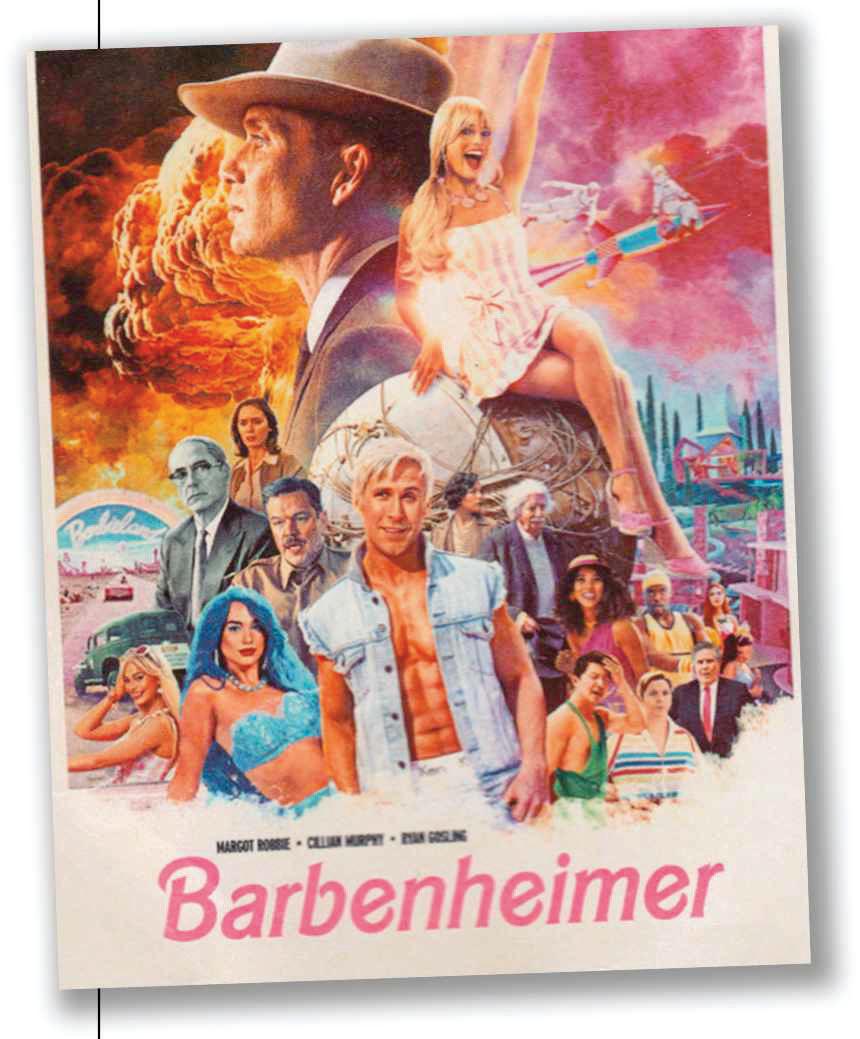 John Wills One example that offers an interesting way of thinking about some of these issues is the ‘Barbenheimer’ phenomenon - the point in 2023 when the movies Barbie and Oppenheimer were released at the same time. That’s a very recent instance of the kind of cultural moment that’s really interesting to research - but doing so is not easy, because you're dealing not just with the films themselves but also the digital content produced by the films’ fandoms, the actors’ response to that content, and the wider public responses to those two movies, in a way that we've never been able to do before.

This story is from the October 2025 edition of BBC History UK.
Subscribe to Magzter GOLD to access thousands of curated premium stories, and 10,000+ magazines and newspapers.
Already a subscriber? Sign In
MORE STORIES FROM BBC History UK

History Extra
Personal stories
Few shows have enjoyed the longevity of Who Do You Think You Are? and it's easy to understand why it has endured.

1 min
June 2026

History Extra
Tidal change
Southern mythos notwithstanding, there exists no static, exceptional American South.
1 mins
June 2026

History Extra
Marriage story
Emily Howes on her novel about Catherine Dickens' relationship with her famous husband
1 mins
June 2026
History Extra
Sexual her-story
A witty, wide-ranging account of the myths and power structures behind female sexuality impresses SARAH JONES
2 mins
June 2026

History Extra
History man
According to Tom Hanks, during his childhood 'The War' was a recurring topic in the conversations of the adults around him.
1 min
June 2026
History Extra
How to be a master of disguise
10 do's and don'ts when attending a masquerade
2 mins
June 2026

History Extra
Age of indulgence
Our content producer Charlotte Vosper picks episodes of the HistoryExtra podcast about Georgian Britain
1 min
June 2026

History Extra
Gaffer tape
While Bobby Robson and Gareth Southgate both led England to World Cup semi-finals, Alf Ramsey remains the only manager to actually win the trophy.
1 mins
June 2026

History Extra
What's the origin of the Fosbury Flop?
Like the Salchow in ice skating, the Fosbury Flop is a sport technique that immortalises the name of its creator.
1 min
June 2026

History Extra
EXHIBITIONS
In 1776, the United States of America was born - heralded by the Declaration of Independence.
1 min
June 2026
Listen
Translate
Change font size