Try GOLD - Free
SKIPPING CLASS
The New Yorker
|December 08, 2025
How a high-born rebel girl came to take up the cause of the commoner.
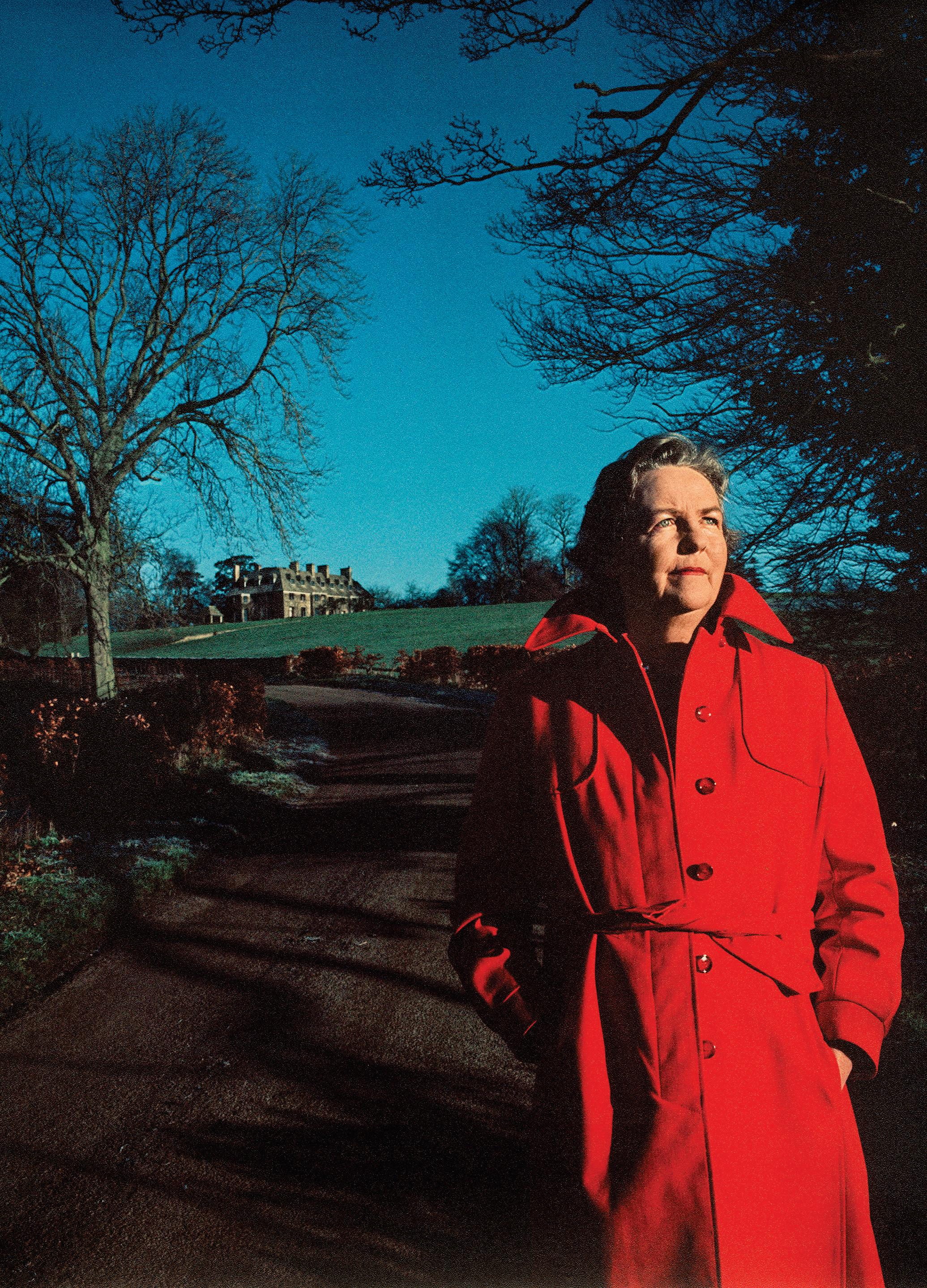
Growing up, I never had a sister, but I always wanted one—or many. Reading alone in my room, I imagined myself into tight-knit literary sororities: the Bennets, the Marches, the Dashwoods. These packs had their problems—petty squabbles, broken confidences, burnt hair—but I envied their intimacy and loyalty. It was the gang first, the world second. Beyond the precincts of fiction, of course, the world has a way of meddling with such bonds. There is perhaps no better example than the Mitford sisters, the six daughters of one of England’s most peculiar aristocratic families, whose radically divergent lives—two became fascists, one became a communist, one became a model aristocrat, one wrote novels skewering the bourgeoisie, and one retreated into cultivated solitude—have riveted the public for more than a century. I first learned about the family in college, when I encountered “Hons and Rebels,” a memoir by Jessica (Decca) Mitford, the second youngest of the group. Written in arch, inhalable prose, it begins as a story about the joy of having sisters and ends with the deep pain of losing them to irreconcilable differences. It was the first book that left me grateful to be my parents’ only daughter.
The Mitford sisters, born between 1904 and 1920, grew up in a cloistered environment that, had it not existed, would seem the stuff of fairy tales. Their father, David Freeman-Mitford, or Lord Redesdale, was a Conservative British peer who was an intermittently successful Army man before settling into his inherited land in the Cotswolds. His wife, Sydney Bowles, or Lady Redesdale, was the pampered daughter of the media baron Thomas Gibson Bowles, who, among other ventures, founded


This story is from the December 08, 2025 edition of The New Yorker.
Subscribe to Magzter GOLD to access thousands of curated premium stories, and 10,000+ magazines and newspapers.
Already a subscriber? Sign In
MORE STORIES FROM The New Yorker

The New Yorker
ROMAN HOLIDAY
Wolfgang Koeppen's sprawling masterpiece of postwar amnesia and hypocrisy.

13 mins
May 04, 2026

The New Yorker
THE TRICKSTER
Marcel Duchamp's belief in possibility radicalized art itself.
14 mins
May 04, 2026

The New Yorker
GROWTH NARRATIVE
The L.A. restaurant that weathered a moldy-jam scandal.
7 mins
May 04, 2026
The New Yorker
PROCESS OF ELIMINATION
Someone must have been telling lies about me because when I came in for my shift this morning, I found out I was going to be fired for stealing the tip jar.
25 mins
May 04, 2026
The New Yorker
AVA'S LIFE LIST
“I can't be sure. I don't want to cheat.”
3 mins
May 04, 2026

The New Yorker
ATTENTION MUST BE PAID
How Scott Rudin turned Laurie Metcalf into the First Lady of American Theatre.
28 mins
May 04, 2026

The New Yorker
SIGNED, SEALED, DELIVERED
What happens when someone throws a message into the sea?
23 mins
May 04, 2026

The New Yorker
BURNING MAN
Lee Zeldin's assault on the E.P.A.
24 mins
May 04, 2026

The New Yorker
BROTHERLY LOVE
\"Half Man,\" on HBO.
5 mins
May 04, 2026

The New Yorker
THE TALK OF THE TOWN
In the midst of a war, Donald Trump has started to get rid of his senior officials. The exact reasons are often left vague, and the successors to be determined, but people are leaving.
17 mins
May 04, 2026
Listen
Translate
Change font size