
Go Unlimited with Magzter GOLD
Get unlimited access to 10,000+ magazines, newspapers and Premium stories for just
Try GOLD - Free
LONG STORY
The New Yorker
|February 02, 2026
"Infinite Jest" turns thirty. Have we forgotten how to read it?
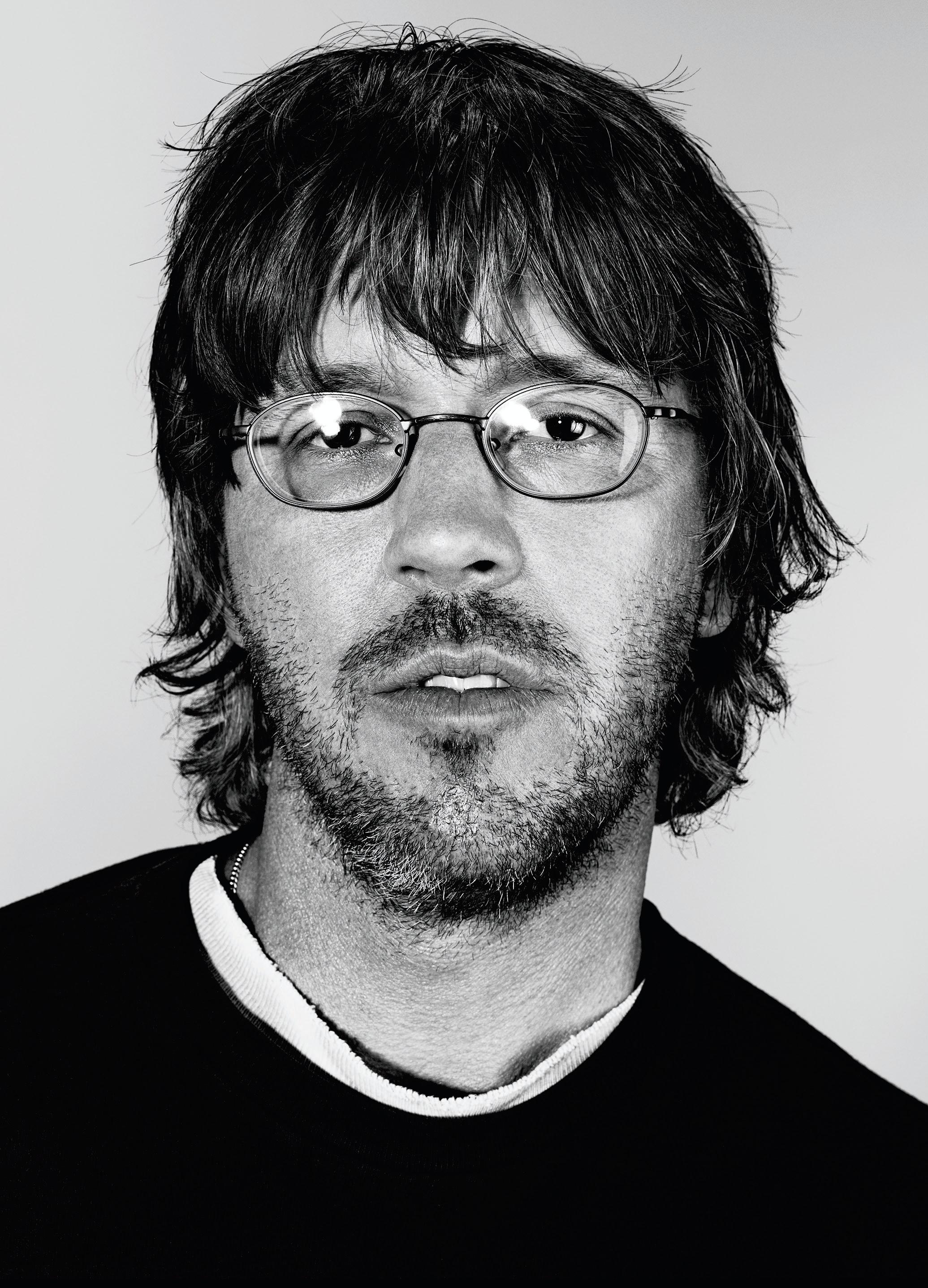
A few stanzas from the end of Chaucer's long poem “Troilus and Criseyde,” the author interrupts his story to indulge in a bit of reception anxiety. “Go, litel book,” he bids the manuscript that’s soon to be out of his hands. “That thou be understonde I god beseche!” Had Chaucer stuck around to witness the ensuing six hundred-plus years of literary discourse—and the past few decades in particular—he might have concluded that, when it comes to being understonde, the litel books aren't the ones you have to worry about. It’s the big ones that'll get you.
David Foster Wallace’s “Infinite Jest,” a book whose notorious bigness comprises both physical size and reputational heft, turns thirty in February. The occasion is a moment to ask how a novel that mourns addiction and venerates humility and patience became a glib cultural punch line—a byword for literary arrogance, a totem of masculine pretentiousness, a red flag if spotted on the shelves of a prospective partner, and reading matter routinely subjected to the word “per formative” in its most damning sense. At a thousand and seventy-nine pages, “Infinite Jest” has become a one-liner.
Last year, an article in the Guardian explored the risks of so-called performative reading under the title “Is it OK to read Infinite Jest in public?” For the


This story is from the February 02, 2026 edition of The New Yorker.
Subscribe to Magzter GOLD to access thousands of curated premium stories, and 10,000+ magazines and newspapers.
Already a subscriber? Sign In
MORE STORIES FROM The New Yorker
The New Yorker
BREAKING GROUND
A hundred years of Martha Graham.

7 mins
May 04, 2026

The New Yorker
MY BALENCIAGA HAN ONG
My mother and I were living on the Upper West Side in New York, with my aunt Fely, who was at work—she was the chief thoracic surgeon at Mount Sinai—when I heard that the film star Nora Aunor had passed.
29 mins
March 23, 2026

The New Yorker
BACK TO BASICS
Zac Posen's path from making ball gowns to remaking the Gap.
32 mins
March 23, 2026
The New Yorker
THE DOCTOR IS IN
What Egon Schiele saw at the hospital.
6 mins
March 23, 2026

The New Yorker
MICROBE AGGRESSION
\"Project Hail Mary.\"
6 mins
March 23, 2026
The New Yorker
THE PRICE OF INDEPENDENCE
Who bankrolled the American Revolution?
14 mins
March 23, 2026

The New Yorker
ALTER EGOS
Lisa Kudrow comes back to \"The Comeback.\"
27 mins
March 23, 2026
The New Yorker
RELATIVITY
\"You Got Older\" and \"What We Did Before Our Moth Days.\"
7 mins
March 23, 2026

The New Yorker
OODLES OF DOODLES
How so-called designer dogs have upended the purebred world.
26 mins
March 23, 2026
The New Yorker
LISTEN TO YOURSELVES
Adam Phillips's playful campaign against psychoanalytic orthodoxy.
10 mins
March 23, 2026
Listen
Translate
Change font size