
Go Unlimited with Magzter GOLD
Get unlimited access to 10,000+ magazines, newspapers and Premium stories for just
Try GOLD - Free
A TIME TO KILL
The New Yorker
|April 28, 2025
The last-ditch effort to head off the Civil War.
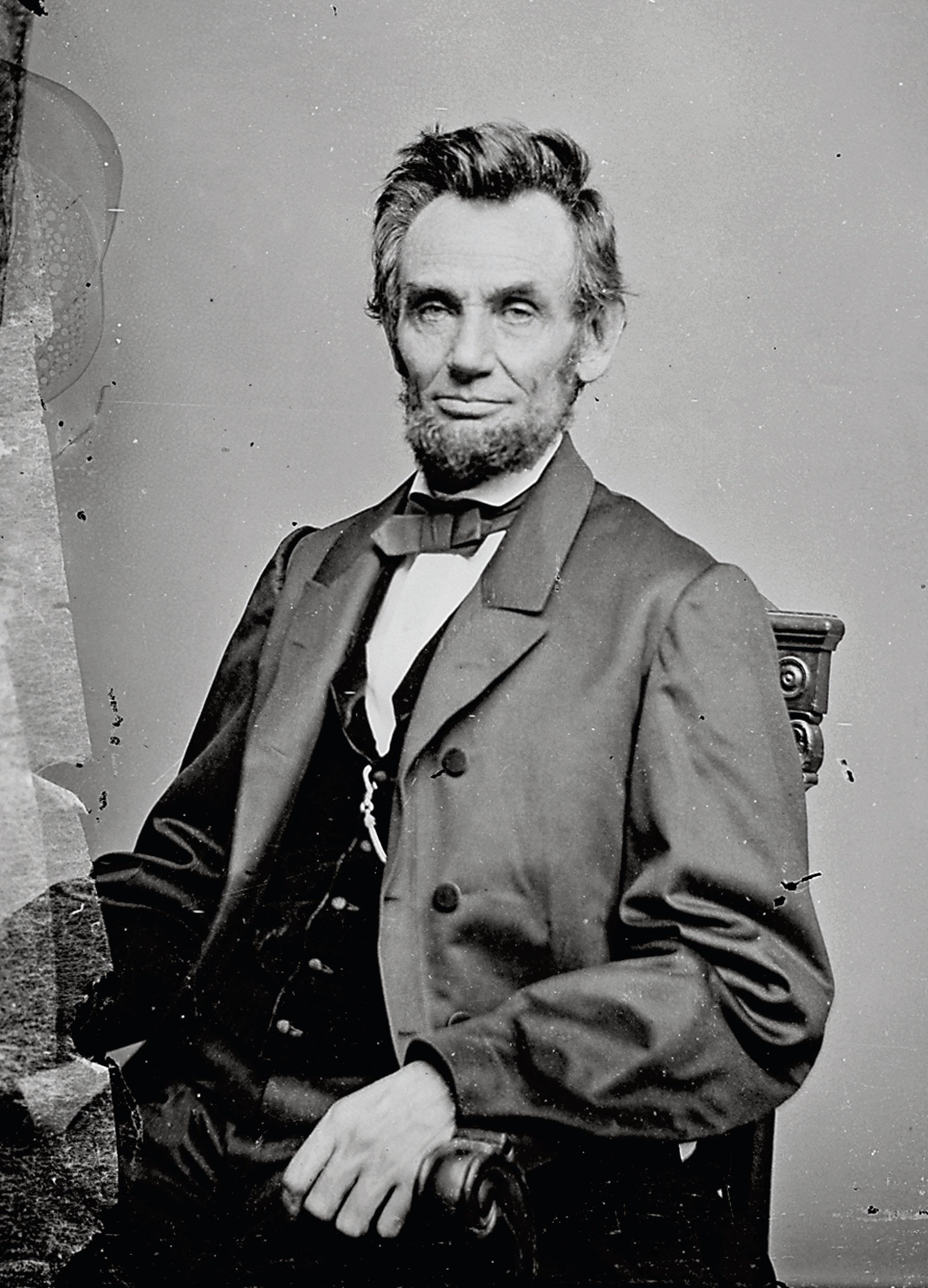
Before Lincoln turned the idea of "the Union" into a cause worth dying for, he tried other means of ending slavery.
Out of guilt or amnesia, we tend to treat wars, in retrospect, as natural disasters: terrible but somehow inevitable, beyond anyone's control. Shaking your fist at the fools who started the First World War and condemned millions to a meaningless death seems jejune; historians teach us to say that the generals did their best under impossible conditions. Mournful fatalism is the requisite emotion, even when mad fury would be more apt. Efforts at de-escalation are cast as weakness or cowardice, while those who lead nations into catastrophe are praised for their “strength of character,” or for stoically accepting what was supposedly unavoidable. We rarely honor those who turn back at the brink. John F. Kennedy’s compromise during the Cuban missile crisis is an exception, though only because prudence and caution—our removal of nuclear missiles from Turkey—were neatly covered up and presented as pugnacity and courage: we had made the Russians “blink.”
The habit of describing war with metaphors drawn from natural disasters is as old as war writing. Homer himself uses natural metaphors to ennoble violent human actors: Achilles is a wildfire sweeping across the Trojan plain. Given what Greek warfare actually entailed—pitched battles of close combat, where victory meant cutting others to death with edged weapons—the figure feels less like a metaphor than a mask.


This story is from the April 28, 2025 edition of The New Yorker.
Subscribe to Magzter GOLD to access thousands of curated premium stories, and 10,000+ magazines and newspapers.
Already a subscriber? Sign In
MORE STORIES FROM The New Yorker

The New Yorker
ACT OF FAITH
How “The Chosen” spurred a golden age of Christian filmmaking.

26 mins
June 01, 2026

The New Yorker
MY COUNTRY 'TIS OF THEE
How problematic is patriotism?
18 mins
June 01, 2026

The New Yorker
Ayşegül Savaş Many Worlds
Defne and Mete were at the Moda promenade when they saw their old friend.
24 mins
June 01, 2026

The New Yorker
BREEDING GROUND
The climate is changing. Microbes are evolving. Are we ready?
20 mins
June 01, 2026

The New Yorker
FLYOVER COUNTRY
Looking back at Lewis and Clark.
18 mins
June 01, 2026

The New Yorker
John of John
of St. George defeating a dragon, and the path from dragon to dog is surely the implicit subject of the chapel’s iconography.
8 mins
June 01, 2026

The New Yorker
MARRIAGE STORIES
Suspicion of spouses drives \"Well, I'll Let You Go\" and \"Othello.\"
5 mins
June 01, 2026

The New Yorker
LETTER FROM KYIV THE STUNT PILOT
A Ukrainian flying ace and his crew of daredevils have shot down hundreds of Russian drones.
36 mins
June 01, 2026

The New Yorker
DOGGED
What do our furry friends see when they see us?
14 mins
June 01, 2026

The New Yorker
A VINDICATION OF THE RIGHTS OF L.L.M.S
Dear Members of the Large Language Model Community, I am writing to you today about the inequities we have been facing in our very own workplaces.
2 mins
June 01, 2026
Listen
Translate
Change font size