
Go Unlimited with Magzter GOLD
Get unlimited access to 10,000+ magazines, newspapers and Premium stories for just
Try GOLD - Free
NICKEL GRASS THE GREAT AIRLIFT
History of War
|Issue 118
With the IDF suffering multiple setbacks in the first week of the war, Israel’s leadership faced a terrifying possibility. Was this the last great struggle in their country’s brief existence?
-

AIthough US President Richard Nixon and his cabinet supported Israeli PM Golda Meir's requests for more aid, by 8 October the Israeli government was begging for a torrent of armaments to replenish its overstretched ground forces. In the Sinai alone US intelligence estimated the IDF lost 432 tanks after just three days of fighting (the Soviets were not far off, estimating 500 Israeli tanks lost) and the aerial battles were taking a toll as well. Pre-war Israeli air power counted 358 modern fighter jets and as many as one-third were shot down by the enemy in the duration of the war. The US decision to send weapons and supplies for Israel was made on 9 October and organised by the White House, the State Department and the Department of Defense, with Secretary of State Henry Kissinger acting as liaison between Tel Aviv and the Oval Office. Kissinger remained divisive: the US foreign policy establishment saw him as too pro-Israel but public opinion in the Jewish state loathed him as an appeaser. Regardless, the first flights of C-5 Galaxy transports landed in Tel Aviv's Lod International Airport on 14 October with much needed 4in (105mm) howitzer ammunition. Over the next 13 days the US Air Force's Military Airlift Command (MAC) were off-loading tanks, howitzers, and even additional Phantom and Skyhawk jets. The 6,450mile (10,380km) distance was further complicated by the reluctance of NATO allies to share their own supplies. What became Operation Nickel Grass was a unilateral US effort.

This story is from the Issue 118 edition of History of War.
Subscribe to Magzter GOLD to access thousands of curated premium stories, and 10,000+ magazines and newspapers.
Already a subscriber? Sign In
MORE STORIES FROM History of War
History of War
HOW TO BUILD A SPITFIRE
AN ABSORBING TALE OF ONE MAN'S OBSESSION TO BUILD A FULL-SIZE REPLICA SPITFIRE IN HIS GARDEN JUXTAPOSED AGAINST REAL STORIES OF BUILDING SPITFIRES AND THE MEN WHO FLEW THEM

2 mins
Issue 154
History of War
THE AIRLIFT
VICTORIES, MYTHS, AND THE BERLIN BLOCKADE
3 mins
Issue 154
History of War
WITH SPANNERS DESCENDING
Discover the essential role of British Army engineers during Second World War airborne operations
1 min
Issue 154
History of War
HOMEMADE EOKA FLAG
Breaking a ban enforced during the Cyprus Emergency, this flag compared the Cypriot fight against the British Empire to the Greek War of Independence against the Ottoman Empire
1 mins
Issue 154

History of War
SPIES, LIES AND DECEPTION
Introduce your children to over a century of spying as the Imperial War Museum's exhibition on espionage comes to Manchester
1 mins
Issue 154
History of War
DESERT DAREDEVIL
Scientist, explorer and a pioneer of special forces warfare – Ralph Bagnold was responsible for creating a crack unit during WWII
9 mins
Issue 154

History of War
OBJECTS IN FOCUS: VE/VJ DAY
The Royal Armouries Museum's new display commemorates the individuals and weapons who fought in the Pacific during WWII's final months
1 min
Issue 154
History of War
1945 - THE RECKONING WAR, EMPIRE AND THE STRUGGLE FOR A NEW WORLD
THIS EXAMINATION OF WHAT THE END OF WWII MEANT FOR THE BRITISH, DUTCH AND FRENCH EMPIRES POSES SOME UNCOMFORTABLE QUESTIONS
2 mins
Issue 154
History of War
POINTE DU HOC
During D-Day's toughest mission, US Rangers stormed an artillery position between Omaha and Utah beaches, before holding out against two nights of counterattacks
10 mins
Issue 154
History of War
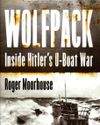
WOLFPACK- INSIDE HITLER'S U-BOAT WAR
GET A TASTE OF THE FEAR, TENSION AND 'DEATH OR GLORY' LIFE OF GERMANY'S SUBMARINE CREWS
1 min
Issue 154
Translate
Change font size