
Go Unlimited with Magzter GOLD
Get unlimited access to 10,000+ magazines, newspapers and Premium stories for just
Try GOLD - Free
Mumtaz Mahal
All About History UK
|Issue 156
Who was the empress that inspired India's most iconic landmark?
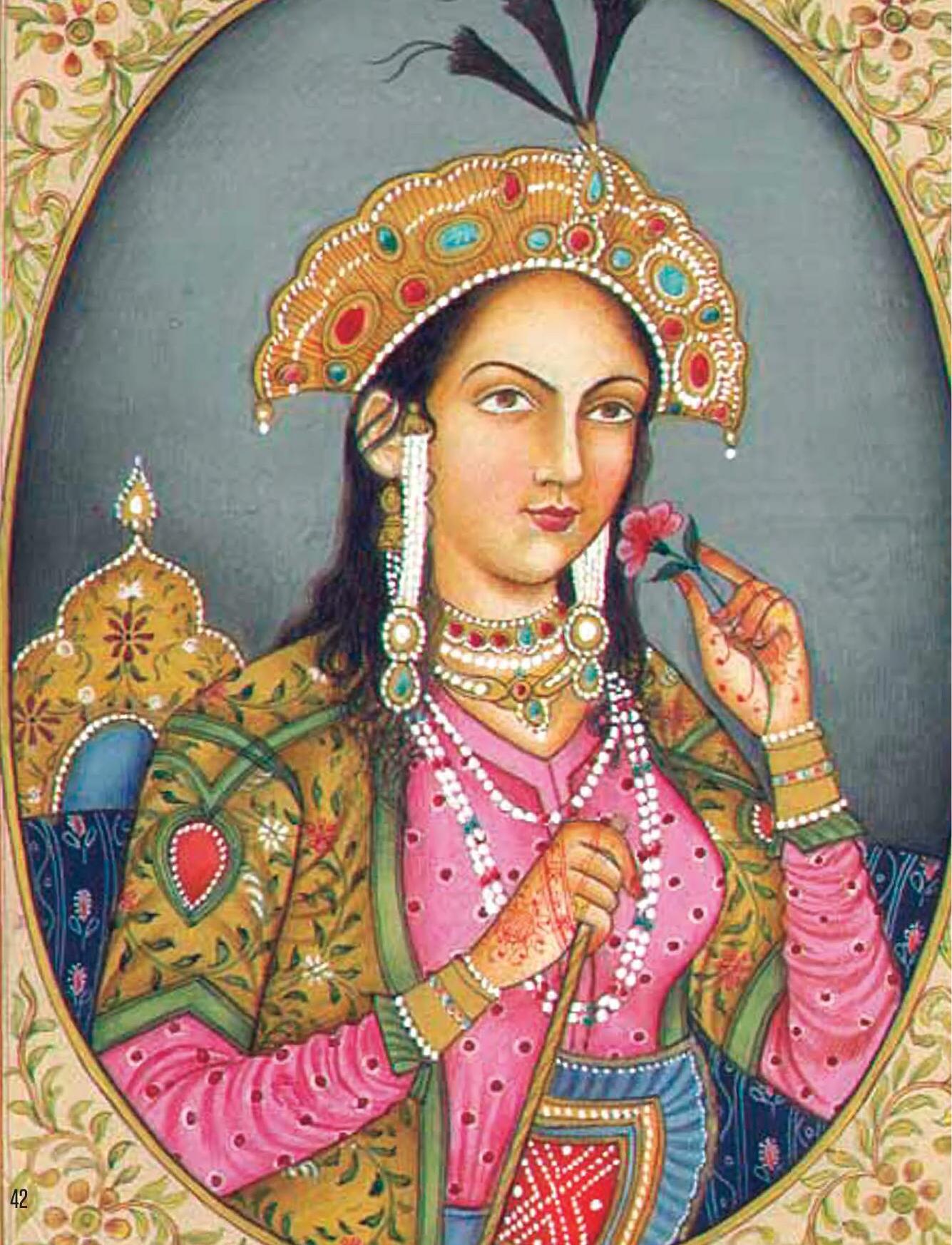
On the banks of the Yamuna River in the Indian city of Agra stands one of the world's most famous buildings. The white marble mausoleum of the Taj Mahal is visited by around eight million people every year, keen to see its beauty and grandeur for themselves. But how much do people really know about the powerful and devoted woman for whom the magnificent mausoleum was built?
Born in Agra in April 1593, Mumtaz Mahal was given the name Arjumand Banu Begum upon birth - the name she is better-known by was given to her much later in her life. Her father, Abu'l-Hasan Asaf Khan, was a wealthy Persian nobleman who occupied an important station within India's Mughal Empire (he would later become the chief minister). Her aunt - her father's sister - was Nur Jahan, who would become the favoured wife and powerful consort of Mughal Emperor Jahangir in 1620. Her grandfather was also an important figure in Mughal history, having been appointed grand vizier of the empire during the reign of Akbar the Great, who ruled over the Mughal Empire from 1556 to 1605.
As a member of such a well-connected and powerful family, young Mumtaz inevitably found herself in the company of India's most influential people. But little else is known about her childhood, and it was not until she was 14 years old that she first appeared with any significance in the historical records.
An imperial love story

This story is from the Issue 156 edition of All About History UK.
Subscribe to Magzter GOLD to access thousands of curated premium stories, and 10,000+ magazines and newspapers.
Already a subscriber? Sign In
MORE STORIES FROM All About History UK

All About History UK
HOT FUDGE SUNDAE
USA, 19-20TH CENTURY

1 mins
Issue 169

All About History UK
HISTORY OF THE WORLD CUP
Football writer Jonathan Wilson explains why the tournament has always been a reflection of its time
10 mins
Issue 169
All About History UK
THE MAKING OF THE MIDDLE AGES AN ATLAS OF EUROPE
Explore the medieval world with this guide
1 min
Issue 169
All About History UK
PROPHECIES OMENS, AUGURIES, DIVINATION, ORACLES, DREAMS, APOCALYPSE
How humanity tries to predict the future
1 min
Issue 169

All About History UK
MICHAEL JACKSON: AN AMERICAN TRAGEDY
A by-the-book examination of the rise and fall of the King of Pop
2 mins
Issue 169
All About History UK
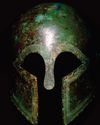
LECHAEUM
In 391 BCE (or 390 BCE, sources differ) during the Corinthian War (395-387 BCE), a force of lightly armed and armoured peltasts under the command of the Athenian Iphicrates faced almost 600 Spartan hoplites at Lechaeum, near Corinth.
11 mins
Issue 169

All About History UK
AGE of ALCHEMY
How occult ritual and a thirst for gold paved the way for modern chemistry
12 mins
Issue 169

All About History UK
THE QUEEN'S CLOTHES
An exhibition at Buckingham Palace explores Elizabeth II's life in fashion
2 mins
Issue 169

All About History UK
WHAT IF...9/11 HAD BEEN FOILED?
It was a day that shook the world. But what would preventing the attack mean for the 'War on Terror'?
6 mins
Issue 169
All About History UK
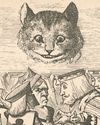
CURIOUS CATS AND FANTASTICAL FELINES
An entertaining jaunt through furry folklore
2 mins
Issue 169
Listen
Translate
Change font size