
Go Unlimited with Magzter GOLD
Get unlimited access to 10,000+ magazines, newspapers and Premium stories for just
Try GOLD - Free
From Flax to Fashion: The Complete Story of Organic Linen Apparel Production
Textile Value Chain
|December 2025
The textile industry is experiencing a quiet revolution, and organic linen is leading the charge. With the global linen clothing market expected to reach $533.7 million in 2025 and projected to reach $737.56 million by 2033 [1], this ancient fabric is enjoying a modern renaissance. But what exactly makes organic linen special, and how does it transform from a humble plant into the crisp, breathable clothing we love?
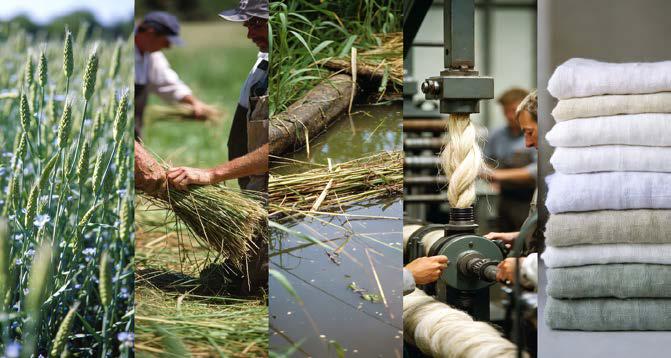
Organic linen comes from the flax plant (Linum usitatissimum), grown without synthetic pesticides, fertilisers, or genetically modified organisms. While conventional linen already has strong environmental credentials, organic linen takes sustainability to the next level.
It's incredibly rare. In 2023, around 400,000 tonnes [4] of linen fibre were produced worldwide, but less than 1% was grown organically—making certified organic linen one of the rarest fibres available, with annual global production under 4,000 tonnes.
Organic linen falls into the category of sustainable natural fibres, competing with organic cotton, hemp, and bamboo. The global organic linen market is expected to reach $2.5 billion by 2033, growing at a 6.8% CAGR [2]. This growth reflects consumer demand for breathable, durable fabrics that align with slow fashion principles.
The Production Journey: Field to Fabric
Growing the Flax (90-100 Days)
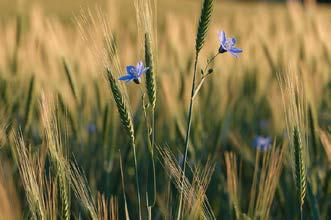
The journey begins in Western Europe—specifically Belgium, France, and the Netherlands—where 80-85% of the world's flax is cultivated. These regions offer the perfect combination of silty soil and oceanic climate. Flax is sown between mid-March and mid-April and requires just 600mm of water over its 90-100-day growing period—all provided by rain and dew. No irrigation needed. During growth, flax captures approximately 250,000 tons [3] of CO2 annually in Europe alone. In June, fields transform into stunning blue seas as the flax blooms.
 Harvesting (The Pulling Method)

This story is from the December 2025 edition of Textile Value Chain.
Subscribe to Magzter GOLD to access thousands of curated premium stories, and 10,000+ magazines and newspapers.
Already a subscriber? Sign In
MORE STORIES FROM Textile Value Chain

Textile Value Chain
The New Age of Men's Tailoring: From Bespoke to Hybrid Models
Part 1 of the Series: The Evolving World of Men's Tailored Wear

4 mins
January 2026

Textile Value Chain
The Textile Landscape of 2025: A Year of Transformation
Navigating Policy Reforms, Trade Agreements, and Global Events
5 mins
January 2026
Textile Value Chain
Recycled Fibres vs Virgin Fibres: The Real Cost, Footprint & Business Opportunity
For decades, the textile industry asked only one question when choosing raw material:
3 mins
January 2026

Textile Value Chain
2025 in Perspective: A Stronger, Cleaner, Smarter Future for Textiles
The year 2025 reminded the textile and apparel sector that resilience now matters more than pace.
5 mins
January 2026
Textile Value Chain
Heimtextil as a Working lab for Sutlej and its Customers
When the global home textiles industry gathers in Frankfurt this January, Sutlej Textiles is approaching Heimtextil with a clear intent: to treat the fair less as a product parade and more as a live development lab with its buyers and partners.
4 mins
January 2026

Textile Value Chain
Weaving Heritage into Future: A Conversation with Ms Roop Rashi Mahapatra
In an era where fast fashion dominates the global textile landscape, Khadi stands as a timeless symbol of India's heritage, sustainability, and self-reliance.
11 mins
January 2026

Textile Value Chain
Home Textiles: Ever-growing Market to Evergreen Product Source
Indian Home textiles have always enjoyed a special market position, and demand continues to increase, capturing a premium to the budgeted market across different markets, but with one constant hunger for extraordinary design, a super comfortable feel, and the appeal of sophistication, along with changing market dynamics.
4 mins
January 2026

Textile Value Chain
The Velvet Revolution: How This Timeless Fabric is Redefining Modern Textiles
When you run your hand across velvet, something happens.
3 mins
January 2026

Textile Value Chain
SPGPrints Achieves Landmark Success at ITMA ASIA 2025 With Transformative Textile Printing Technology and Key Order Closures
SPGPrints, the global leader in innovative textile printing solutions, announced an overwhelmingly successful participation in ITMA ASIA 2025 at the Singapore Expo.
2 mins
January 2026
Textile Value Chain
Development of Home Textile Products from Post-Consumer Textile Waste
With the growing concern over textile waste and its environmental impact, sustainable approaches for fabric reuse are urgently needed.
5 mins
January 2026
Listen
Translate
Change font size