Try GOLD - Free
'I still find myself advocating for a type of practice that is inherently unresolvable.'
Issue 259 - May 2026
|Frieze
Ahead of his Venice Biennale presentation, Abbas Akhavan reflects on censorship, national representation and the refusal to perform identity.
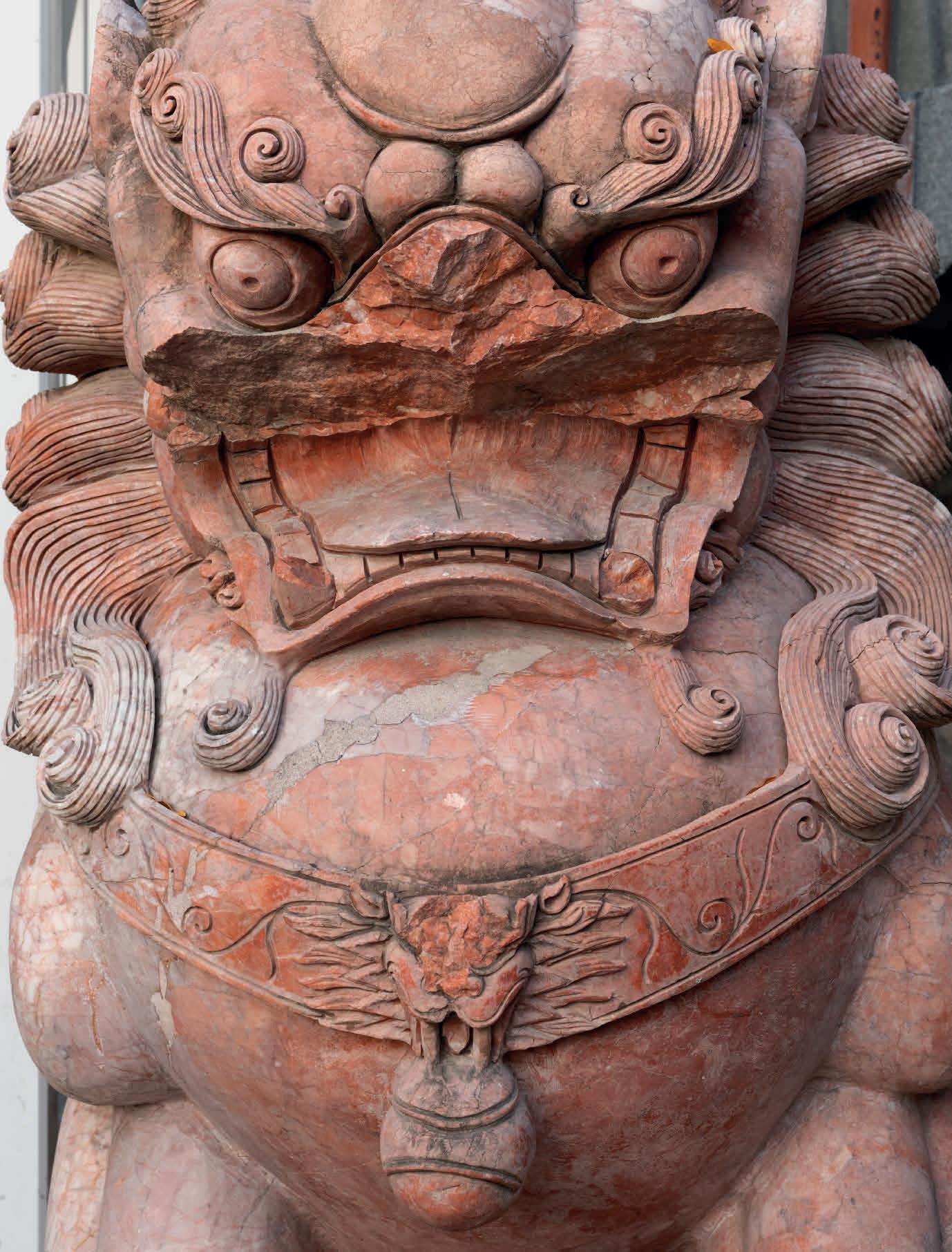
This conversation between curator Aram Moshayedi and artist Abbas Akhavan took place in the immediate aftermath of military strikes on Iran – an event that inevitably shapes the tenor of their exchange.
While the discussion turns to Akhavan’s upcoming projects, including his Venice Biennale presentation at the Canada Pavilion (commissioned by the National Gallery of Canada) and an upcoming survey at the Walker Art Center in Minneapolis, it also reflects on the uneasy expectations placed on artists in moments of political crisis. Moving between questions of diasporic distance, cultural representation and the limits of artistic agency, Akhavan speaks candidly about the pressures to perform identity – and the possibility that withholding, rather than declaration, can itself be a position.
ARAM MOSHAYEDI I’m having a hard time wrapping my head around how to begin in light of the last few days in Iran. How to address the situation there obviously weighs upon me, but I also feel as outsiders we don’t have much authority on the subject. The tenor of this conversation would be so different if we'd spoken last week. While the focus is still you and your work, I want to ask before we begin: how do we deal with this military attack on Iran from your perspective as an Iranian Canadian artist?
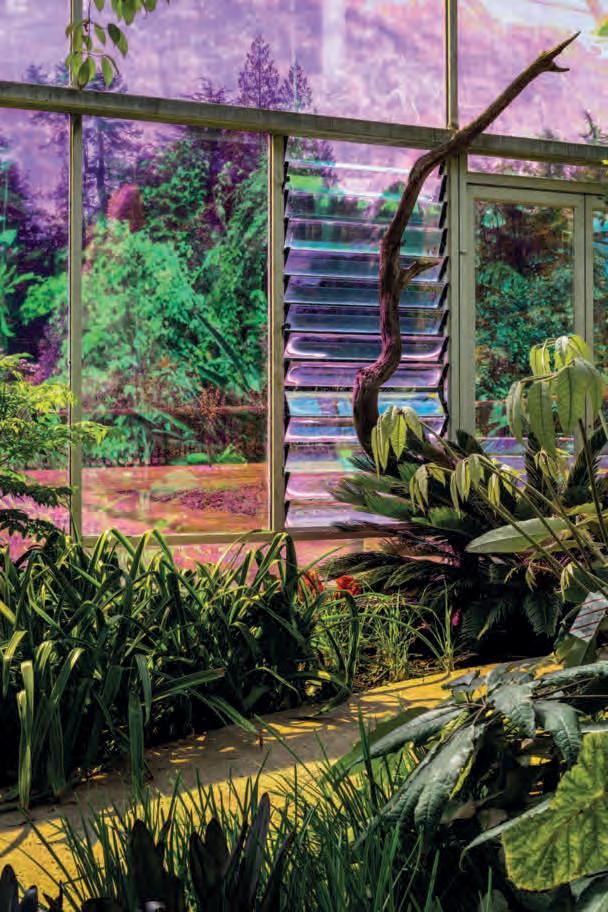 ABBAS AKHAVAN I currently live in Berlin. As I was walking home to get to this call, I was amazed at how everyone is going about their day as if nothing grave has happened. They’re just living their lives. And I thought: Oh yes, so am I. It’s as if it’s just another day, when obviously it isn’t. As of now, there hasn’t been time to reflect on what any of this means. Having said that, I feel like we’re still in the extended version of the ‘shock and awe’ strategy the US military used in Iraq in 2003. It is horrendous.

This story is from the Issue 259 - May 2026 edition of Frieze.
Subscribe to Magzter GOLD to access thousands of curated premium stories, and 10,000+ magazines and newspapers.
Already a subscriber? Sign In
MORE STORIES FROM Frieze
Frieze
Short-Circuiting Spectacle
with Ei Arakawa-Nash, Florentina Holzinger, Dries Verhoeven and Miet Warlop

11 mins
Issue 259 - May 2026
Frieze
Whitney Biennial 2026
Whitney Museum of American Art, New York, USA
5 mins
Issue 259 - May 2026
Frieze
Giangiacomo Rossetti
Mendes Wood DM, Paris, France
2 mins
Issue 259 - May 2026
Frieze
Isaac Julien
Victoria Miro, London, UK
2 mins
Issue 259 - May 2026
Frieze
Disobedience Archive
Migros Museum für Gegenwartskunst Zurich, Switzerland
3 mins
Issue 259 - May 2026
Frieze
Amanda Ross-Ho
Leroy's, Los Angeles, USA
2 mins
Issue 259 - May 2026
Frieze
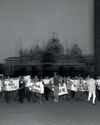
THE LION AND THE PAVILION
Essay: Critic Matthew Holman analyzes the histories of protest at the Venice Biennale – and what they can tell us about contemporary geopolitics in art
10 mins
Issue 259 - May 2026
Frieze
Marie Zolamian
WIELS, Brussels, Belgium
2 mins
Issue 259 - May 2026
Frieze
OM production
Museum of Contemporary Art Metelkova, Ljubljana, Slovenia
3 mins
Issue 259 - May 2026
Frieze
Bahar Noorizadeh
Sitting in the dimly lit study room of Cooper Gallery in Dundee, I read a small but significant footnote in Bahar Noorizadeh’s 2023 PhD thesis, made available here as a printed essay: ‘Art mediates and is mediated by capital speculation, yet the potential for emancipation remains in the status of this double mediation.’
2 mins
Issue 259 - May 2026
Listen
Translate
Change font size