Try GOLD - Free
ARE YOU ALLERGIC TO YOUR HOME?
Family Handyman
|June 2022
Dust blows from flowering plants, trees and grasses, sending tiny pollen seeds directly into your nose and eyes. This is allergy seasona time when you and some 50 million other American allergy sufferers stay inside, hoping to avoid an allergic reaction to pollen, for weeks or maybe months at a time. Problem is, sources of your discomfort can be indoors too, causing coughing, sneezing, itchy eyes and more.

Pollen, whether from grasses or flowering trees, is the most convenient scapegoat for allergy sufferers whose immune systems react to the airborne dust. But indoor dust with a high presence of dust mites is equally to blame. And it can cause problems for people with asthma too.
In guidelines for those with asthma and allergies, the National Institutes of Health (NIH) recommends multiple strategies to reduce allergens, such as using pillow and mattress covers that prevent dust mites from passing through and using high-efficiency particulate air (HEPA) filtration vacuum cleaners.
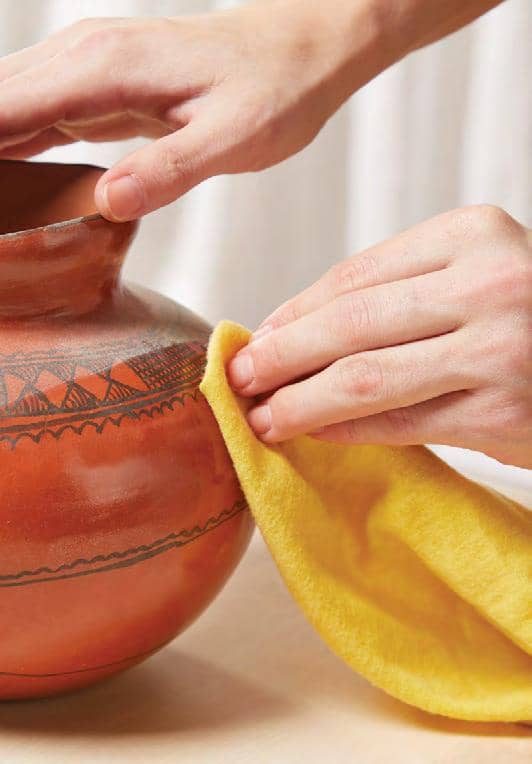
Dust mites-microscopic arthropods can be anywhere and everywhere. With the exception of Antarctica, every continent reports dust mites. And here's the scary part: According to the Asthma and Allergy Foundation of America (aafa.org) website, dust mites "feed mainly on the tiny flakes of human skin that people shed each day. These flakes work their way deep into the inner layers of furniture, carpets, bedding and even stuffed toys. An average adult person may shed up to 1.5 grams of skin in a day. This is enough to feed one milon dust mites!"
Beyond simply sharing the creepy truth about dust mites, the AAFA certifies several indoor household items as Asthma and Allergy Friendly. Many product manufacturers make marketing claims about "hypoallergenic" or "allergy-friendly" products, but no federal standard or regulation governs the use of those terms. The Asthma and Allergy Friendly Certification Program is a partnership between the Asthma and Allergy Foundation of America and Allergy Standards Limited (ASL). Together these groups test products and will certify those they deem can "improve the air quality and health of homes."

This story is from the June 2022 edition of Family Handyman.
Subscribe to Magzter GOLD to access thousands of curated premium stories, and 10,000+ magazines and newspapers.
Already a subscriber? Sign In
MORE STORIES FROM Family Handyman

Family Handyman
DIY Ring Toss
A simple build that blends basic woodworking with classic family fun

2 mins
April / May 2026
Family Handyman
Classic Backyard Game
Easily make your own version of this tailgating and party favorite with just a couple of tools
1 mins
April / May 2026
Family Handyman
Backyard Fireplace
It's surprisingly easy to build-and portable too
3 mins
April / May 2026

Family Handyman
Handy Hints
Try these clever low-effort tricks to make life outside easier—from the garden to the grill
1 mins
April / May 2026
Family Handyman
Smarter Spring Cleaning
From unexpected messes to everyday chores, master home care like a pro with these expert tips and tricks
4 mins
April / May 2026
Family Handyman
Patch Work
Struggling with drywall repairs or installation? Here's how to get smooth results with fewer hassles.
3 mins
April / May 2026

Family Handyman
Mini Dream Home from Scratch
A Family Handyman reader infused Victorian details into a stunning handcrafted playhouse
1 min
April / May 2026

Family Handyman
Tile-Top Coffee Table
Flex your tiling skills with a mixed-material project that brings a pop of color to your home
7 mins
April / May 2026
Family Handyman
Install Ikea Cabinets
Doing the job yourself is easier than you might think-and it can save you thousands
6 mins
April / May 2026
Family Handyman
Master Mulch
Put an extra layer on your garden to retain water, stop erosion and insulate plant roots. Here are some of the most common materials—choose the one with the biggest benefits for your yard.
1 min
April / May 2026
Translate
Change font size