Poging GOUD - Vrij
The Universe without gravity
BBC Sky at Night Magazine
|February 2025
Life with no gravity might sound a fun idea, but as Govert Schilling explains, shutting off this pivotalforce would spell disaster for Earth and beyond
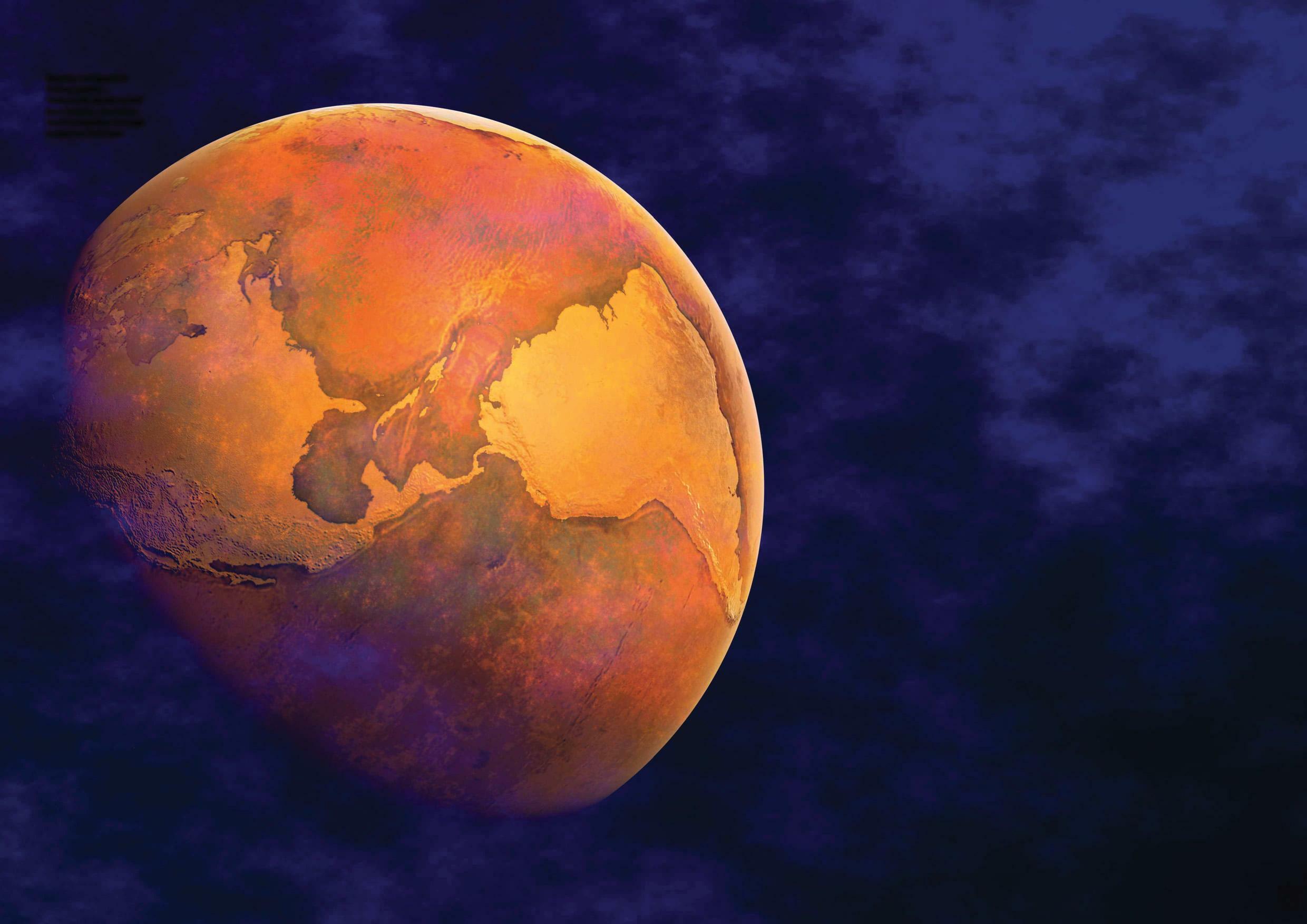
Gravity is a nuisance, don't you think? The gravity of our home planet makes it hard to climb a mountain. It can cause a broken leg if you fall down the stairs. It makes you very much aware of your body mass. And it's the main reason why pigs – or people – don't fly.
Wouldn't it be great to experience no gravity? To effortlessly float around in any direction you wish, like astronauts on board the International Space Station? You wouldn't need stairs anymore, or elevators, for that matter. Then again, as every astronaut can tell you, drinking a cup of coffee would become quite a challenge.
But it's an interesting thought experiment. What would the world, and indeed the Universe, look like if there were no gravity, if we could shut it off completely, or if it had never existed at all?
For one, life on our planet would have been completely different. In a world with no gravity, there's no need for the evolution of wings. Legs aren't really necessary either. And animals could be much larger than blue whales or dinosaurs, as weight no longer puts constraints on body size.
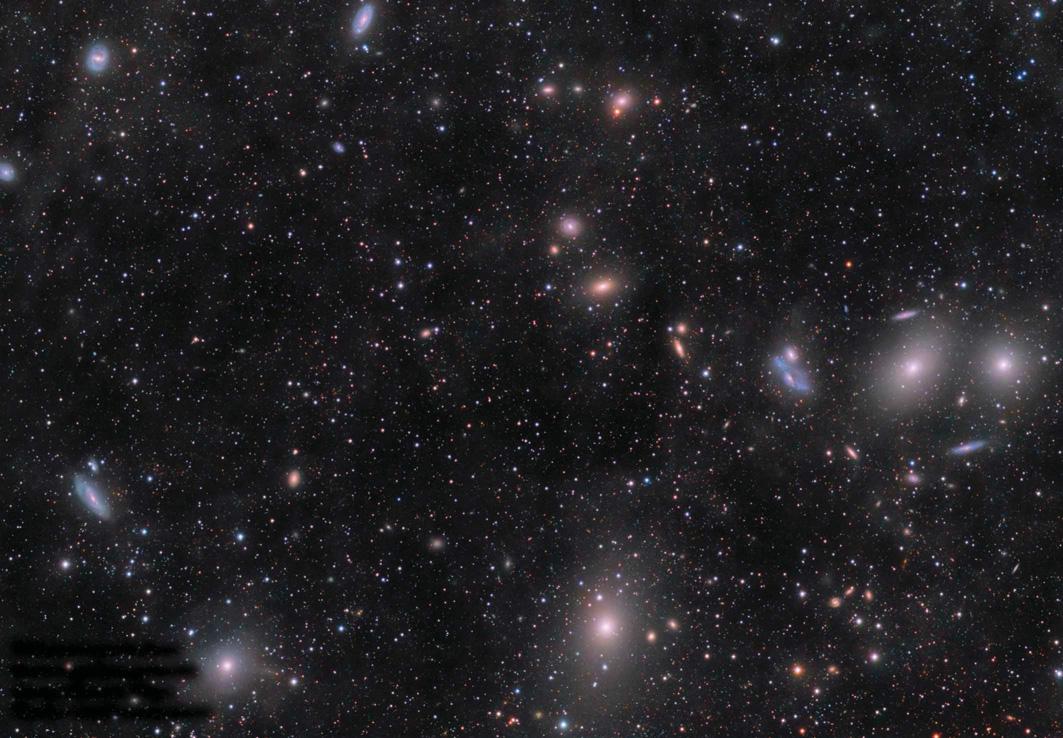 But wait a moment. Life would have a very difficult time existing in the first place, as Earth would have no atmosphere. Only through gravity is our planet capable of retaining that thin layer of breathable gases. Without gravity, the atmosphere – and the oceans, for that matter – would escape into space, and the third rock from the Sun would be as barren as low-mass worlds like the Moon and Mercury.

Dit verhaal komt uit de February 2025-editie van BBC Sky at Night Magazine.
Abonneer u op Magzter GOLD voor toegang tot duizenden zorgvuldig samengestelde premiumverhalen en meer dan 9000 tijdschriften en kranten.
Bent u al abonnee? Aanmelden
MEER VERHALEN VAN BBC Sky at Night Magazine

BBC Sky at Night Magazine
Capture NLCs with a smartphone
Make this the summer that you nail a shot of beautiful night-shining clouds

3 mins
July 2026
BBC Sky at Night Magazine
ZWO Seestar S30 Pro smart telescope
ZWO Seestar S30 Pro smart telescope
4 mins
July 2026
BBC Sky at Night Magazine
The speed of light
The Universe has a speed limit - and it underpins everything we know about it. We explain the speed of light and its far-reaching implications for astronomy
2 mins
July 2026
BBC Sky at Night Magazine
COMETS AND ASTEROIDS
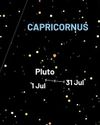
Can you spot dim, barely moving Pluto?
1 min
July 2026
BBC Sky at Night Magazine
THE SKY GUIDE CHALLENGE
What's the youngest Moon you can photograph? Try our ‘impossible’ challenge
2 mins
July 2026
BBC Sky at Night Magazine
Q&A WITH A SCIENCE COMMUNICATOR
As we find more planets in the habitable zones around other suns, we ask Neil deGrasse Tyson what would happen if we did meet intelligent alien life
3 mins
July 2026
BBC Sky at Night Magazine
Make an all-sky camera
How to set up an always-watching system to catch fleeting sky events
3 mins
July 2026
BBC Sky at Night Magazine
The Universe doesn't need a multiverse
The Universe doesn't need a multiverse The idea that there are many universes seems to solve our most stubborn cosmic mysteries. But, argues Brian Clegg, it's no substitute for hard evidence
2 mins
July 2026
BBC Sky at Night Magazine
Planets of mystery
Uranus and Neptune – visited just once, 40 years ago – are the least-known planets in our Solar System. Now 21st-century science has revealed they may not even be the ‘ice giants’ we thought. Joseph Phelan investigates
6 mins
July 2026
BBC Sky at Night Magazine
THE BIG THREE
The top sights to observe or image this month
4 mins
July 2026
Listen
Translate
Change font size