Poging GOUD - Vrij
SKILLS FOR STARGAZERS
BBC Sky at Night Magazine
|December 2025
Take great photos of the Milky Way
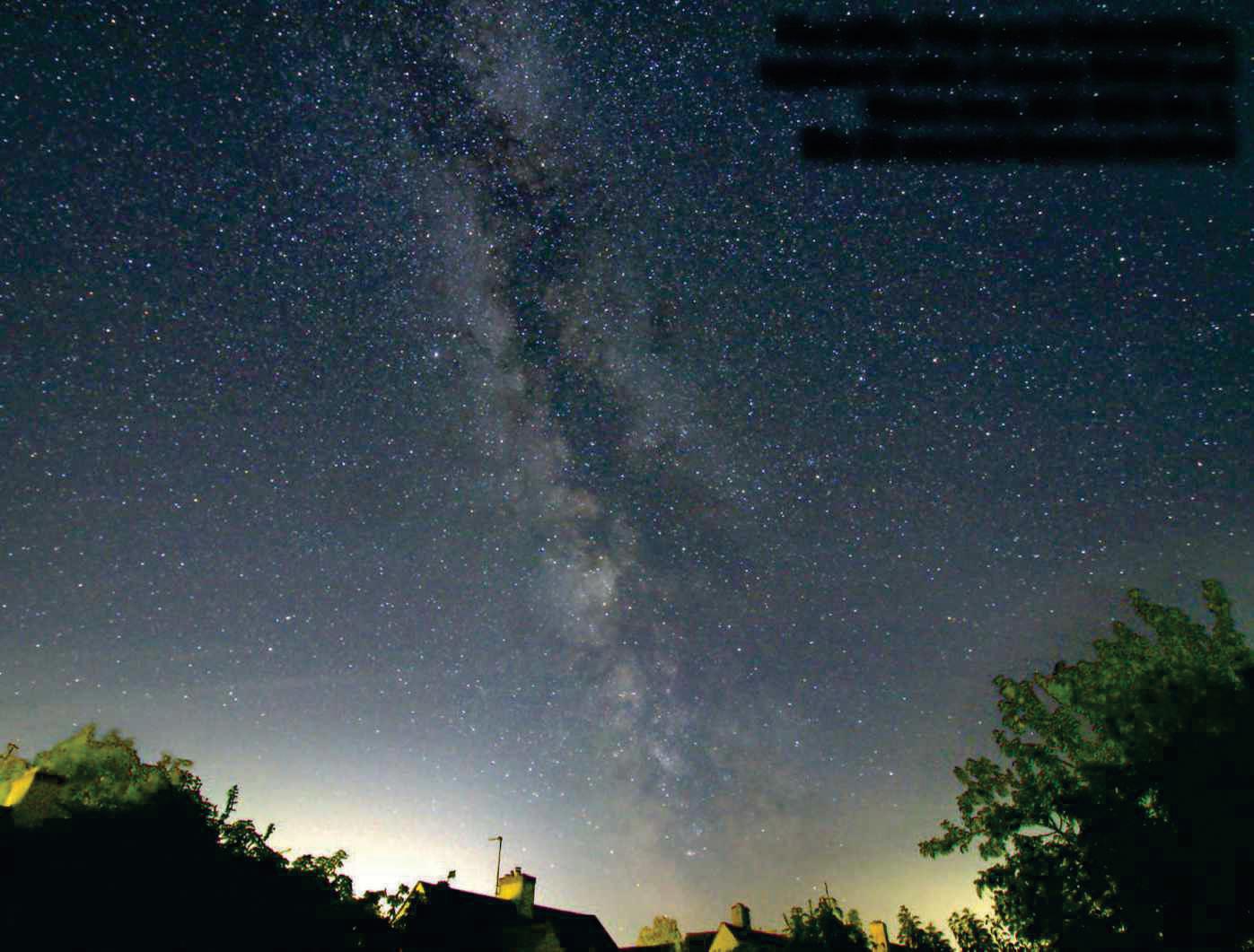
How to capture, stack and process your way to glorious shots of our Galaxy
The Milky Way is a firm favourite for nightscape photographers and astrophotographers alike, but beautiful images of our Galaxy are well within reach of beginners with basic entry-level equipment too.
While a longer focal length will capture specific regions such as nebulae, here we'll show you how a wide-angled lens and short, untracked exposures can capture more of the Milky Way at once and achieve stunning results.
There are several advantages to shorter exposures. They reduce the chances of capturing unwanted aircraft, satellites or light pollution. They can also be taken without a specialist tracking mount, so there's less equipment to carry and set up. And when it comes to photographing the Milky Way near the horizon, short exposures won't blur the foreground, so you can skip the step of having to blend separate background and foreground photos.
Be prepared
Start with a little planning. To determine what time of year is best for capturing different regions of the Milky Way from your location, try a planetarium app such as Stellarium. Shooting on a moonless night is preferable. You'll need to work out the correct exposure length for your lens. The longer the focal length, the shorter the exposure needs to be to keep your stars sharp.

Dit verhaal komt uit de December 2025-editie van BBC Sky at Night Magazine.
Abonneer u op Magzter GOLD voor toegang tot duizenden zorgvuldig samengestelde premiumverhalen en meer dan 9000 tijdschriften en kranten.
Bent u al abonnee? Aanmelden
MEER VERHALEN VAN BBC Sky at Night Magazine
BBC Sky at Night Magazine
MOONWATCH
January's top lunar feature to observe

2 mins
January 2026
BBC Sky at Night Magazine
Speed up your processing workflow
How to use Photoshop's Actions tool to drastically cut your processing time
3 mins
January 2026
BBC Sky at Night Magazine
Chasing Canada's polar lights
With solar maximum peaking and a new Moon promising dark skies, Jamie Carter travels to Churchill, Manitoba to hunt the Northern Lights - and dodge polar bears – in Canada's far north
7 mins
January 2026

BBC Sky at Night Magazine
Beyond Pluto: The search for the hidden planets
Could one – or even two - undiscovered planets lurk at the edges of our Solar System? Nicky Jenner explores how close we are to finding the elusive 'Planet 9'
6 mins
January 2026
BBC Sky at Night Magazine
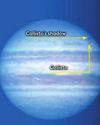
Jupiter moon events
Jupiter is a magnificent planet to observe.
2 mins
January 2026

BBC Sky at Night Magazine
What samples from space have taught us
Alastair Gunn explains what scientists have learnt in the 20 years since the first unmanned mission brought materials back from alien worlds
3 mins
January 2026
BBC Sky at Night Magazine
The Milky Way as you've never seen it before
This is the largest low-frequency radio colour image of our Galaxy ever assembled
1 min
January 2026
BBC Sky at Night Magazine
Merger of ‘impossibly' massive black holes explained
Scientists discover how enormous, fast-spinning black holes can exist after all
1 mins
January 2026
BBC Sky at Night Magazine
Lunar occultation of the Pleiades
BEST TIME TO SEE: 27 January from 20:30 UT
1 min
January 2026
BBC Sky at Night Magazine
The Universe's expansion may be slowing down
New study suggests current theories of dark energy could be wrong
1 mins
January 2026
Listen
Translate
Change font size