Poging GOUD - Vrij
THE POWER OF HABIT
BBC Science Focus
|August 2023
Our lives are filled with habitual behaviours, both good and bad, but how do they form and how can we build better ones?

The word 'habits' gets thrown around a lot. Your GP encourages you to get into the 'good habit' of eating five portions of fruit and veg a day; your friend worries about their 'bad habit' of checking Twitter before bed; maybe you once had a music teacher who kept on at you to practise your scales until they 'feel habitual'. Or perhaps you've been telling yourself that you want to get into the habit' of going to the gym twice a week.
All this talk makes sense at a colloquial level, but psychologists are more pedantic about it. In fact, not everything you do, or aspire to do, frequently or regularly, is necessarily a habit. Some of the situations above are more about goals (what you hope to achieve at some point in the future), intentions (your plans for what you're going to do) and skills (such as being able to hit musical notes consistently), than about habits per se. Routines - such as going to the gym regularly have the potential to become habitual, but it's not inevitable that they will. So what exactly is a habit? And what does it take to make one that's 'good' or break one that's 'bad'?
WHAT MAKES A HABIT?
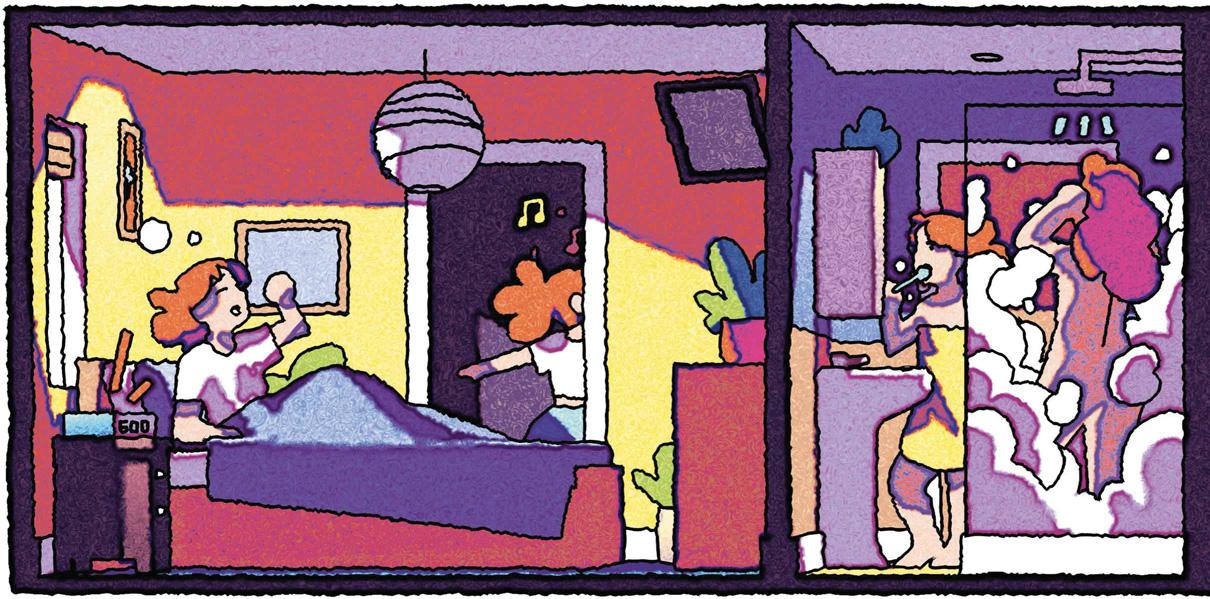
A habit is your brain on autopilot
In psychology, saying that a behaviour has become habitual means something very specific - although there are some niche controversies around the edges of the concept. One key feature of habits has been recognised since at least the time of William James, the American philosopher and historian who's regarded as one of the founders of functional psychology.
As he put it near the start of the 20th century, when it comes to habits, "action goes on of itself". What he meant by that is once something is habitual, you do it without thinking.


Dit verhaal komt uit de August 2023-editie van BBC Science Focus.
Abonneer u op Magzter GOLD voor toegang tot duizenden zorgvuldig samengestelde premiumverhalen en meer dan 9000 tijdschriften en kranten.
Bent u al abonnee? Aanmelden
MEER VERHALEN VAN BBC Science Focus

BBC Science Focus
ASTRONOMY FOR BEGINNERS
RETURN OF THE EVENING STAR (VENUS)

1 mins
March 2026

BBC Science Focus
CAN YOU STOP YOUR SENSE OF TASTE DULLING AS YOU AGE?
Sometimes I hear people say that food just doesn't taste the same as they get older. It's tempting to blame this on age, but there are other factors at play, too.
1 mins
March 2026
BBC Science Focus
MICROBIOMES OF THE SUPERAGERS
BY STUDYING THE INCREASING NUMBER OF PEOPLE WHO ARE LIVING BEYOND THEIR 100TH BIRTHDAYS, SCIENTISTS ARE DISCOVERING THAT THE SECRET TO REACHING A RIPE OLD AGE IN RUDE HEALTH MIGHT LIE IN OUR GUTS
8 mins
March 2026

BBC Science Focus
HOW BIG WERE MEDIEVAL WAR HORSES?
You might picture knights charging into battle on towering steeds, but medieval horses were typically no bigger than modern-day ponies.
1 min
March 2026
BBC Science Focus
FORCES OF HABIT
Could new research on setting up healthy habits resuscitate those stuttering New Year resolutions?
3 mins
March 2026

BBC Science Focus
5 DANGERS HIDING IN YOUR PROCESSED FOOD
We all know that ultra-processed foods are bad for us, but what ingredients should we particularly try to avoid? And what are they doing to our bodies?
9 mins
March 2026
BBC Science Focus
Mosquitoes are becoming thirstier for human blood
Habitat loss may be pushing mosquitoes towards human hosts with deadly consequences
1 mins
March 2026

BBC Science Focus
HOW CAN I GET OVER MY EX?
Relationship breakups can be brutal, just look at the popularity of songs like 'Someone Like You' by Adele, or all the covers of 'Cry Me a River' by Julie London.
1 mins
March 2026
BBC Science Focus
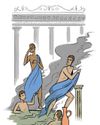
The ancient baths of Pompeii were outrageously filthy
The pre-Roman baths of Pompeii would've been seriously grotty, according to an analysis of mineral deposits
1 mins
March 2026

BBC Science Focus
DOES MY DOG HAVE ADHD?
Officially, Attention-Deficit Hyperactivity Disorder (ADHD) is a human condition. People are diagnosed with it. Dogs are not. Yet many of its core features, including hyperactivity, impulsivity and distractibility, can be found in dogs.
1 mins
March 2026
Translate
Change font size