Poging GOUD - Vrij
THE EXPLAINER PHOBIAS
BBC Science Focus
|April 2023
AN EXPLORATION INTO THE ORIGINS AND TREATMENTS OF IRRATIONAL FEARS
-

In the context of mental health, a phobia is far more serious than a mild aversion.
Many of us dislike flying, or giving a talk in front of our colleagues, and we might not be too happy if a large, slobbery dog, no matter how gentle, came bounding toward us. But as long as we can tolerate these kinds of situations without too much distress, and our lives aren't adversely affected, then we haven't got a phobia for any of these situations as such.
In contrast, people diagnosed with a relevant phobia would experience an intense, extremely unpleasant fear reaction that could be overwhelming. So much so, that it might interfere with their day-to-day lives. Flying phobias, social phobias, and a fear of dogs (even cute ones) are common examples - but there are dozens of others, including some quite bizarre examples, such as trypophobia, which is a fear of clusters of holes (like you get in crumpets), sedatephobia (a fear of silence) and gerascophobia (a fear of ageing).
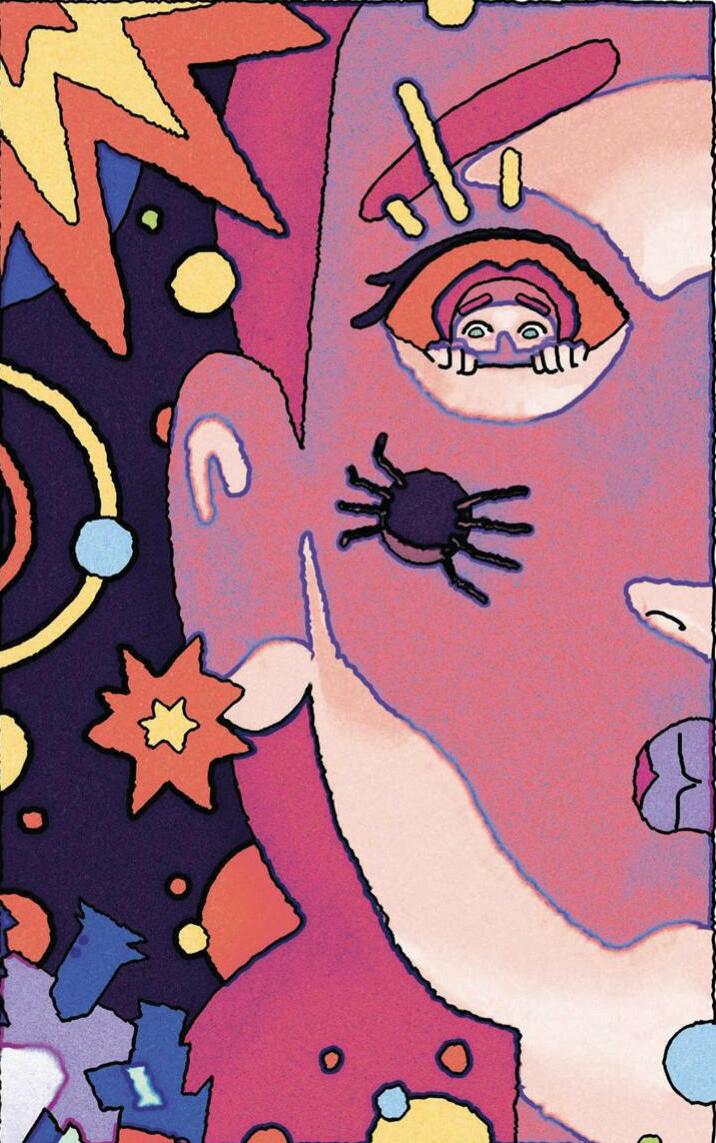
ARE PHOBIAS A DISORDER?
Phobias are a formal psychiatric diagnosis in the anxiety category. To be diagnosed, you'd need to have experienced a phobia for at least six months, and your fear reactions to the focus of your phobia would need to be out of proportion to the danger you were in.
Psychiatry recognises five main categories of 'specific phobia' (between 3 to 15 per cent of people will develop one of these at some point in their lives): animal phobias (spiders and snakes are common examples); environmental phobias (such as heights or deep water); blood/injection phobias (think needles or the mere sight of blood); situational phobias (such as bridges or dentists); and finally an 'other' category that covers almost everything else, such as a fear of swallowing or being sick.


Dit verhaal komt uit de April 2023-editie van BBC Science Focus.
Abonneer u op Magzter GOLD voor toegang tot duizenden zorgvuldig samengestelde premiumverhalen en meer dan 9000 tijdschriften en kranten.
Bent u al abonnee? Aanmelden
MEER VERHALEN VAN BBC Science Focus

BBC Science Focus
DOES MY DOG HAVE ADHD?
Officially, Attention-Deficit Hyperactivity Disorder (ADHD) is a human condition. People are diagnosed with it. Dogs are not. Yet many of its core features, including hyperactivity, impulsivity and distractibility, can be found in dogs.

1 min
March 2026

BBC Science Focus
DOES MY BRAIN LIVE A LITTLE IN THE PAST?
Yes, your brain does live a little in the past. It can't help it. The information it receives via your senses is always a little out of date. Whether it's light entering the retinas in your eyes, or sounds vibrating the hairs in your ears, it not only takes time for the data to arrive, but your brain then has to process it.
2 mins
March 2026

BBC Science Focus
ASTRONOMY FOR BEGINNERS
RETURN OF THE EVENING STAR (VENUS)
1 mins
March 2026

BBC Science Focus
CAN YOU STOP YOUR SENSE OF TASTE DULLING AS YOU AGE?
Sometimes I hear people say that food just doesn't taste the same as they get older. It's tempting to blame this on age, but there are other factors at play, too.
1 mins
March 2026
BBC Science Focus
MICROBIOMES OF THE SUPERAGERS
BY STUDYING THE INCREASING NUMBER OF PEOPLE WHO ARE LIVING BEYOND THEIR 100TH BIRTHDAYS, SCIENTISTS ARE DISCOVERING THAT THE SECRET TO REACHING A RIPE OLD AGE IN RUDE HEALTH MIGHT LIE IN OUR GUTS
8 mins
March 2026

BBC Science Focus
HOW BIG WERE MEDIEVAL WAR HORSES?
You might picture knights charging into battle on towering steeds, but medieval horses were typically no bigger than modern-day ponies.
1 min
March 2026

BBC Science Focus
FORCES OF HABIT
Could new research on setting up healthy habits resuscitate those stuttering New Year resolutions?
3 mins
March 2026

BBC Science Focus
5 DANGERS HIDING IN YOUR PROCESSED FOOD
We all know that ultra-processed foods are bad for us, but what ingredients should we particularly try to avoid? And what are they doing to our bodies?
9 mins
March 2026

BBC Science Focus
Mosquitoes are becoming thirstier for human blood
Habitat loss may be pushing mosquitoes towards human hosts with deadly consequences
1 mins
March 2026

BBC Science Focus
HOW CAN I GET OVER MY EX?
Relationship breakups can be brutal, just look at the popularity of songs like 'Someone Like You' by Adele, or all the covers of 'Cry Me a River' by Julie London.
1 mins
March 2026
Translate
Change font size