Poging GOUD - Vrij
IMAGES OF THE CENTURY
BBC Science Focus
|January 2025
THE WORLD IS FULL OF WONDERS, AND HIGH-RESOLUTION CAMERAS LET US SEE THEM IN UNPRECEDENTED DETAIL.

CHECK OUT OUR FAVOURITE IMAGES CAPTURED DURING THE FIRST 25 YEARS OF THE 21ST CENTURY
BEST. SELFIE. EVER.
MONT MERCOU, MARS
2021
Launched in 2011, NASA's Curiosity Rover was sent to search for signs that life could have existed on Mars. It has now spent well over a decade on the Red Planet, carrying out experiments with its onboard laboratory. While Curiosity isn't heading back to Earth any time soon, the take-home message from its Martian campaign is that the planet once had free-flowing water and the kind of chemistry suitable for supporting life, namely microbes.
One of Curiosity's most memorable moments came in 2021, when the sixwheeled wanderer took this cheeky selfie while posing on a small outcrop of rock that scientists named Mont Mercou, after the French mountain. It's perhaps not quite the 'moment' that it first appears, though. To create the selfie, scientists had to composite 60 images taken over two days with two cameras - most by using a robot arm like a selfie stick and the remainder using the 'Mastcam' on Curiosity's head.
MUMMIFIED MAMMOTH
THE YUKON, CANADA
2022
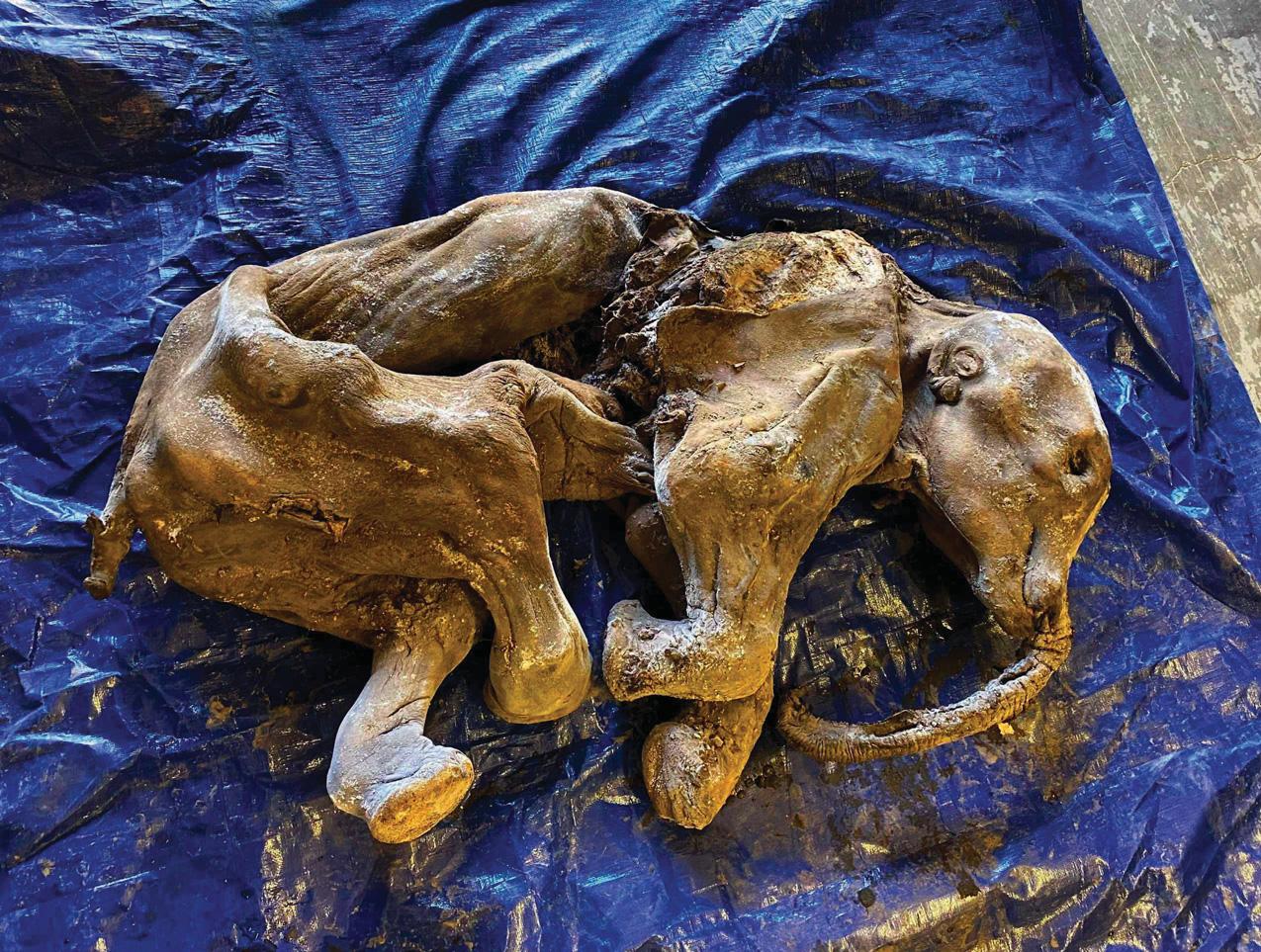 This is Nun Cho Ga, the only whole baby woolly mammoth to have been discovered in North America (near Dawson City, Yukon) to date. In the Hän language spoken in the region where her mummified remains were found, her name means 'big baby animal'. Nun Cho Ga was preserved in permafrost for 30,000 years before gold miners found her and handed her over to the Tr'ondëk Hwëch'in First Nation and Yukon governments. In 2024, she was moved to the Canadian Conservation Institute to be carefully preserved.
LOST IN THE SHADOWS
AMERICA (FROM THE DEEP SPACE CLIMATE OBSERVATORY)

Dit verhaal komt uit de January 2025-editie van BBC Science Focus.
Abonneer u op Magzter GOLD voor toegang tot duizenden zorgvuldig samengestelde premiumverhalen en meer dan 9000 tijdschriften en kranten.
Bent u al abonnee? Aanmelden
MEER VERHALEN VAN BBC Science Focus
BBC Science Focus
ASTRONOMY FOR BEGINNERS
RETURN OF THE EVENING STAR (VENUS)

1 mins
March 2026

BBC Science Focus
CAN YOU STOP YOUR SENSE OF TASTE DULLING AS YOU AGE?
Sometimes I hear people say that food just doesn't taste the same as they get older. It's tempting to blame this on age, but there are other factors at play, too.
1 mins
March 2026
BBC Science Focus
MICROBIOMES OF THE SUPERAGERS
BY STUDYING THE INCREASING NUMBER OF PEOPLE WHO ARE LIVING BEYOND THEIR 100TH BIRTHDAYS, SCIENTISTS ARE DISCOVERING THAT THE SECRET TO REACHING A RIPE OLD AGE IN RUDE HEALTH MIGHT LIE IN OUR GUTS
8 mins
March 2026

BBC Science Focus
HOW BIG WERE MEDIEVAL WAR HORSES?
You might picture knights charging into battle on towering steeds, but medieval horses were typically no bigger than modern-day ponies.
1 min
March 2026
BBC Science Focus
FORCES OF HABIT
Could new research on setting up healthy habits resuscitate those stuttering New Year resolutions?
3 mins
March 2026

BBC Science Focus
5 DANGERS HIDING IN YOUR PROCESSED FOOD
We all know that ultra-processed foods are bad for us, but what ingredients should we particularly try to avoid? And what are they doing to our bodies?
9 mins
March 2026
BBC Science Focus
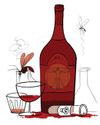
Mosquitoes are becoming thirstier for human blood
Habitat loss may be pushing mosquitoes towards human hosts with deadly consequences
1 mins
March 2026

BBC Science Focus
HOW CAN I GET OVER MY EX?
Relationship breakups can be brutal, just look at the popularity of songs like 'Someone Like You' by Adele, or all the covers of 'Cry Me a River' by Julie London.
1 mins
March 2026
BBC Science Focus
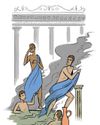
The ancient baths of Pompeii were outrageously filthy
The pre-Roman baths of Pompeii would've been seriously grotty, according to an analysis of mineral deposits
1 mins
March 2026

BBC Science Focus
DOES MY DOG HAVE ADHD?
Officially, Attention-Deficit Hyperactivity Disorder (ADHD) is a human condition. People are diagnosed with it. Dogs are not. Yet many of its core features, including hyperactivity, impulsivity and distractibility, can be found in dogs.
1 mins
March 2026
Listen
Translate
Change font size