Poging GOUD - Vrij
Ethics for the Age of AI
Philosophy Now
|June/July 2025
Mahmoud Khatami asks, can machines make good moral decisions?
-
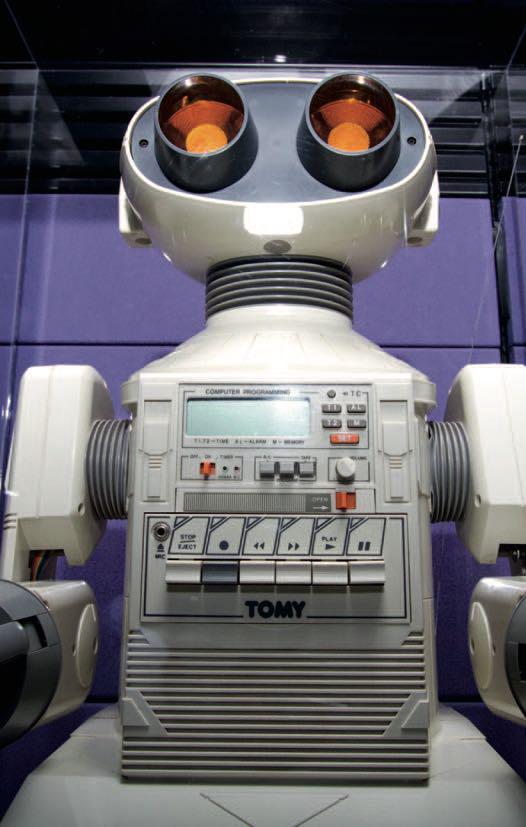
Imagine a self-driving car speeding down a narrow road when suddenly a child runs into its path. The car must decide: swerve and risk the passenger's life, or stay the course and endanger the child? This real-world dilemma echoes the classic 'trolley problem' in ethics, and highlights the ethical challenges of AI. Similarly, AI systems in healthcare diagnose diseases and recommend treatments, sometimes making life-or-death decisions. But can machines truly understand right from wrong? What happens when they make mistakes, or reflect their creators' biases? As AI integrates into our lives, it will both transform how we work and challenge our understanding of morality. From facial recognition to loan approvals, AI makes decisions once reserved for humans; yet machines lack empathy, context, or moral reasoning. This raises profound questions: Can AI make ethical decisions? Should it? And how do we ensure it serves humanity's values, not undermines them?
This article explores AI's ethical challenges, including bias, privacy, and accountability. These issues, from fairness to trust, impact everyday life. So as we navigate this new era, we must ask: How can we ensure AI aligns with our ethical principles?
The future of AI is not just technological: it's deeply moral.
The Ethics of AI Decision-Making
At the heart of the debate over artificial intelligence ethics lies a fundamental question: what does it mean for a decision to be ethical?
For humans, ethical decision-making involves weighing values, considering consequences, and often navigating complex dilemmas. It requires empathy, intuition, and an understanding of context – qualities that are deeply rooted in our experiences and emotions. But can a machine, no matter how advanced, replicate this process? And even if it can, should it?

Dit verhaal komt uit de June/July 2025-editie van Philosophy Now.
Abonneer u op Magzter GOLD voor toegang tot duizenden zorgvuldig samengestelde premiumverhalen en meer dan 9000 tijdschriften en kranten.
Bent u al abonnee? Aanmelden
MEER VERHALEN VAN Philosophy Now

Philosophy Now
Star Trek: Enterprise
Sofia Villaweaver asks, what kind of future do we want — Gene Roddenberry's, or Friedrich Nietzsche's?

7 mins
June/July 2026

Philosophy Now
The Delphic Injunctions
Massimo Pigliucci philosophises about prophetic principles.
4 mins
June/July 2026

Philosophy Now
What’s the Value of Mountaineering?
Suleyman Moollan wonders why people climb mountains.
8 mins
June/July 2026

Philosophy Now
Death as Life’s Picture Frame
Joshua Clements puts us in the picture.
10 mins
June/July 2026
Philosophy Now
Philosophers on Butterflies
Summer is upon those of us in the northern hemisphere. That invites reflection.
2 mins
June/July 2026
Philosophy Now
Margalit & Limits to Political Compromise
Laure Gillot-Assayag reflects on the political philosophy of Avishai Margalit.
12 mins
June/July 2026

Philosophy Now
Making Omelettes & A Future Like Ours
Jimmy Alfonso Licon wonders what's wrong with killing — first chickens, then humans.
5 mins
June/July 2026

Philosophy Now
Breakfast with Habermas
Matt Qvortrup recalls chat over coffee and scrambled eggs with a champion of reasoned debate.
5 mins
June/July 2026
Philosophy Now
Who Wants to Live Forever?
Dan Pollen weighs up the pros and cons of indefinitely extended life.
10 mins
June/July 2026

Philosophy Now
Carl Schmitt (1888-1985)
Marco Pandolfini on the ideas of a highly contentious legal theorist.
9 mins
June/July 2026
Listen
Translate
Change font size