
استمتع بـUnlimited مع Magzter GOLD
احصل على وصول غير محدود إلى أكثر من 9000 مجلة وصحيفة وقصة مميزة مقابل
يحاول ذهب - حر
Ethics for the Age of AI
June/July 2025
|Philosophy Now
Mahmoud Khatami asks, can machines make good moral decisions?
-
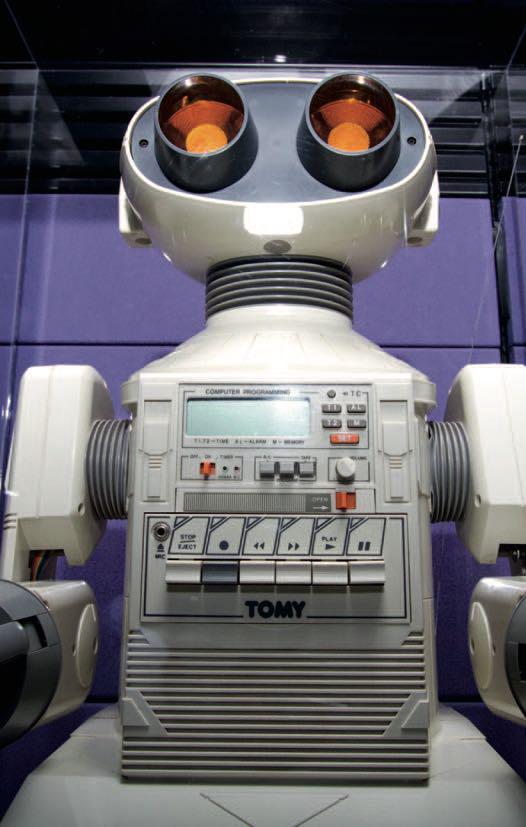
Imagine a self-driving car speeding down a narrow road when suddenly a child runs into its path. The car must decide: swerve and risk the passenger's life, or stay the course and endanger the child? This real-world dilemma echoes the classic 'trolley problem' in ethics, and highlights the ethical challenges of AI. Similarly, AI systems in healthcare diagnose diseases and recommend treatments, sometimes making life-or-death decisions. But can machines truly understand right from wrong? What happens when they make mistakes, or reflect their creators' biases? As AI integrates into our lives, it will both transform how we work and challenge our understanding of morality. From facial recognition to loan approvals, AI makes decisions once reserved for humans; yet machines lack empathy, context, or moral reasoning. This raises profound questions: Can AI make ethical decisions? Should it? And how do we ensure it serves humanity's values, not undermines them?
This article explores AI's ethical challenges, including bias, privacy, and accountability. These issues, from fairness to trust, impact everyday life. So as we navigate this new era, we must ask: How can we ensure AI aligns with our ethical principles?
The future of AI is not just technological: it's deeply moral.
The Ethics of AI Decision-Making
At the heart of the debate over artificial intelligence ethics lies a fundamental question: what does it mean for a decision to be ethical?
For humans, ethical decision-making involves weighing values, considering consequences, and often navigating complex dilemmas. It requires empathy, intuition, and an understanding of context – qualities that are deeply rooted in our experiences and emotions. But can a machine, no matter how advanced, replicate this process? And even if it can, should it?

هذه القصة من طبعة June/July 2025 من Philosophy Now.
اشترك في Magzter GOLD للوصول إلى آلاف القصص المتميزة المنسقة، وأكثر من 9000 مجلة وصحيفة.
هل أنت مشترك بالفعل؟ تسجيل الدخول
المزيد من القصص من Philosophy Now

Philosophy Now
The Possibility- Bearing Animal
Raymond Tallis explores a twilight zone.

7 mins
February/March 2026

Philosophy Now
Amazing Times at the Pub Agora
John Douglas Mullen is a philosophical bar fly on the wall.
8 mins
February/March 2026

Philosophy Now
Friedrich Nietzsche (1844-1900)
Hilarius Bogbinder considers the all too human life of the notorious iconoclast.
11 mins
February/March 2026

Philosophy Now
Heisenberg's Philosophy of Quantum Mechanics
Kanan Purkayastha explains how Werner Heisenberg's 1925 paper turned the quantum theory of the early 1900s into the quantum mechanics of today.
10 mins
February/March 2026

Philosophy Now
Cicero & the Ideal of Virtue
Abdullah Shaikh explores Cicero's ideas about the core Roman principle of virtus.
13 mins
February/March 2026

Philosophy Now
ROPE
Les Jones has a Nietzschean take on a Hitchcock thriller.
6 mins
February/March 2026
Philosophy Now
What Have the Romans Ever Done For Us?
Salve! This issue's theme is Roman Philosophy. But as the rebels in Monty Python's Life of Brian asked, what have the Romans ever done for us? The question seems relevant here; we are philosophers, not archaeologists.
2 mins
February/March 2026

Philosophy Now
Paul Guyer
Paul Guyer is an American philosopher and a leading scholar of both Immanuel Kant and aesthetics. AmirAli Maleki interviews him about Kant's political and moral vision.
9 mins
February/March 2026

Philosophy Now
Identity in the Age of Connectivity
Sara Asran explores the dynamics of identity online.
6 mins
February/March 2026
Philosophy Now
A Very Short History of Critical Thinking
Luc de Brabandere summarises a long history through key figures of thought.
7 mins
February/March 2026
Listen
Translate
Change font size