Poging GOUD - Vrij
MAKINGA MONSTER
All About History UK
|Issue 162
THE CREATION OF THE FRANKENSTEIN LEGEND
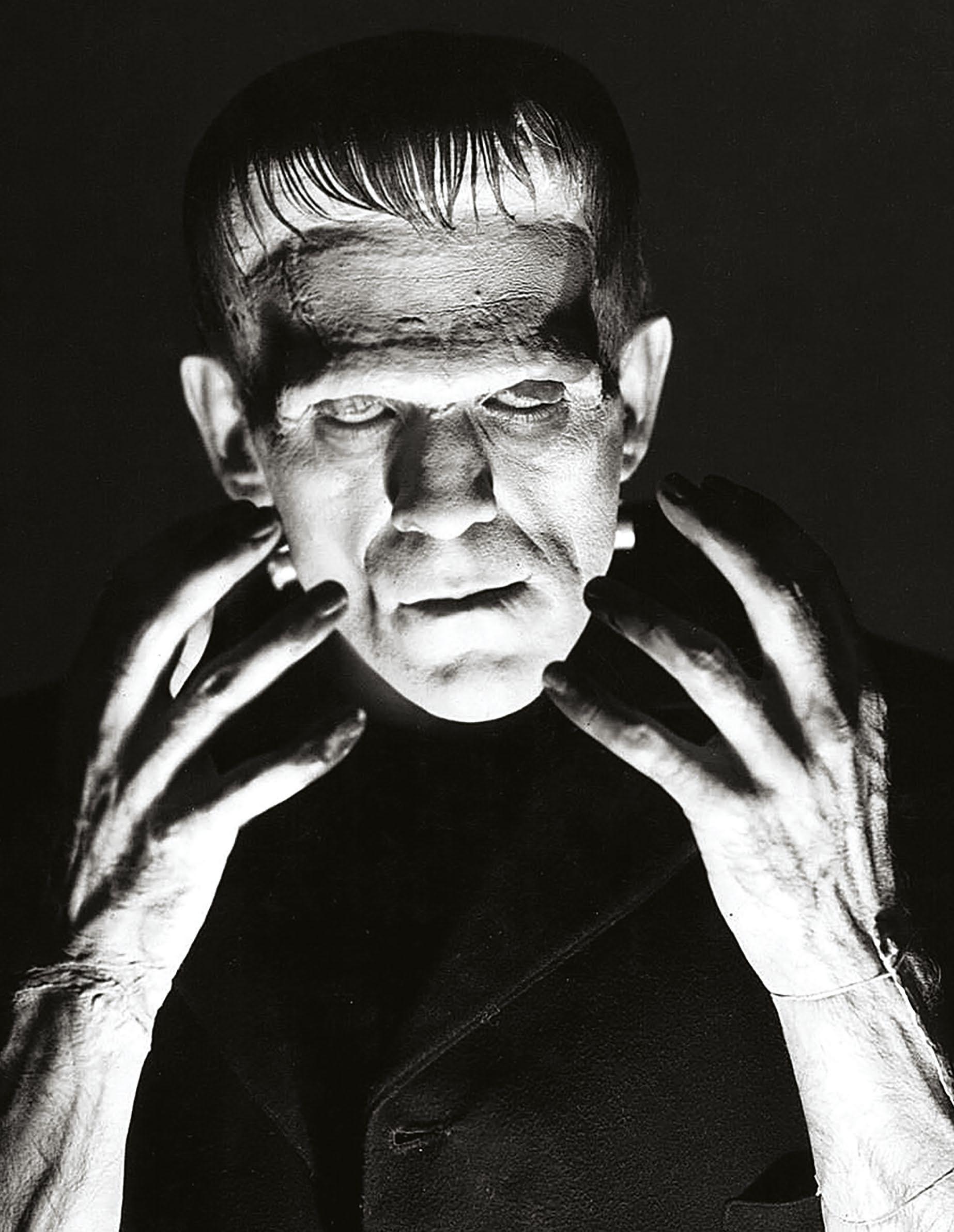
Piecing together the inspirations and evolution of Mary Shelley's famous monster
In 1818, man made a monster for the first, though certainly not the last, time. Released that year, Mary Shelley's Gothic novel Frankenstein was a gruesome story of an ambitious young man who defies the laws of nature to create a living creature from rotting cadavers. The grisly tale shocked and delighted the public in equal measure and continues to sell around 4,000 copies a year. In the years since its publication, Frankenstein has evolved from a mere story to a modern myth. This evolution has caused strange tales to circulate regarding the novel's origins, as well as inconsistencies between what are popularly considered Frankensteinian tropes and what actually appears on the page. For example, Mary's creature wasn't birthed by lightning, there is no castle, and let's not even begin to discuss bolt-necked monsters! Nonetheless, these elements have a fascinating historical pedigree, from the life of Mary herself to her supposed inspirations and even subsequent adaptations.
THERE'S SOMETHING ABOUT MARY
Born Mary Wollstonecraft Godwin, Mary Shelley came into the world on 30 August 1797. She had serious literary pedigree, being the child of writers William Godwin and Mary Wollstonecraft. Her mother is considered one of the founders of feminism and is famed for her works on the subject but passed away only 11 days after Mary's birth. Mary had no formal education, but was tutored by her father and read voraciously. She would do much of her reading upon her mother's tomb in St Pancras graveyard in London. Mary also demonstrated a precocious early desire to follow in her parents' footsteps and, at the tender age of 14, published her first poem.

Dit verhaal komt uit de Issue 162-editie van All About History UK.
Abonneer u op Magzter GOLD voor toegang tot duizenden zorgvuldig samengestelde premiumverhalen en meer dan 9000 tijdschriften en kranten.
Bent u al abonnee? Aanmelden
MEER VERHALEN VAN All About History UK

All About History UK
73 EASTING
SOUTHEASTERN IRAQ 26-27 FEBRUARY 1991

10 mins
Issue163
All About History UK
MARIE ANTOINETTE: FASHION ICON
A new exhibition explores the enduring style of the infamous 18th-century French queen
2 mins
Issue163
All About History UK
INK! FROM THE AGE OF EMPIRE TO BLACK POWER, THE JOURNALISTS WHO TRANSFORMED BRITAIN
Bringing seven fascinating voices back into the limelight
1 mins
Issue163
All About History UK
THE HURRICANE
Does this story of unjust incarceration stick to the evidence?
1 min
Issue163
All About History UK
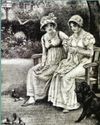
JANE AUSTEN'S ENGLAND
How Regency romance, society and family bonds inspired one of the nation's greatest authors
14 mins
Issue163
All About History UK
THE VALUE OF SPICES
Roger Crowley explains how spices transformed the world and why they were such a valuable commodity
4 mins
Issue163
All About History UK
EL GENERALISIMO
A new biography explores the life of Francisco Franco - the dictator who ruled Spain for 39 years
1 min
Issue163
All About History UK
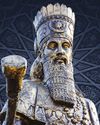
Founder of the Persian Empire
How Cyrus the Great forged his kingdom using force and smart administration of his government
8 mins
Issue163
All About History UK
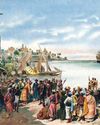
PORTUGUESE NAU
Portugal 14th - 16th century
2 mins
Issue163
All About History UK
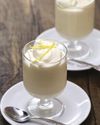
LEMON SYLLABUB
ENGLAND, 16-19TH CENTURY
1 mins
Issue163
Listen
Translate
Change font size