
Gå ubegrenset med Magzter GOLD
Få ubegrenset tilgang til over 9000 magasiner, aviser og premiumhistorier for bare
Prøve GULL - Gratis
How many ice ages has Earth had?
The Week Junior Science+Nature UK
|Christmas 2025
We are currently living through the planet's fifth ice age.
-
First, what is an ice age? It's when Earth has cold temperatures for a long time - for millions or even tens of millions of years - and that leads to ice sheets and glaciers covering large areas of the planet's surface. We know that Earth has had at least five major ice ages. The first one happened about two billion years ago and lasted about 300 million years. The most recent one started about 2.6 million years ago, and technically we are still in it.
So, why isn't Earth covered in ice right now? It's because we are living in a time known as an "interglacial period". Even in an ice age, temperatures shift between colder and warmer periods. Ice sheets and glaciers melt during warmer phases, which are called interglacials, and expand during colder phases, called glacials. In one dramatic episode between 700 million and 600 million years ago, scientists think ice sheets covered the entire planet from the poles to the equator - a so-called snowball Earth. Right now we are in the most recent ice age's warmer interglacial period, which began about 11,000 years ago.
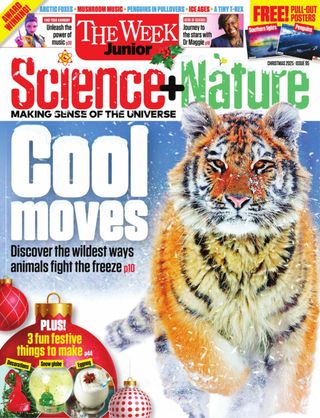

Denne historien er fra Christmas 2025-utgaven av The Week Junior Science+Nature UK.
Abonner på Magzter GOLD for å få tilgang til tusenvis av kuraterte premiumhistorier og over 9000 magasiner og aviser.
Allerede abonnent? Logg på
FLERE HISTORIER FRA The Week Junior Science+Nature UK
The Week Junior Science+Nature UK
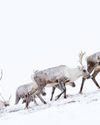
FIGHTING THE FREEZE
Claire Karwowski uncovers nature's wildest ways of fighting the winter freeze.

6 mins
Christmas 2025
The Week Junior Science+Nature UK
Cook up bioplastic decorations
Make your own eco-friendly ornaments.
1 min
Christmas 2025

The Week Junior Science+Nature UK
Should we switch off Christmas lights?
They brighten up the festive season, but they can have a negative impact on the environment.
1 mins
Christmas 2025
The Week Junior Science+Nature UK
Three spectacular illuminations
Glow Wild, Wakehurst
1 min
Christmas 2025

The Week Junior Science+Nature UK
THE LAST DAYS OF POMPEII
For the first time, an immersive exhibition about the destruction of the ancient Roman city of Pompeii has opened in London.
1 min
Christmas 2025
The Week Junior Science+Nature UK
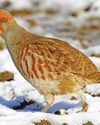
Wildlife watch
Jenny Ackland unveils a winter wonderland of natural delights this festive season.
1 mins
Christmas 2025
The Week Junior Science+Nature UK
Make Snow globes
Create the perfect Christmas gift.
1 min
Christmas 2025

The Week Junior Science+Nature UK
Maggie Aderin-Pocock
Meet the scientist \"blasting off into space\" at the Christmas Lectures.
3 mins
Christmas 2025
The Week Junior Science+Nature UK
Make vegan eggnog
Whip up a dairy-free festive winter warmer that is perfect for cold nights.
1 min
Christmas 2025
The Week Junior Science+Nature UK
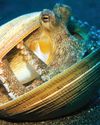
Octopuses
Meet the colour-changing, shape-shifting, fortune-telling aliens of the seas.
2 mins
Christmas 2025
Listen
Translate
Change font size