
Magzter GOLDで無制限に
10,000以上の雑誌、新聞、プレミアム記事に無制限にアクセスできます。
試す 金 - 無料
How many ice ages has Earth had?
The Week Junior Science+Nature UK
|Christmas 2025
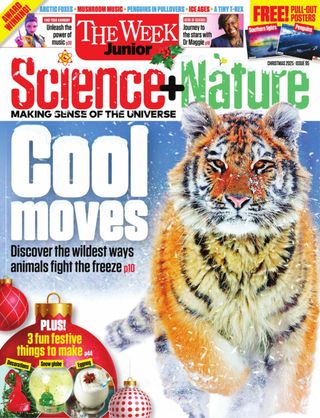
We are currently living through the planet's fifth ice age.
-
First, what is an ice age? It's when Earth has cold temperatures for a long time - for millions or even tens of millions of years - and that leads to ice sheets and glaciers covering large areas of the planet's surface. We know that Earth has had at least five major ice ages. The first one happened about two billion years ago and lasted about 300 million years. The most recent one started about 2.6 million years ago, and technically we are still in it.
So, why isn't Earth covered in ice right now? It's because we are living in a time known as an "interglacial period". Even in an ice age, temperatures shift between colder and warmer periods. Ice sheets and glaciers melt during warmer phases, which are called interglacials, and expand during colder phases, called glacials. In one dramatic episode between 700 million and 600 million years ago, scientists think ice sheets covered the entire planet from the poles to the equator - a so-called snowball Earth. Right now we are in the most recent ice age's warmer interglacial period, which began about 11,000 years ago.

このストーリーは、The Week Junior Science+Nature UK の Christmas 2025 版からのものです。
Magzter GOLD を購読すると、厳選された何千ものプレミアム記事や、10,000 以上の雑誌や新聞にアクセスできます。
すでに購読者ですか? サインイン
The Week Junior Science+Nature UK からのその他のストーリー
The Week Junior Science+Nature UK
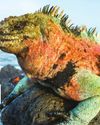
ANIMAL ISLANDS
Hop aboard as Daisy Dobrijevic sets sail to discover the world's most unusual beasts.

5 mins
March 2026

The Week Junior Science+Nature UK
Wildlife watch
Take a walk on the wild side with Jenny Ackland.
1 mins
March 2026

The Week Junior Science+Nature UK
Pushmeet Kohli
Meet the tech genius who trains the smart computers that are changing your world.
3 mins
March 2026
The Week Junior Science+Nature UK
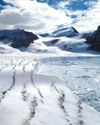
New map reveals secrets hidden under Antarctic ice
A new map of Antarctica has A revealed thousands of hills Are revealed thousands of hills and valleys buried under its thick layers of ice.
1 min
March 2026

The Week Junior Science+Nature UK
Why do dolphins jump out of the water?
Discover what makes these graceful ocean mammals leap for joy.
2 mins
March 2026

The Week Junior Science+Nature UK
Ancient fish had four eves
Ancient vertebrates (animals that have backbones) had four eyes that worked a lot like ours, new research shows.
1 min
March 2026

The Week Junior Science+Nature UK
How? What? Why?
Set your curiosity free as Mike Rampton explains how asking questions changes the world.
5 mins
March 2026

The Week Junior Science+Nature UK
Bye-bye bitter grapefruits
Scientists have found a way to make grapefruits less bitter.
1 min
March 2026
The Week Junior Science+Nature UK
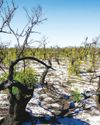
Spreading seeds of hope
Meet the scientists who are using drones to seed lost landscapes.
1 mins
March 2026
The Week Junior Science+Nature UK
Udderly brilliant cow seen using tools
A talented Austrian cow has shecked researchers by using both ends of a broom as a grooming tool.
1 min
March 2026
Listen
Translate
Change font size