Prøve GULL - Gratis
Where Han Kang's Nightmares Come From
The Atlantic
|February 2025
In her novels, the South Korean Nobel laureate returns again and again to her countrys bloody past.
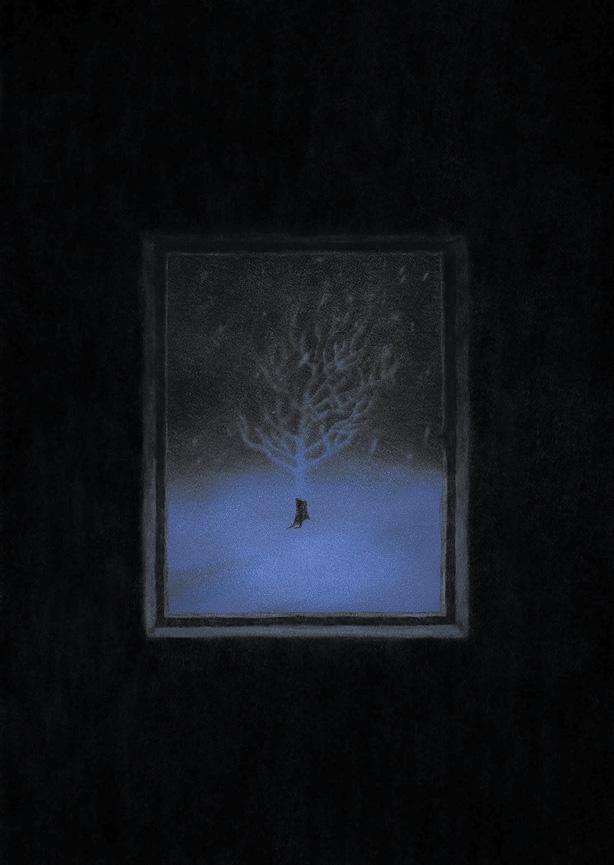
In 2016, the South Korean novelist Han Kang won the International Booker Prize for The Vegetarian, the first of her novels to be translated into English. The novel, in which a woman who suddenly refuses to eat meat is treated as if she were mad, was read as a parable of the modern condition, Kafka's The Metamorphosis or "A Hunger Artist," updated for the age of feminism and ecopolitics. In October, with three more of her novels now available in English and at least 20 other languages, the Swedish Academy awarded Han the Nobel Prize, elevating her to the empyrean realm reserved for writers of what is sometimes called world literature.
Internationally famous authors need no pity, but the status comes with vulnerabilities. Having been turned into global ambassadors for their culture, they are often accused of becoming deracinated and defanged. Han has dodged the charge so far. But suspicion fell on the English-language translator of The Vegetarian, Deborah Smith, when the novel was propelled into the spotlight. Smith mistranslated some words, but her harsher detractors accused her of betraying Han's limpid, understated style, torquing it so as to hold the attention of Western readers.
Works transposed into foreign languages-and cultures inevitably suffer omissions and distortion. That doesn't make them less authentic. But if you're trying to understand what Han is up to, adjudicating the stylistic accuracy of the translation is less important than deepening your knowledge of the work's context, which, like South Korea itself, is at once decidedly Korean and very cosmopolitan.

Denne historien er fra February 2025-utgaven av The Atlantic.
Abonner på Magzter GOLD for å få tilgang til tusenvis av kuraterte premiumhistorier og over 9000 magasiner og aviser.
Allerede abonnent? Logg på
FLERE HISTORIER FRA The Atlantic

The Atlantic
The First 18 Months
A Cabinet meeting with my son, who is exactly as old as the current administration

2 mins
July 2026
The Atlantic
What Dogs See
To understand a painting, look for the canine.
10 mins
July 2026

The Atlantic
Boy George
Finally, an action movie about Washington’s French and Indian War years.
5 mins
July 2026
The Atlantic
Disneyland With No People
When I was 17, I worked at Fantasyland’s magic shop as a magician demonstrating Svengali decks, cups and balls, and the Incredible (their word) Shrinking Die.
4 mins
July 2026
The Atlantic
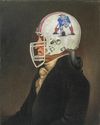
THE REBELLIOUS ORIGINS OF AMERICAN SPORTS
FROM THE BEGINNING, PATRIOTISM AND PLAY HAVE BEEN INEXTRICABLY LINKED.
12 mins
July 2026

The Atlantic
Queen of the Skies
The Boeing 747, the world’s first jumbo jet, has started its final descent.
18 mins
July 2026
The Atlantic
HOW TO TELL THE AMERICAN STORY
Finding a common history that’s both unsparing and unifying has proved all but impossible in recent years. It shouldn’t be.
17 mins
July 2026

The Atlantic
Nathaniel Hawthorne’s American Horror Story
The author wrote a tale that challenged the nation’s founding myths. Then it disappeared.
13 mins
July 2026
The Atlantic
The Surprising, Liberating History of Marriage
To find a future for the institution, Stephanie Coontz turns to its wildly varying past.
11 mins
July 2026
The Atlantic
USE IT OR LOSE IT
Freedom of speech, and of the press, can be guaranteed only if Americans exercise their rights.
8 mins
July 2026
Listen
Translate
Change font size