Prøve GULL - Gratis
round the edges
Living Etc UK
|September 2022
THE SECRET INGREDIENT | CORNICING NOT ONLY COMPLETES A ROOM BUT SETS THE TONE, TOO

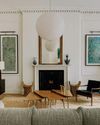
Typically found in period homes, cornicing has been used throughout architectural history to embellish the top of a wall where it junctions with the ceiling but they are more than a purely decorative flourish. ‘The purpose of cornicing is to introduce order into a room, laying the groundwork upon which interior decoration can build,’ says Max Rollitt, whose interiors projects consistently reference and reflect the heritage of a home. In this sense, getting your cornicing right can set the stage for your interiors to follow. For those looking to introduce this artful flourish into their home, these are the factors to consider.
Cornice periods can be divided up into classical, Georgian, Regency, Victorian, Edwardian, art deco and contemporary. The classical era is derived from the principles of Greek and Roman architecture. ‘Within classical buildings, cornices are based on the four classic orders: Doric, Ionic, Corinthian and Tuscan,’ says Max. Georgian and Regency cornices are softer in style, while in Victorian and Edwardian houses the cornices tend to be floral and decorative. Art deco cornices typically consist of geometric shapes. ‘There has always been taste involved and so you might be surprised how wide the choice might be while remaining true to period,’ says Xana Haley of George Jackson, specialists in interior architectural decoration.
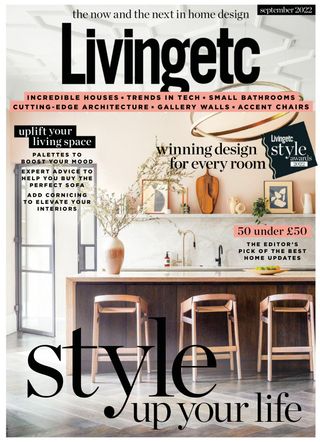

Denne historien er fra September 2022-utgaven av Living Etc UK.
Abonner på Magzter GOLD for å få tilgang til tusenvis av kuraterte premiumhistorier og over 9000 magasiner og aviser.
Allerede abonnent? Logg på
FLERE HISTORIER FRA Living Etc UK
Living Etc UK
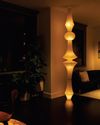
RHYTHM OF THE NIGHT
A NEW, CIRCADIAN-BASED MICRO TREND IN AMERICAN LIGHTING IS SHINING A SPOTLIGHT ON HOW TO ENHANCE BRITISH HOMES TOO

3 mins
January 2026

Living Etc UK
House rules
As the ultimate tastemaker and founder of Collagerie, Lucinda Chambers knows how to curate perfect moments - this is how her home is always party-ready
1 mins
January 2026
Living Etc UK
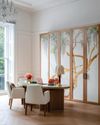
FITTED & KITTED
DESIGNERS SHARE SAVVY WAYS TO USE BUILT-IN FURNITURE FOR A HOME THAT'S BEAUTIFULLY ORGANISED
3 mins
January 2026
Living Etc UK
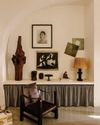
BEHIND THE CURTAIN
THE SHELF SKIRT BRINGS A SOFTER SIDE TO YOUR HOME'S STORAGE - WHILE HIDING YOUR LESS AESTHETIC CLUTTER
1 min
January 2026
Living Etc UK
the big idea
NEAT AND TIDY
1 min
January 2026

Living Etc UK
the hot spot
AMERICAN DREAM
1 min
January 2026
Living Etc UK
Dinner plans
Banquette seating, sculptural tables and more – these are design ideas to dine out on
2 mins
January 2026
Living Etc UK
buy one thing
BEDSIDE COMPANION
1 min
January 2026
Living Etc UK
Joie de vivre
Creating sophisticated interiors doesn't always mean taking a serious approach – just look at this very chic Parisian apartment and its happy-go-lucky vibe
4 mins
January 2026
Living Etc UK
Present and correct
The chicest homes are those where art, objets and niche collections are curated and on display for all to see
1 mins
January 2026
Translate
Change font size