
Gå ubegrenset med Magzter GOLD
Få ubegrenset tilgang til over 9000 magasiner, aviser og premiumhistorier for bare
DIGGING FOR DINOSAURS
Rock&Gem Magazine
|October 2022
Exploring Montana's Dinosaur Trail

It's difficult to envision dinosaurs roaming the arid, expansive prairies and badlands of Central and Eastern Montana, yet this entire region provides remarkable opportunities for amateur paleontologists to explore this fascinating realm while they get their hands in the dirt.
Montana was a vastly different landscape than it is today. "It was warmer than it is now and there doesn't appear to be evidence of frozen polar ice caps," noted Eric Metz, paleontology collections manager of the Museum of the Rockies in Bozeman. The Western Interior Seaway stretched from the Rocky Mountains east to nearly Minnesota, with a humid landscape lush with ferns and gymnosperms, such as conifers and Ginkos.
This vegetation fed herbivorous dinosaurs like the Maiasauras, Cerasinops, a relative of the Triceratops, and the 90-foot-long Apatosaurus. These species, as well as smaller animals, were often food for the iconic Tyrannosaurus Rex, the smaller Troodons, or the "raptor" Deinonychus during the Jurassic and Cretaceous Periods.
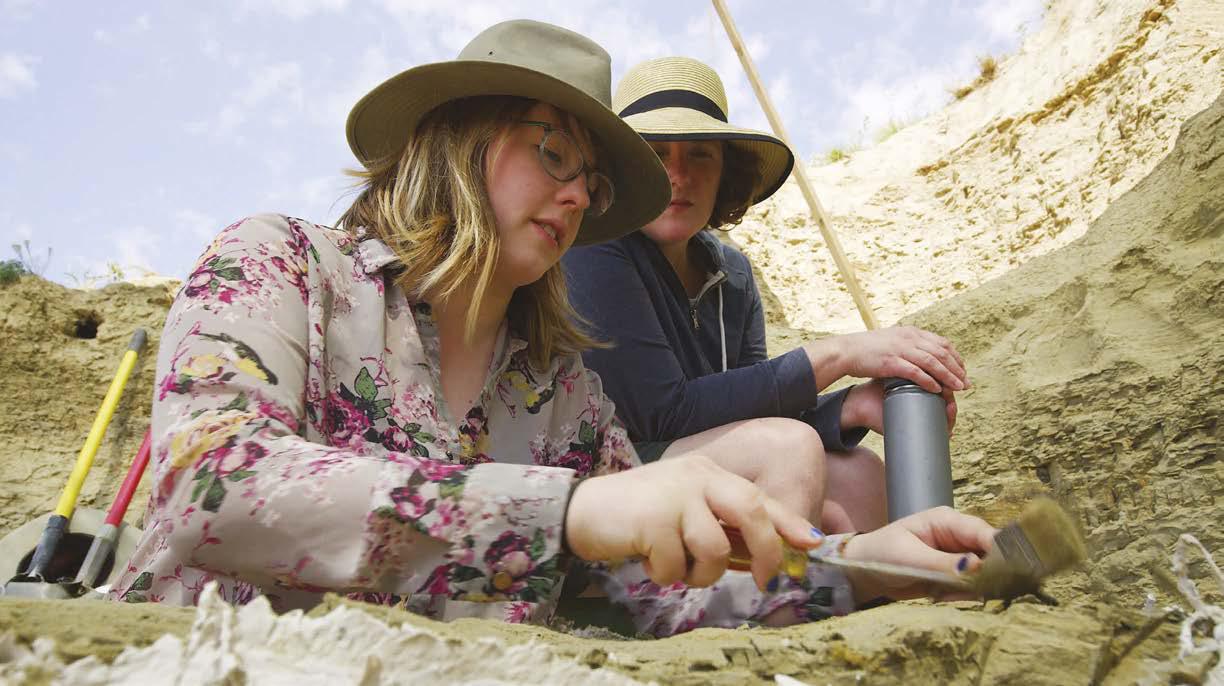
"We have a lot of evidence of early birds. They had teeth, which was cool," said Metz who noted that there were also flying reptiles, which were not dinosaurs, and the Pterosaur was the largest creature that ever flew. "And you still had different species of lizards and frogs."
While we don't often envision it, Metz points out that there were three groups of mammals during this time, including the placentals, marsupials, and multituberculates, which had rows of cusped, interlocking teeth. These went extinct after the Cretaceous period for reasons unknown. And besides the land-dwelling animals, the inland sea teamed with life including the Plesiosaur, Mosasaur, and large marine turtles.
DIGGING UP THE PAST

Denne historien er fra October 2022-utgaven av Rock&Gem Magazine.
Abonner på Magzter GOLD for å få tilgang til tusenvis av kuraterte premiumhistorier og over 9000 magasiner og aviser.
Allerede abonnent? Logg på
FLERE HISTORIER FRA Rock&Gem Magazine
Rock&Gem Magazine
A New Amber Locality Fills a Gap
A sandstone quarry in central Ecuador has yielded the first significant deposit of Mesozoic amber from South America.

1 min
January / February 2026
Rock&Gem Magazine
Did "Left-Handed" Fish Leave Water Earlier than Thought?
Fossil evidence suggests that fish (or \"fishapods\") dragged themselves onto land during the middle Devonian Period.
1 min
January / February 2026

Rock&Gem Magazine
"Lab Quakes” Produce Surprising Results
When faults let loose and earthquakes result, the main effect we mortals experience is the violent shaking.
1 min
January / February 2026
Rock&Gem Magazine
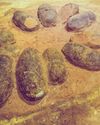
This Egg is No Spring Chicken
How to date a dino egg
1 min
January / February 2026
Rock&Gem Magazine
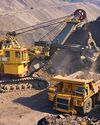
Have we Already Mined the Critical Minerals We Need
Then why are we throwing them away?!
1 min
January / February 2026
Rock&Gem Magazine
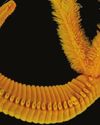
One Toxic Worm
A critter that creates & tolerates orpiment!
1 min
January / February 2026
Rock&Gem Magazine
ROCK & GEM FIELD GUIDE: Silver
Silver (Ag) is a native element and one of Earth's most prized precious metals.
2 mins
January / February 2026
Rock&Gem Magazine
DINOSAURS OF THE HELL CREEK MUSEUM
In the Badlands of South Dakota, just outside the small town of Belle Fourche—pronounced “Bell Foosh”—a new attraction has taken shape that every dinosaur enthusiast should see. The Dinosaurs of the Hell Creek Museum is part hands-on exhibit, part science center and part active research lab.
3 mins
January / February 2026
Rock&Gem Magazine
The Lost Twins of Kongsberg
A Silver Story Resurfaced
3 mins
January / February 2026
Rock&Gem Magazine
Switzerland's ICE PALACE
Walk Inside a Glacier at The Top of Europe
7 mins
January / February 2026
Translate
Change font size