Prøve GULL - Gratis
Mob rule
History Extra
|March 2026
The 20th century was a golden age for organised crime groups. Ryan Gingeras reveals how gangs from the Sicilian Mafia to Mexico's cartels capitalised on political chaos, economic upheaval and mass migration to spread their tentacles around the world
-
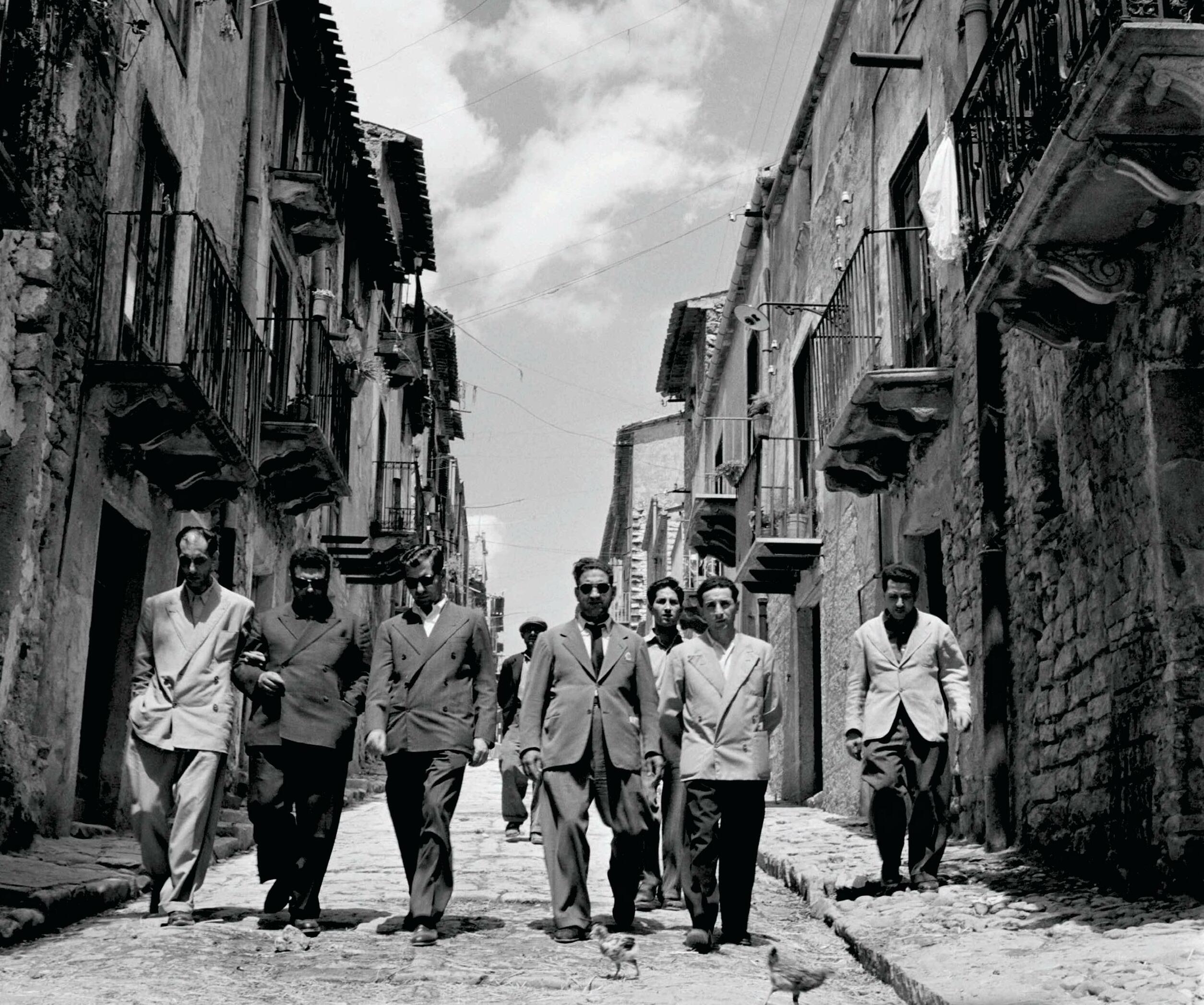
In the early 1860s Sicily was incorporated into the Kingdom of Italy.
Soon after, visitors to the island discovered what they believed was a criminal fraternity at work in Palermo and its environs. That fraternity - the 'Mafia' - possessed secret rites and bylaws that governed its members. Chief among their rules was the vow of silence, omertà, when it came to their interactions with the police.
Many assumed this 'honoured society' was born out of the prisons of Palermo, a place where hardened criminals mixed with members of secret revolutionary organisations. Before 1900, Mafiosi distinguished themselves by a clear pattern of criminal behaviour. Brigand gangs who robbed travellers on the roads were bound to the Mafia. Large landowners and government officials abetted the murders, thefts and acts of extortion mafiosi committed.
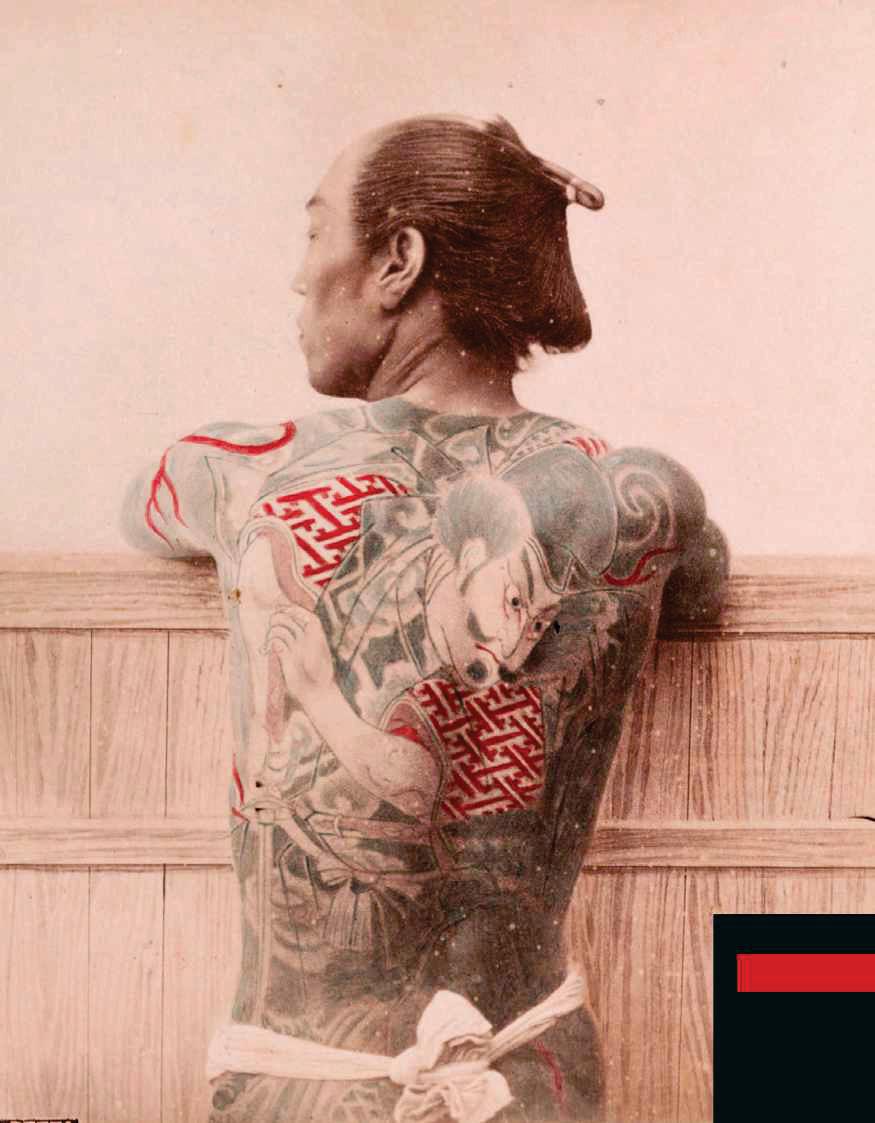 Yet there were aspects of what Mafia was that remained difficult to pin down. Mafiosi, Palermo's mayor told one public enquiry, could be "anyone who has self-respect and has a certain exaggerated pride, and the inclination to not be overwhelmed but to overwhelm others, the will to appear courageous, to be ready to fight, and so on".
 For people in the 19th century, what made Sicily's Mafia significant was the threat it posed to the government in Rome. Mafiosi appeared to rule the island from the shadows. The violence associated with them was used to intimidate citizens and to demonstrate its power to the Italian capital.

Denne historien er fra March 2026-utgaven av History Extra.
Abonner på Magzter GOLD for å få tilgang til tusenvis av kuraterte premiumhistorier og over 9000 magasiner og aviser.
Allerede abonnent? Logg på
FLERE HISTORIER FRA History Extra

History Extra
Q&A
A selection of historical conundrums answered by experts

8 mins
March 2026

History Extra
The game's afoot
Having previously made two films starring Robert Downey Jr as Sherlock Holmes, it seems Guy Ritchie remains as fascinated as ever by Sir Arthur Conan Doyle's famous detective.
1 min
March 2026
History Extra
EXHIBITIONS
If we can count on one thing to persist throughout history, perhaps it is love, and that's exactly what Love Letters showcases.
1 min
March 2026
History Extra
Left turns
Charlotte Vosper, content producer, picks episodes of the HistoryExtra podcast related to Chinese communism
1 min
March 2026

History Extra
Direct connection
To celebrate 150 years since the first telephone call was made, Michael Kay and Coreen McGuire describe how the device reshaped social interactions in Britain - and the somewhat surprising ways it was first used
12 mins
March 2026

History Extra
Political earthquake
GRAHAM HUTCHINGS is impressed by an iconoclastic history of communism in China that makes unpleasant but ultimately important reading
5 mins
March 2026

History Extra
Money talks
JESS VENNER welcomes a wide-ranging look at how non-elite people in ancient Roman society managed to get by from day to day
2 mins
March 2026

History Extra
Blades of glory
JAMES OSBORNE discovers a game in which fantasy power is measured in skill rather than status, trading crowns and conquests for patience and craft
1 mins
March 2026

History Extra
Rock'n'roll survivor
In 1961, when Stuart Sutcliffe left The Beatles, Paul McCartney switched from guitar to bass.
1 min
March 2026

History Extra
Minor character action
Whisper it, but some of Jane Austen's most beloved characters may be just a little too familiar.
1 min
March 2026
Listen
Translate
Change font size