試す 金 - 無料
Mob rule
History Extra
|March 2026
The 20th century was a golden age for organised crime groups. Ryan Gingeras reveals how gangs from the Sicilian Mafia to Mexico's cartels capitalised on political chaos, economic upheaval and mass migration to spread their tentacles around the world
-
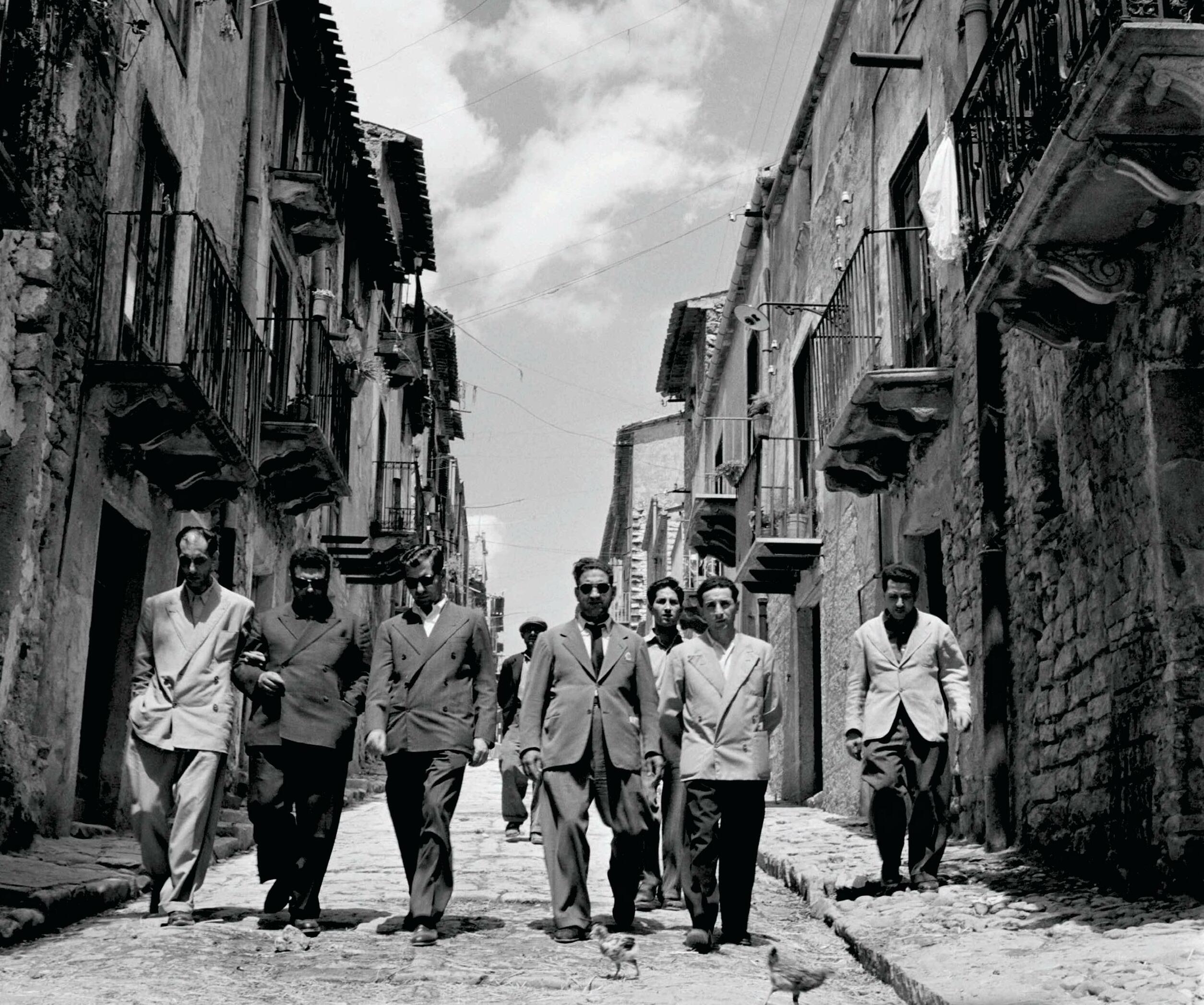
In the early 1860s Sicily was incorporated into the Kingdom of Italy.
Soon after, visitors to the island discovered what they believed was a criminal fraternity at work in Palermo and its environs. That fraternity - the 'Mafia' - possessed secret rites and bylaws that governed its members. Chief among their rules was the vow of silence, omertà, when it came to their interactions with the police.
Many assumed this 'honoured society' was born out of the prisons of Palermo, a place where hardened criminals mixed with members of secret revolutionary organisations. Before 1900, Mafiosi distinguished themselves by a clear pattern of criminal behaviour. Brigand gangs who robbed travellers on the roads were bound to the Mafia. Large landowners and government officials abetted the murders, thefts and acts of extortion mafiosi committed.
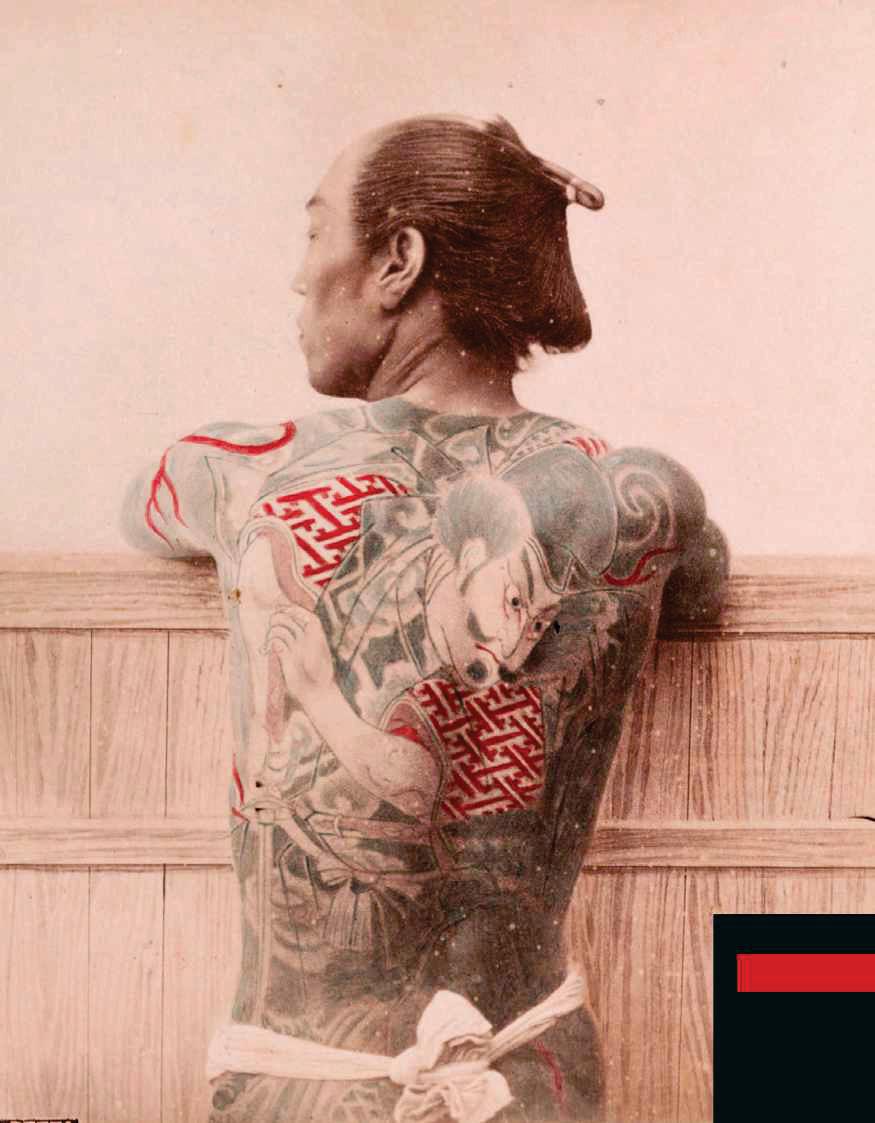 Yet there were aspects of what Mafia was that remained difficult to pin down. Mafiosi, Palermo's mayor told one public enquiry, could be "anyone who has self-respect and has a certain exaggerated pride, and the inclination to not be overwhelmed but to overwhelm others, the will to appear courageous, to be ready to fight, and so on".
 For people in the 19th century, what made Sicily's Mafia significant was the threat it posed to the government in Rome. Mafiosi appeared to rule the island from the shadows. The violence associated with them was used to intimidate citizens and to demonstrate its power to the Italian capital.

このストーリーは、History Extra の March 2026 版からのものです。
Magzter GOLD を購読すると、厳選された何千ものプレミアム記事や、10,000 以上の雑誌や新聞にアクセスできます。
すでに購読者ですか? サインイン
History Extra からのその他のストーリー
History Extra
Power and principles
GWILYM DODD applauds a biography of a cleric and statesman who combined political clout with spiritual integrity

2 mins
March 2026
History Extra
What is the biggest historical misconception?
Our team of historians, broadcasters and authors take aim at the most egregious fallacies about the past
10 mins
March 2026

History Extra
Split decisions
The history of motherhood, from childbirth to breastfeeding and working mothers, has enjoyed overdue scholarly attention in recent years.
1 mins
March 2026

History Extra
Statutes of liberty
In the 10th century, a Welsh king presided over legislation that recognised women's rights, offered consumer protection and removed physical punishments. Malcolm Smith tells the story of some of the most progressive laws ever to be enacted
8 mins
March 2026

History Extra
Victorian tragedy
My February issue of HistoryExtra magazine arrived today and I was fascinated to see the cover image informing readers of \"Lucy Worsley's hunt for a London serial killer\".
3 mins
March 2026
History Extra
Jews and Christians in York worked together for the common good
ON A COLD, GREY JANUARY DAY IN YORK, I climbed the steps to Clifford's Tower (pictured below), continuing all the way to the top to enjoy panoramic views across the city.
2 mins
March 2026

History Extra
The Archers shows that the village still stands for the idea of community
THIS YEAR WE CELEBRATE 75 YEARS OF The Archers.
3 mins
March 2026
History Extra
WHY CHURCHILL POKED THE RUSSIAN BEAR
It's 80 years since the war victor delivered his 'Iron Curtain' speech, sounding the alarm for a perilous new age. The speech, given as tensions with Stalin soared, is among the most famous in modern history. Yet, asks Richard Toye, has it been misunderstood?
10 mins
March 2026

History Extra
Sea changes
The title of this wideranging book is misleading: an overview of the medieval history of the Baltic lands, it starts before the crusades proper and follows the story through to the Reformation.
1 mins
March 2026

History Extra
MY HISTORY HERO
Olympic gold medallist Amy Williams chooses
2 mins
March 2026
Listen
Translate
Change font size