Prøve GULL - Gratis
The lost mayor of Hiroshima
BBC History UK
|September 2025
The world’s first nuclear attack brought to an end a turbulent half-century in Japanese history — one that Senkichi Awaya witnessed firsthand. Iain MacGregor reveals how one man’s fate mirrored the rise and fall of a nation
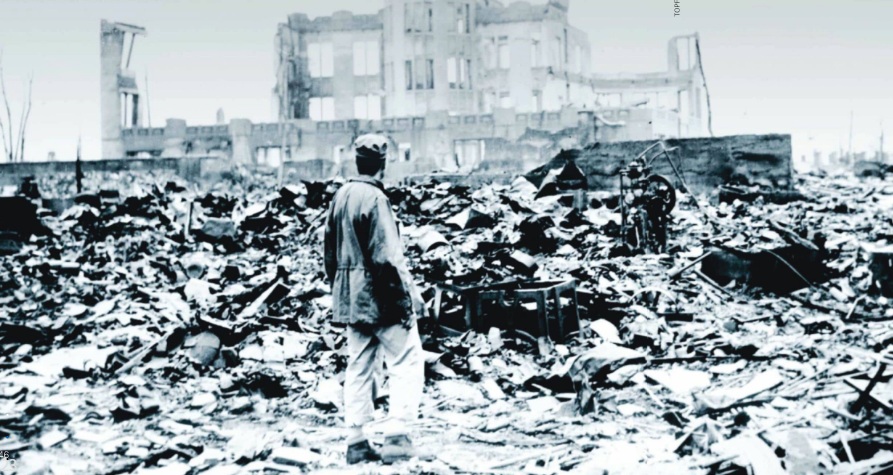
Senkichi Awaya was sitting in his dining room at the mayor's residence in Hiroshima as the clocked ticked round to 8.15am on 6 August 1945. His teenage son Shinobu, and granddaughter Ayako, refugees from a devastated Tokyo, had joined him for breakfast. His wife, Sachiyo, had walked across the courtyard to the rear of the residence to retrieve some fruit from the store next to the shrine where the family prayed daily. It was then, as the first of only two atomic weapons ever to be used in wartime detonated, that a blinding flash of brilliant light filled the room. A fireball struck the city and the front of the Awayas' home, situated around a kilometre from Ground Zero, was swept away in a crescendo of violence and heat.
Senkichi, Shinobu and Ayako were among the 70,000 people who died instantly when 'Little Boy' - dropped from the B-29 bomber Enola Gay - exploded above Hiroshima. Over the days that followed, the death toll rose towards 120,000 as those who had been severely wounded died without medical care. In a city where 26 of the 29 hospitals had either been flattened or rendered useless, there was simply nowhere for the casualties to go and, because nine out of ten of all the city's doctors and nurses had died, nobody to treat them anyway.
The city of Hiroshima became a dystopian nightmare. Even those emergency workers who survived inevitably struggled to care for themselves, let alone offer support to others. Tens of thousands of survivors made their way out of the city and into the surrounding mountains seeking shelter. But it was days before officials began a concerted rescue operation. In the meantime, survivors started to collapse with mysterious symptoms of vomiting, diarrhoea and internal bleeding. The city's people were experiencing the horrors of radiation poisoning.

Denne historien er fra September 2025-utgaven av BBC History UK.
Abonner på Magzter GOLD for å få tilgang til tusenvis av kuraterte premiumhistorier og over 9000 magasiner og aviser.
Allerede abonnent? Logg på
FLERE HISTORIER FRA BBC History UK
BBC History UK
Royal progress
Alice Loxton's new book begins with a compelling premise.

1 mins
January 2026

BBC History UK
"Leaving Muslim contributions out of European history has allowed Islamophobic sentiment to flourish"
THARIK HUSSAIN speaks to Danny Bird about the long but often overlooked and distorted history of Muslims in Europe - and the enduring resistance to its reappraisal
9 mins
January 2026
BBC History UK
7 UNMISSABLE TRIPS IN 2026
With new routes, big anniversaries and fresh ways of discovering familiar favourites, TOM HALL highlights historical destinations to explore this year
4 mins
January 2026
BBC History UK
SOPHIE SCHOLL
Novelist Simon Scarrow chooses
2 mins
January 2026
BBC History UK
Portrait of the artists
TRACY BORMAN is enraptured by a beautifully written and richly illustrated exploration of early modern English art
2 mins
January 2026
BBC History UK
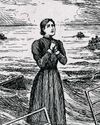
Humble heroes
Statues celebrate monarchs, rulers and conquerors - but who remembers the brave folk who gave their lives to save others? Anna Maria Barry recounts stories of selfsacrificing but otherwise ordinary people from the 19th and 20th centuries who are commemorated in one London park.
9 mins
January 2026
BBC History UK
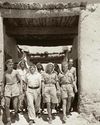
BACK FROM THE DEAD
Britain’s War Office thanked the SAS for its remarkable efforts in WW2 by abolishing it – yet soon realised the error of its ways. Gavin Mortimer tells the story of how the elite unit reinvented itself to confront the challenges of the postwar world
8 mins
January 2026
BBC History UK
Q&A - A selection of historical conundrums answered by experts
Were Roman gladiators vegetarian?
8 mins
January 2026
BBC History UK
Martha McGill on a pioneering study of folk beliefs in early modern England
I was recently chatting with a handful of early modernists about the history book we'd take to a desert island.
1 min
January 2026
BBC History UK
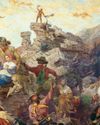
Independent empires
Viewing the British empire through an American lens provides an intriguing alternative perspective on the 'Land of the Free', says DAVID ARMITAGE
4 mins
January 2026
Listen
Translate
Change font size