Prøve GULL - Gratis
Secrets of the Seven Wonders
Archaeology
|November/December 2025
How archaeologists are rediscovering the ancient world's most marvelous monuments
-
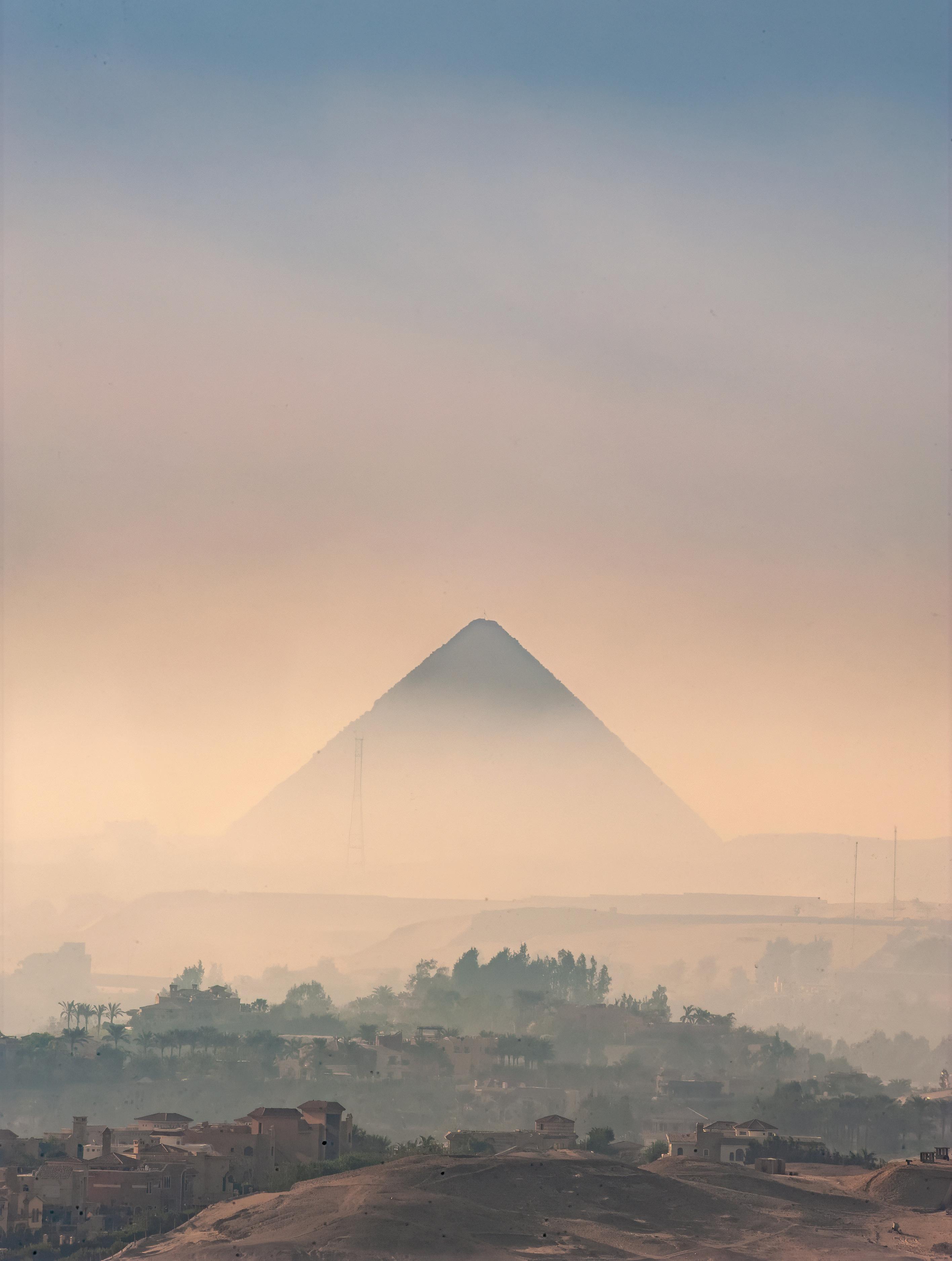
The earliest known list of seven remarkable “sights,” or theamata in Greek, to visit in the ancient Mediterranean and Near East is preserved on a papyrus fragment dating to the second century B.C. By this time, the oldest of these sights—Egypt’s Great Pyramid—had stood for nearly 2,500 years. Starting as early as the fifth century B.C., ancient writers lauded these structures, which eventually came to be referred to as thaumata, or “wonders.” The original list persisted into the fourth or fifth century A.D., when a guidebook to the monuments called On the Seven Wonders of the World is thought to have been written. Nevertheless, Greek, Roman, and Byzantine historians and poets assembled their own collections of architectural and artistic marvels, which drew from the original set but also proposed new wonders, including the Roman Colosseum. In the sixth century A.D., the Lighthouse of Alexandria was added to the list, replacing the city walls of Babylon as the consensus choice for the seventh wonder.
The canonical Seven Wonders of the Ancient World were renowned for their size or splendor and—in all cases—the ingenious technical skill required to construct them. Two of the monuments, the Mausoleum at Halicarnassus and the Colossus of Rhodes, were so impressive that their names entered the lexicon as terms still used today. Although earthquakes, fire, and conquest have felled all but the Great Pyramid, the allure of the Seven Wonders endures.
By poring over textual and iconographic sources, as well as the sometimes scant remnants of these extraordinary structures, scholars are investigating when, how, why—and in one case where—ancient people created them. Archaeologists are also digitally restoring some of the lost monuments to their original grandeur. It’s now possible to see what an ancient visitor to these wondrous sights may have gazed upon.
GREAT PYRAMID OF GIZA, Egypt, third millennium B.C.
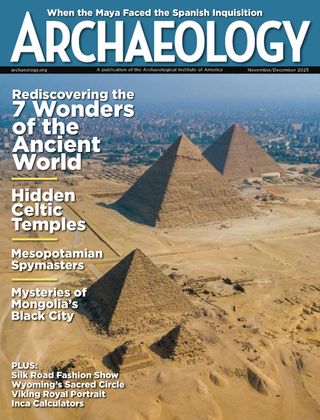

Denne historien er fra November/December 2025-utgaven av Archaeology.
Abonner på Magzter GOLD for å få tilgang til tusenvis av kuraterte premiumhistorier og over 9000 magasiner og aviser.
Allerede abonnent? Logg på
FLERE HISTORIER FRA Archaeology
Archaeology
THE EGYPTIAN SEQUENCE
Until now, the earliest Egyptians to have even part of their DNA sequenced were three people who lived between 787 and 544 B.C.

1 mins
November/December 2025
Archaeology
SOURCE MATERIAL
As early as 40,000 years ago, some hunter-gatherers in southern Africa ventured long distances to procure special types of stone to make their tools.
1 min
November/December 2025

Archaeology
Secrets of the Seven Wonders
How archaeologists are rediscovering the ancient world's most marvelous monuments
13 mins
November/December 2025
Archaeology
ACTS OF FAITH
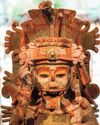
Evidence emerges of the day in 1562 when an infamous Spanish cleric tried to destroy Maya religion
12 mins
November/December 2025
Archaeology
OASIS MAKERS OF ARABIA
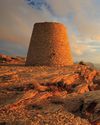
Researchers are just beginning to understand how people thrived in the desert of Oman some 5,000 years ago
8 mins
November/December 2025
Archaeology
FOSSIL FORCE
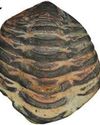
One of the planet's most successful arthropods, trilobites, abounded in the oceans from about 520 million to 250 million years ago.
1 min
November/December 2025
Archaeology
BIGHORN MEDICINE WHEEL, WYOMING
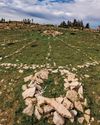
Perched almost 9,700 feet above sea level on Medicine Mountain in Wyoming's Bighorn Range, the Medicine Wheel is an 80-foot-diameter circular structure made from limestone boulders.
2 mins
November/December 2025
Archaeology
ANCIENT LOOK BOOK
A young woman buried in China's Tarim Basin some 2,000 years ago went to the afterlife accompanied by the height of fashion.
1 mins
November/December 2025
Archaeology
A FAMILIAR FACE
In the early eleventh century, a landslide on the island of Ostrów Lednicki in western Poland caused a hillfort to collapse and slip to the bottom of Lake Lednica.
1 min
November/December 2025
Archaeology
Temples to Tradition
A looted cache of bronzes compels archaeologists to explore Celtic sanctuaries across Burgundy
13 mins
November/December 2025
Listen
Translate
Change font size