
Gå ubegrenset med Magzter GOLD
Få ubegrenset tilgang til over 9000 magasiner, aviser og premiumhistorier for bare
ACTS OF FAITH
Archaeology
|November/December 2025
Evidence emerges of the day in 1562 when an infamous Spanish cleric tried to destroy Maya religion
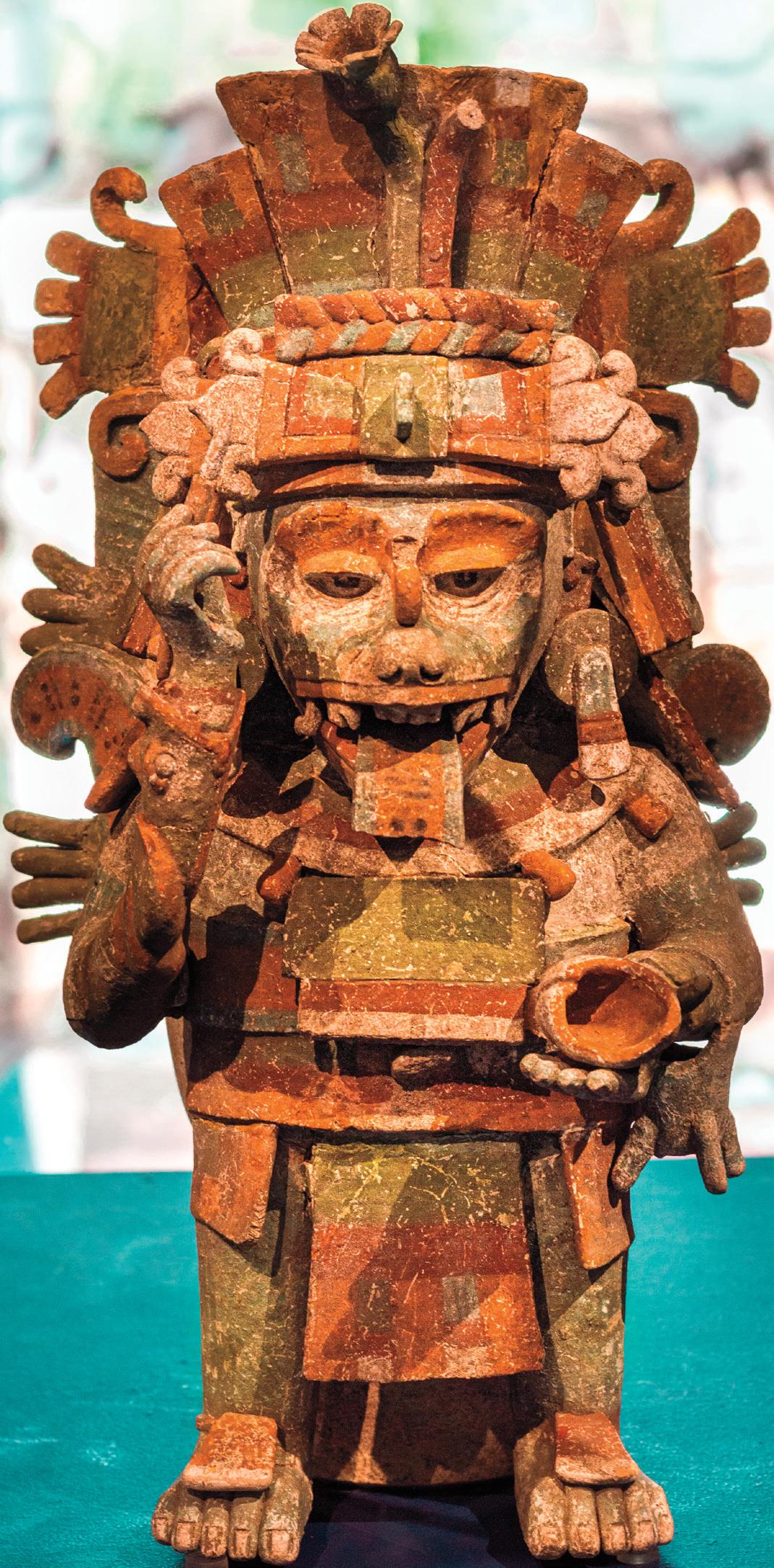
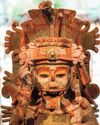
This ceramic incensario, or incense burner (center), is of a type dating to the Late Postclassic period (1300-1450) that the Maya people of Mexico's Yucatán Peninsula used to burn offerings. Archaeologists excavated thousands of ceramic fragments in the city of Maní, some of which are shown here. They believe the fragments are evidence of a 1562 ritual led by Franciscan missionary Diego de Landa during which thousands of such incensarios were smashed.
IN MAY 1562, Diego de Landa, the highest-ranking Catholic authority in Mexico's Yucatán Peninsula, received word that a large number of idols, along with human bones and deer meat, had been discovered in a cave near the town of Maní. Landa had spent the previous 13 years as a Franciscan missionary fervently converting the region's Indigenous Maya people to Christianity and attempting to stamp out pagan worship. Yet here was clear evidence that idolatrous practices persisted—possibly including human sacrifice. Landa commissioned the friars in Maní to investigate this outbreak of heretical behavior among Maya who had already been baptized. People living near the cave confessed that they had appealed to the idols in an attempt to increase rainfall and to obtain assistance in hunting deer. Landa's fellow Franciscans and a network of Maya informants fanned out across the peninsula, confiscating a massive collection of idols. By July, according to Spanish legal records, they had investigated 6,300 Maya, subjecting many to harsh questioning under torture. They had also meted out punishments including ritual humiliation, public flogging, and forced servitude to more than 4,500 people. At least 157 individuals had died as a result, 32 had been permanently maimed, and dozens had been driven to suicide.

Denne historien er fra November/December 2025-utgaven av Archaeology.
Abonner på Magzter GOLD for å få tilgang til tusenvis av kuraterte premiumhistorier og over 9000 magasiner og aviser.
Allerede abonnent? Logg på
FLERE HISTORIER FRA Archaeology
Archaeology
THE EGYPTIAN SEQUENCE
Until now, the earliest Egyptians to have even part of their DNA sequenced were three people who lived between 787 and 544 B.C.

1 mins
November/December 2025
Archaeology
SOURCE MATERIAL
As early as 40,000 years ago, some hunter-gatherers in southern Africa ventured long distances to procure special types of stone to make their tools.
1 min
November/December 2025

Archaeology
Secrets of the Seven Wonders
How archaeologists are rediscovering the ancient world's most marvelous monuments
13 mins
November/December 2025
Archaeology
ACTS OF FAITH
Evidence emerges of the day in 1562 when an infamous Spanish cleric tried to destroy Maya religion
12 mins
November/December 2025
Archaeology
OASIS MAKERS OF ARABIA
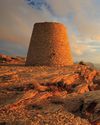
Researchers are just beginning to understand how people thrived in the desert of Oman some 5,000 years ago
8 mins
November/December 2025
Archaeology
FOSSIL FORCE
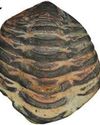
One of the planet's most successful arthropods, trilobites, abounded in the oceans from about 520 million to 250 million years ago.
1 min
November/December 2025
Archaeology
BIGHORN MEDICINE WHEEL, WYOMING
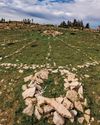
Perched almost 9,700 feet above sea level on Medicine Mountain in Wyoming's Bighorn Range, the Medicine Wheel is an 80-foot-diameter circular structure made from limestone boulders.
2 mins
November/December 2025
Archaeology
ANCIENT LOOK BOOK
A young woman buried in China's Tarim Basin some 2,000 years ago went to the afterlife accompanied by the height of fashion.
1 mins
November/December 2025
Archaeology
A FAMILIAR FACE
In the early eleventh century, a landslide on the island of Ostrów Lednicki in western Poland caused a hillfort to collapse and slip to the bottom of Lake Lednica.
1 min
November/December 2025
Archaeology
Temples to Tradition
A looted cache of bronzes compels archaeologists to explore Celtic sanctuaries across Burgundy
13 mins
November/December 2025
Listen
Translate
Change font size