Prøve GULL - Gratis
DEVELOPING MAGIC SYSTEMS
Writer’s Digest
|November / December 2025
Award-winning author Whitney Hill shares considerations for developing a magic system for your stories and how to avoid boxing yourself in for future works.
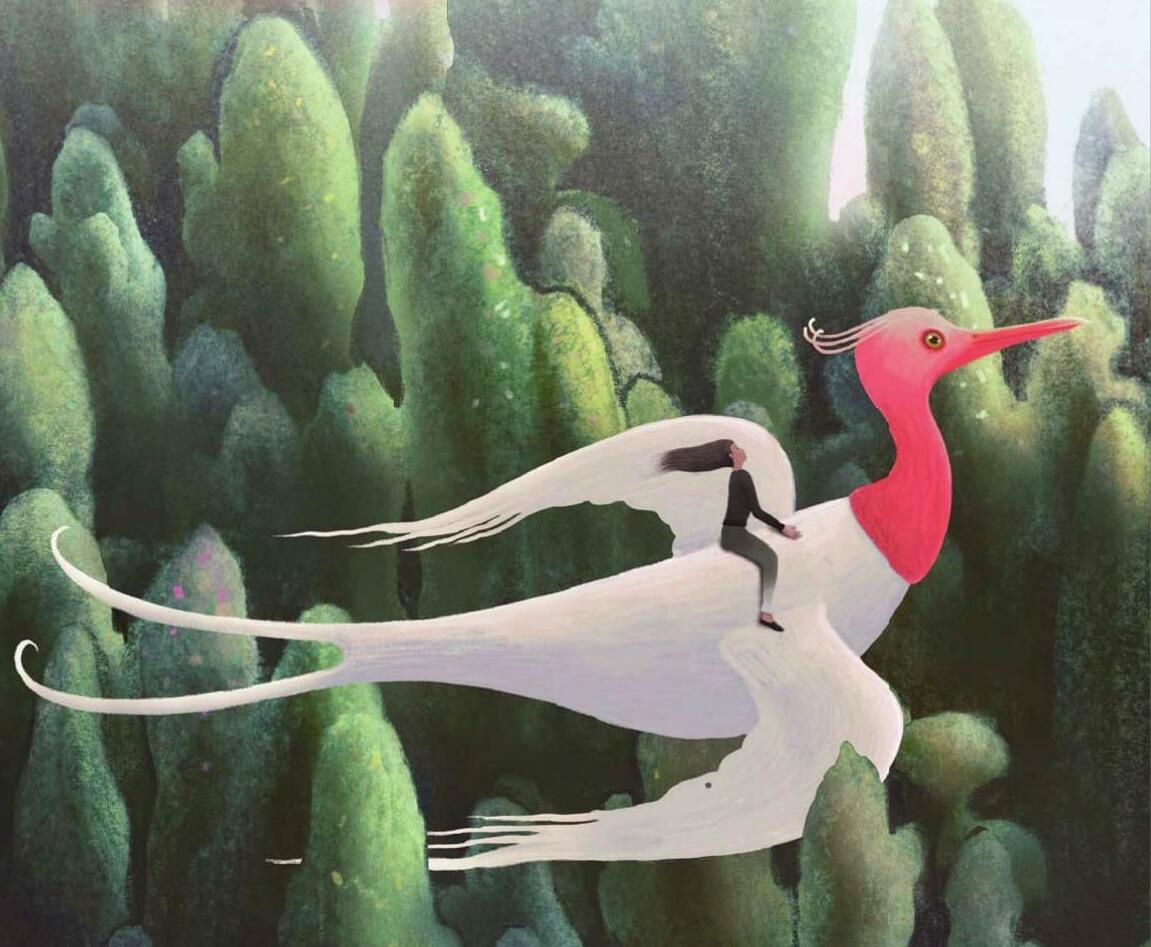
Fantasy and all its many subgenres are ever popular, and an element of the magical or supernatural permeates fantasy worlds, defining the genre.
Being intentional in building your world's magical system increases immersiveness and allows you to develop the themes, tropes, and messages you're exploring in your work.
Approaching Your Magic System
You may already have some ideas of what you want or need magic to do in your story. If not, here's a starting point for thinking about it.
Hard Magic Versus Soft Magic
As a first step, consider whether you want to develop a “hard” magic system or a “soft” magic system. The core difference between the two is the level of flexibility and predictability built into the system. Hard magic systems tend to have firmer rules and logic with more predictable outcomes, like Person X + Action Y + Target Z = Defined Outcome, often to achieve a specific goal or task. Soft magic systems will have more flexible rules, which the reader may not be able to define—which also means being less able to predict outcomes.
Deciding which works best for you from the start helps determine how much time and effort you need to put into the specifics of the system. If you're someone who needs to know the details of everything before you start writing, a harder magic system could give you the building blocks you need to craft your story. On the other hand, if the idea of too much structure makes you freeze and avoid writing entirely, allow yourself to start with a softer system that you can refine for consistency and cohesion later if needed.
Another way to decide is based on how important magic is to your story. If it drives key elements of the plot or characterization, it might help to have clear rules and a harder system. If it's just something in the background, a softer system helps de-emphasize magic as a thing that exists but isn't critical to understanding the story.

Denne historien er fra November / December 2025-utgaven av Writer’s Digest.
Abonner på Magzter GOLD for å få tilgang til tusenvis av kuraterte premiumhistorier og over 9000 magasiner og aviser.
Allerede abonnent? Logg på
FLERE HISTORIER FRA Writer’s Digest
Writer’s Digest
100 Best Markets for Writers
A list of print and online publications looking for freelancers to contribute their knowledge on everything from pet care to finance and beyond.

65 mins
Yearbook 2026

Writer’s Digest
Memoir Plus
Add a bonus to your personal narrative for a marketing boost.
8 mins
Yearbook 2026
Writer’s Digest
Surefire Ways to Sell Your Children's Book
In my 28 years editing children's books, I've learned that publishing exists at the intersection of art and commerce.
5 mins
Yearbook 2026
Writer’s Digest
The ABCs of Freelance Success
Many freelance writers, especially those at the beginning of their careers, tend to place almost all of their professional focus on one specific component: craft.
5 mins
Yearbook 2026
Writer’s Digest
How to Write in Different Genres
Emiko Jean and Yulin Kuang share tips and strategies for how they successfully write in different genres and mediums.
8 mins
Yearbook 2026
Writer’s Digest
Small But Mighty
Why small presses might be the perfect home for your book.
8 mins
Yearbook 2026

Writer’s Digest
The Story Behind the Story
What's backstory, and what's it doing here anyway?
6 mins
Yearbook 2026

Writer’s Digest
2025 Year in Review
Publishing expert Jane Friedman recaps the biggest news in the industry.
8 mins
Yearbook 2026

Writer’s Digest
What Is Your Story Question?
When a story isn't working—when you know it's not quite coming together, when beta readers and critique partners confirm your fears but can't put a finger on why, or you're not getting offers from agents or publishers—savvy authors start trying to diagnose the issue by examining its component parts, like characterization, plot, and stakes.
6 mins
Yearbook 2026
Writer’s Digest
Writer's Digest 27th Annual 101 Best Websites for Writers
For the 27th year, Writer's Digest is shining a light on 101 websites with a goal of helping writers in a variety of ways.
26 mins
Yearbook 2026
Listen
Translate
Change font size