Prøve GULL - Gratis
FINAL CALL
BBC Wildlife
|April 2023
A relic of the distant past, the brave Djibouti spurfowl can still be heard in a disappearing African forest

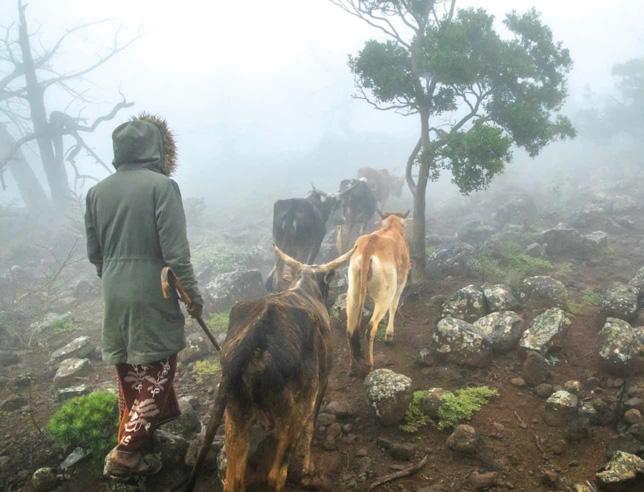
THE FOREST OF Day IS A MISTAKE. IT LIES IN DJIBOUTI, a hot desert country in the Horn of Africa, where temperatures can rise into the 40s and where the landscape is made of volcanic rock. The vast majority of Djibouti is a dustbowl. But when its landscape formed millions of years ago and tectonic plates collided, part of it was thrust so high into the air that it penetrated a cooler airstream. Reaching over 2,000m high, Djibouti's mountaintops are the exception to its desert climate. Its peaks are bathed in wet clouds, allowing for a forest to grow. Here, there are evergreen trees, such as olives and junipers, many animals, including leopards and antelopes, and a vanishingly rare bird known as the Djibouti spurfowl.
The forest is called the Forest of Day, and it sounds miraculous, sitting as it does above a high barren desert, but it's doomed. Djibouti has become hotter in recent centuries, with its mountainsides drying up, and current rates of climate change are intensifying that heat further. So the Forest of Day - which, on a geological timescale, has only just come into existence - is already collapsing. Droughts are increasing, and any animal that can leave is moving away.
The Djibouti spurfowl, which cannot leave because it needs forest cover to survive, has become Critically Endangered, chained to a dwindling forest. More than 90 per cent of the population has already vanished, and 200-500 individuals remain.
Like I said, the Forest of Day is a mistake. Its growth period was a mere blip in climatic time. If it disappears, the birds disappear with it.

Denne historien er fra April 2023-utgaven av BBC Wildlife.
Abonner på Magzter GOLD for å få tilgang til tusenvis av kuraterte premiumhistorier og over 9000 magasiner og aviser.
Allerede abonnent? Logg på
FLERE HISTORIER FRA BBC Wildlife
BBC Wildlife
“Our canoe was nearly sunk by a hippo”
Hippos in Niger

3 mins
March 2026

BBC Wildlife
Why does Australia have such weird animals?
AUSTRALIA IS A LONG WAY FROM anywhere and has been for a very long time. The landmass definitively separated from the supercontinent of Gondwana around 40 million years ago and, since then, has existed - as a big blob in the middle of an even bigger ocean - in glorious geographical isolation.
2 mins
March 2026
BBC Wildlife
Which country has the fewest native animals?
AT AROUND 61KM² SAN MARINO, IN Europe, is one of the world's smallest countries. Entirely landlocked, it is surrounded by Italy.
1 min
March 2026

BBC Wildlife
Why do some species sunbathe?
RING-TAILED LEMURS ARE FAMED FOR their 'sun-worshipping' posture, legs and arms outstretched to reveal their pale bellies. Like humans, they do it to save energy and boost health. Sunlight is necessary to many bodily processes. As a source of vitamin D it's required to maintain bone and muscle health. It is also related to the production of serotonin, the chemical that regulates mood, sleep and stress response.
1 mins
March 2026
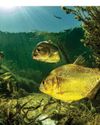
BBC Wildlife
ALL YOU EVER NEEDED TO KNOW ABOUT THE Piranha
PIRANHAS HAVE A REPUTATION as some of the most dangerous freshwater hunters: terrifying predators capable of devouring a large mammal in mere minutes.
3 mins
March 2026
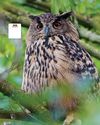
BBC Wildlife
EAGLES LANDING
Eagle owls were once heavily persecuted. But thanks to a new initiative, these magnificent birds are reclaiming a wetland home
7 mins
March 2026
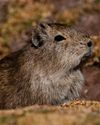
BBC Wildlife
Do wild guinea pigs exist?
GUINEA PIGS, WHICH ARE NOT pigs and not from Guinea, are domesticated rodents that do not exist in the wild.
1 min
March 2026
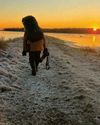
BBC Wildlife
SNAP-CHAT: THE INSIDE WORLD OF WILDLIFE PHOTOGRAPHY
Boris Belchev on birds, batteries and battling bears with pop music
3 mins
March 2026
BBC Wildlife
Does anything live in the Bermuda Triangle?
THE BERMUDA TRIANGLE, IN THE NORTH Atlantic Ocean, has become infamous for the planes and ships that are said to have vanished without a trace while travelling through the area.
1 min
March 2026
BBC Wildlife
Do animals have different blood types?
HUMANS HAVE FOUR MAIN BLOOD GROUPS: A, B, AB and O.
1 min
March 2026
Translate
Change font size