कोशिश गोल्ड - मुक्त
FINAL CALL
BBC Wildlife
|April 2023
A relic of the distant past, the brave Djibouti spurfowl can still be heard in a disappearing African forest

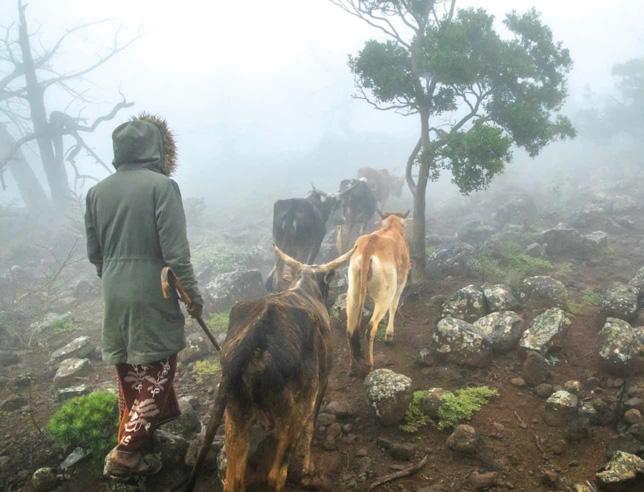
THE FOREST OF Day IS A MISTAKE. IT LIES IN DJIBOUTI, a hot desert country in the Horn of Africa, where temperatures can rise into the 40s and where the landscape is made of volcanic rock. The vast majority of Djibouti is a dustbowl. But when its landscape formed millions of years ago and tectonic plates collided, part of it was thrust so high into the air that it penetrated a cooler airstream. Reaching over 2,000m high, Djibouti's mountaintops are the exception to its desert climate. Its peaks are bathed in wet clouds, allowing for a forest to grow. Here, there are evergreen trees, such as olives and junipers, many animals, including leopards and antelopes, and a vanishingly rare bird known as the Djibouti spurfowl.
The forest is called the Forest of Day, and it sounds miraculous, sitting as it does above a high barren desert, but it's doomed. Djibouti has become hotter in recent centuries, with its mountainsides drying up, and current rates of climate change are intensifying that heat further. So the Forest of Day - which, on a geological timescale, has only just come into existence - is already collapsing. Droughts are increasing, and any animal that can leave is moving away.
The Djibouti spurfowl, which cannot leave because it needs forest cover to survive, has become Critically Endangered, chained to a dwindling forest. More than 90 per cent of the population has already vanished, and 200-500 individuals remain.
Like I said, the Forest of Day is a mistake. Its growth period was a mere blip in climatic time. If it disappears, the birds disappear with it.

यह कहानी BBC Wildlife के April 2023 संस्करण से ली गई है।
हजारों चुनिंदा प्रीमियम कहानियों और 10,000 से अधिक पत्रिकाओं और समाचार पत्रों तक पहुंचने के लिए मैगज़्टर गोल्ड की सदस्यता लें।
क्या आप पहले से ही ग्राहक हैं? साइन इन करें
BBC Wildlife से और कहानियाँ

BBC Wildlife
SNAP-CHAT
Isaac Szabo talks hellbenders, chub nests and bears on the roof

3 mins
December 2025
BBC Wildlife
Why are the tropics so diverse?
AS YOU MOVE FROM THE POLES towards the equator, species richness increases.
1 mins
December 2025
BBC Wildlife
Magnificent frigatebird
ONE MIGHT BE FORGIVEN FOR thinking that pterodactyls had been de-extincted upon first sighting the silhouette of a magnificent frigatebird.
3 mins
December 2025
BBC Wildlife
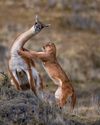
YEAR OF THE CAT
Once a phantom of Chile's windswept peaks, this plucky feline is making a comeback
3 mins
December 2025
BBC Wildlife
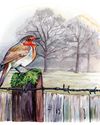
KATE BRADBURY
“I feel I am part bird at this point at the year's end: I'm ready for spring”
2 mins
December 2025
BBC Wildlife
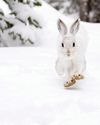
SNOW DAYS
High in the boreal forests of Colorado, the snowshoe hare lives a secretive life. But one photographer has gained a unique window into its world
3 mins
December 2025

BBC Wildlife
A journey into sound
Progressive hearing loss prompted a memorable quest to absorb nature's calls and choruses
7 mins
December 2025
BBC Wildlife
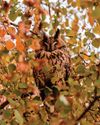
WILD IN THE CITY
A huge parliament of long-eared owls has made an unlikely home in a Serbian town square
2 mins
December 2025
BBC Wildlife
Birds follow the flames
In the Sierra Nevada of California, fire gives some birds a boost
1 mins
December 2025

BBC Wildlife
Remembering Jane
The ethologist, conservationist and humanitarian Dr Jane Goodall died in October. We reflect on the woman who gave the world hope
5 mins
December 2025
Translate
Change font size