
Gå ubegrenset med Magzter GOLD
Få ubegrenset tilgang til over 9000 magasiner, aviser og premiumhistorier for bare
A price rise nobody is talking about
Down To Earth
|June 16, 2022
Unprecedented fodder price rise is forcing farmers to quit dairy and abandon cattle

FIFTEEN YEARS ago Mangat Ram decided to start living the life he had always dreamed of. He quit his job in an automobile factory and bought two buffaloes to start a dairy. "I foresaw better future in dairy since milk demand was increasing," he says. A resident of Haryana's Lokra village in Gurugram district, Mangat Ram also pursued a course to become a certified veterinarian. His business sense proved impeccable by 2021, when he owned 39 cows, calves and bulls and was earning ₹2.43 lakh a month from milk sale. But something happened towards the end of year that jolted him out of his dream-an unprecedented rise in fodder price. From ₹4,250 per tonne in November 2021, fodder prices rose to ₹15,000 in May 2022. The over threefold increase in the cost of the most critical input (food for animals accounts for up to 60 per cent of the input cost) in just six months turned his finances upside down. Normally, Mangat Ram would earn up to ₹65,000 a year from one cow. "I will suffer a loss of ₹54,000 a year from each cow now. The milk still sells at the same rate while the input cost has trebled," he says. "Between December 2021 and March 2022, I incurred a loss of ₹2.5-3 lakh," he adds.
In May, when Down To Earth (DTE) visited Mangat Ram, he had already sold or donated 28 cows at a throwaway price of ₹5,000 per head (these could have been sold for ₹80,000 per head) and retained seven cows, two calves and two bulls. "I do not see fodder price falling soon or getting to the level at which maintaining a cow remains profitable," he says.
Like Mangat Ram, most residents of Lokra have sold their cows. The population of milch animals in the village has dwindled from 450 to 150 in the past one year, say residents. "Milk production has come down to a fourth of what it was six months ago," says Praveen Yadav of the village, who runs a dairy.


Denne historien er fra June 16, 2022-utgaven av Down To Earth.
Abonner på Magzter GOLD for å få tilgang til tusenvis av kuraterte premiumhistorier og over 9000 magasiner og aviser.
Allerede abonnent? Logg på
FLERE HISTORIER FRA Down To Earth
Down To Earth
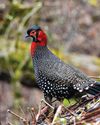
KING OF BIRDS
Revered for centuries, western tragopan now needs protection as its forests shrink, human pressures mount

3 mins
December 16, 2025

Down To Earth
WHISKERS ALL AQUIVER
Climate change threatens creatures that have weathered extreme environments for thousands of years
2 mins
December 16, 2025
Down To Earth
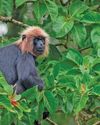
GOLDEN SPIRIT
Survival of the shy primate is closely tied to the health of Western Ghats
3 mins
December 16, 2025

Down To Earth
RINGED EYES IN THE CANOPY
Rapid habitat destruction forces arboreal langur to alter habits
2 mins
December 16, 2025
Down To Earth
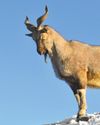
HANGING BY THE CLIFF
The Himalaya's rarest wild goat is on the brink of local extinction
2 mins
December 16, 2025
Down To Earth
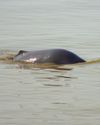
ANGEL OF THE BEAS
Conservation reserves, citizen science, and habitat protection give the Indus River dolphin a fighting chance in India
2 mins
December 16, 2025

Down To Earth
UNDER MOONLIT SCRUB
Survival of this hidden guardian tells us whether our scrublands still breathe
2 mins
December 16, 2025
Down To Earth
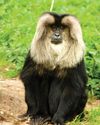
SYMBOL OF SILENT VALLEY
Lion-tailed macaque remains vulnerable despite past victories
2 mins
December 16, 2025

Down To Earth
THE APE IN OUR STORIES
India's only non-human ape species is a cultural icon threatened by forest fragmentation
2 mins
December 16, 2025
Down To Earth
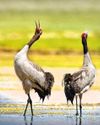
SENTINEL OF THE HIGH COLD DESERT
The bird's evocative call may not continue to roll across the cold desert valley for long
3 mins
December 16, 2025
Translate
Change font size