
Gå ubegrenset med Magzter GOLD
Få ubegrenset tilgang til over 9000 magasiner, aviser og premiumhistorier for bare
Prøve GULL - Gratis
Making a point
Country Life UK
|November 11, 2020
The first obelisk to be erected in Europe was a trophy of war. Loyd Grossman considers how these ancient monuments came to be understood and became the mark of every great city

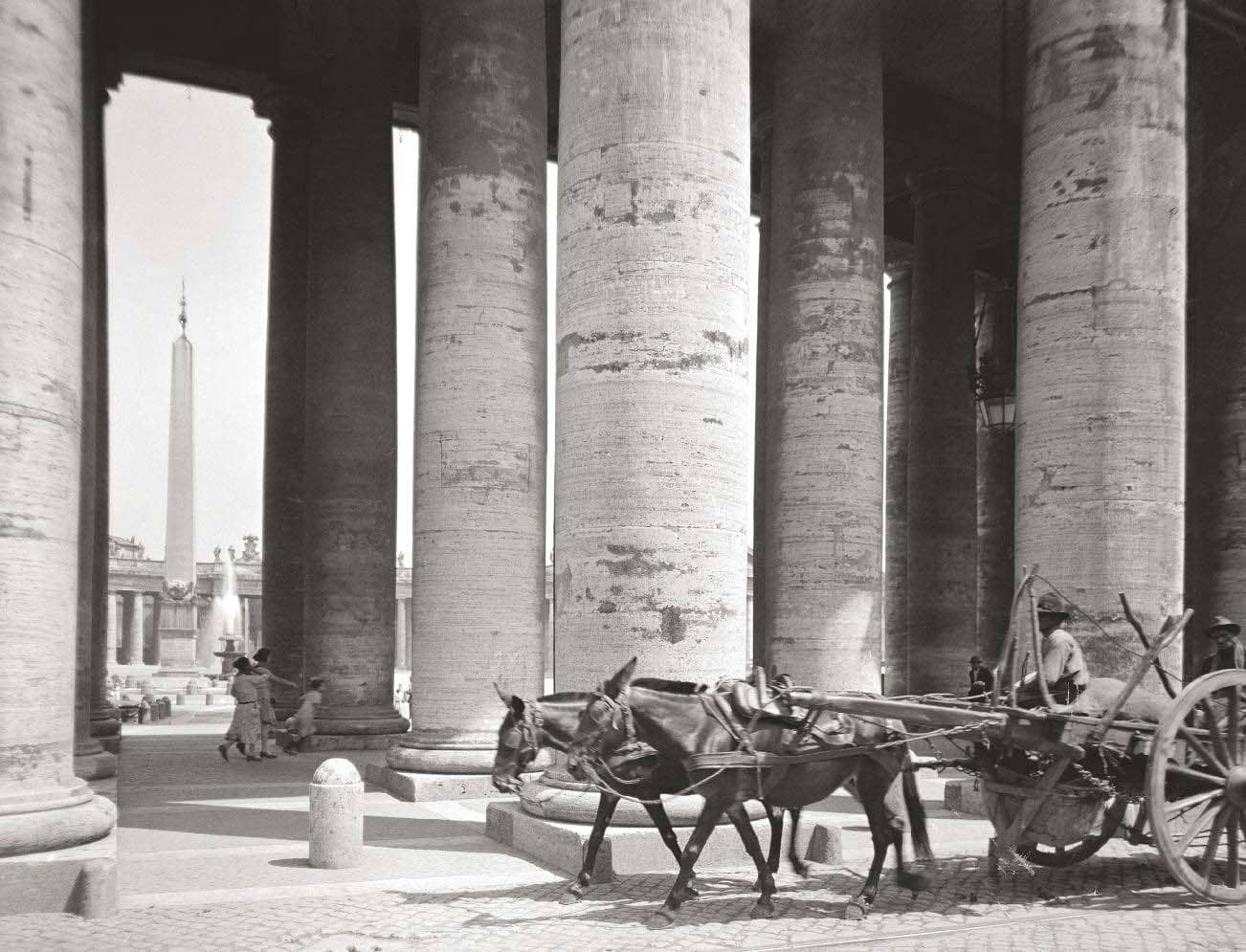
WHEN Napoleon wished to carry out an ambitious tree-planting programme for Rome, he was firmly reminded by the sculptor Canova that ‘in Rome, we do not plant trees, we plant obelisks’. The planting of obelisks in Europe is a 2,000-year-old habit, started by the Emperor Augustus in his lust for conquest and self-commemoration.
In the year 10BC, Augustus ordered the removal of two obelisks, the oldest of which was then 1,300 years old, to Rome. These first obelisks were the ultimate war trophies, a physical celebration of the Roman conquest of Egypt. They demonstrated geopolitical control of the Eastern Mediterranean and, as importantly, a source of grain to feed Rome’s million-plus population.
The arrival of the obelisks in Rome was an unequivocal statement that Rome had now superseded the world’s longest-enduring civilisation. The moving of an obelisk is a tricky business. Stone is strong in compression and weak in tension: an upright obelisk is sturdy, an obelisk at any other angle is likely to crack or shatter. Then there is their huge weight—each of Augustus’s two obelisks weighed more than 200 tons. Special ships had to be constructed to carry the monoliths across the Mediterranean and then, with little more than wooden rollers, ropes, pulleys and brute manpower, the obelisks were taken from Ostia to Rome and hauled upright. The whole operation was a testimony to Roman skill and determination. One of the obelisks was installed to decorate the central reservation of the great stadium the Circus Maximus; the other became the gnomon or hour indicator of a huge sundial that, thanks to Rome’s soggy low ground, subsided and became hopelessly inaccurate within 30 years.


Denne historien er fra November 11, 2020-utgaven av Country Life UK.
Abonner på Magzter GOLD for å få tilgang til tusenvis av kuraterte premiumhistorier og over 9000 magasiner og aviser.
Allerede abonnent? Logg på
FLERE HISTORIER FRA Country Life UK

Country Life UK
In her write mind
Sibyls, the book born of Ruth Fainlight's poems and Leonard Baskin's prints, became a memento of friendship, beauty and sorrow for its author

4 mins
February 25, 2026

Country Life UK
Kitchen garden cook- Cauliflower
Cauliflower-cheese crumpets with smoked salmon
2 mins
February 25, 2026

Country Life UK
An eye to the future
What changes to a house do most to enhance its aesthetics, function, comfort, sustainability and longevity? On March 24, leading experts in architecture, interior design, craft and restoration will share the secrets to maximising possibilities and protecting value at Daylesford's magnificent Heritage House in Gloucestershire
1 min
February 25, 2026

Country Life UK
Brown study
Beloved of everyone from prime ministers to Sir John Betjeman, brown sauce-arguably Britain's favourite piquant condiment-has a wonderfully rich history, writes Harry Pearson
3 mins
February 25, 2026

Country Life UK
Northern beauties
Before the country-house market begins in earnest-which is later in the northern regions-three handsome houses are launched in the hope of catching the eye of eager would-be buyers
5 mins
February 25, 2026
Country Life UK
Dogs behaving badly
I CHEWED my granny's passport and now she is stuck in Canada.'
2 mins
February 25, 2026

Country Life UK
The land of saints and seals
In our new series exploring the best places to visit in the UK, Mark Hedges journeys to Cornwall's wild and ancient coastline
3 mins
February 25, 2026
Country Life UK
Vote for the countryside
COUNTRY people in much of England will now have a chance to vote in May.
2 mins
February 25, 2026

Country Life UK
A glimpse of Nineveh
JAMES HERVEY-BATHURST holds a small Assyrian bas-relief in gypsum, almost certainly from Ashurbanipal's North Palace at Nineveh (Mosul, Iraq) and probably carved in about 645BC.
1 min
February 25, 2026

Country Life UK
Chichester Cathedral and Chelsea prepare for floral spectacles
CHICHESTER CATHEDRAL'S biennial Festival of Flowers marks its 30th anniversary this year (June 3–6), and once again the 950-year-old West Sussex cathedral will be transformed by floral installations.
1 min
February 25, 2026
Translate
Change font size