Prøve GULL - Gratis
NORMAN ADVENTURES IN AFRICA
BBC History UK
|July 2022
Less than a century after William the Conqueror's invasion of England, his compatriots embarked on another ambitious military assault - on the southern shores of the Mediterranean. Levi Roach tells the story of the Norman kingdom of north Africa

One day in the early 1070s, the Norman count Roger I of Sicily was hosting a meeting of his 0 advisers when something they said irked him. "Roger lifted his thigh and made a great fart," reported the Muslim chronicler Ibn al-Athir, "saying: 'By my faith, here is far better counsel than you have given'."
The Normans are best known for their conquests. So it may come as a surprise to learn that Roger's flatulence signalled his contempt for advice that he should join a planned invasion of Africa, the great continent across the Mediterranean to the south.
In the years preceding this incident, Roger's influence along the seaboards of southern Europe and north Africa had been growing steadily. Indeed, the Normans represented a rising power on both sides of the Mediterranean and, by the second half of the 11th century, their neighbours were beginning to sit up and take notice.
It was in this context that messengers from Genoa and Pisa had arrived at Roger's court, inviting him to join them in a military expedition against Mahdia, the capital of the Zirid rulers of north Africa (now on Tunisia's east coast). The two Italian city-states were looking to muscle in on the lucrative trade between the western and eastern Mediterranean, much of which passed along the north African coast, and they rated their chances of success far higher with the Normans at their side.
Roger's advisers were keen to join the expedition but, as we know from Ibn al-Athir, the count was sceptical. As Roger noted, if the expedition against Mahdia were to succeed, then the profits would go mostly to Pisa and Genoa. But if it failed, it was the Normans who would face the consequences. Roger had recently concluded a peace with Tamim ibn al-Mu'izz, the Zirid ruler. He did not want to risk this truce for a speculative venture.

Denne historien er fra July 2022-utgaven av BBC History UK.
Abonner på Magzter GOLD for å få tilgang til tusenvis av kuraterte premiumhistorier og over 9000 magasiner og aviser.
Allerede abonnent? Logg på
FLERE HISTORIER FRA BBC History UK
BBC History UK
Royal progress
Alice Loxton's new book begins with a compelling premise.

1 mins
January 2026

BBC History UK
"Leaving Muslim contributions out of European history has allowed Islamophobic sentiment to flourish"
THARIK HUSSAIN speaks to Danny Bird about the long but often overlooked and distorted history of Muslims in Europe - and the enduring resistance to its reappraisal
9 mins
January 2026
BBC History UK
7 UNMISSABLE TRIPS IN 2026
With new routes, big anniversaries and fresh ways of discovering familiar favourites, TOM HALL highlights historical destinations to explore this year
4 mins
January 2026

BBC History UK
SOPHIE SCHOLL
Novelist Simon Scarrow chooses
2 mins
January 2026
BBC History UK
Portrait of the artists
TRACY BORMAN is enraptured by a beautifully written and richly illustrated exploration of early modern English art
2 mins
January 2026
BBC History UK
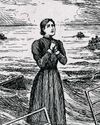
Humble heroes
Statues celebrate monarchs, rulers and conquerors - but who remembers the brave folk who gave their lives to save others? Anna Maria Barry recounts stories of selfsacrificing but otherwise ordinary people from the 19th and 20th centuries who are commemorated in one London park.
9 mins
January 2026
BBC History UK
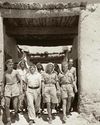
BACK FROM THE DEAD
Britain’s War Office thanked the SAS for its remarkable efforts in WW2 by abolishing it – yet soon realised the error of its ways. Gavin Mortimer tells the story of how the elite unit reinvented itself to confront the challenges of the postwar world
8 mins
January 2026
BBC History UK
Q&A - A selection of historical conundrums answered by experts
Were Roman gladiators vegetarian?
8 mins
January 2026
BBC History UK
Martha McGill on a pioneering study of folk beliefs in early modern England
I was recently chatting with a handful of early modernists about the history book we'd take to a desert island.
1 min
January 2026
BBC History UK
Independent empires
Viewing the British empire through an American lens provides an intriguing alternative perspective on the 'Land of the Free', says DAVID ARMITAGE
4 mins
January 2026
Translate
Change font size