
Gå ubegrenset med Magzter GOLD
Få ubegrenset tilgang til over 9000 magasiner, aviser og premiumhistorier for bare
Prøve GULL - Gratis
Suleyman was just as bellicose as his father, if not as gratuitously cruel
BBC History Magazine
|April 2022
CHRISTOPHER DE BELLAIGUE talks to Rhiannon Davies about his book charting the early years of Suleyman the Magnificent's reign, when the sultan had to navigate the deadly machinations of the Ottoman court as well as battle Christian powers

Rhiannon Davies: How did Suleyman the Magnificent become sultan of the Ottoman empire - the 10th man to hold that title?
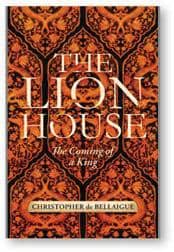
The Lion House: The Coming of a King by Christopher de Bellaigue (The Bodley Head, 304 pages, £20)
Christopher de Bellaigue: Suleyman had a very easy rise to the sultanate because his father, Selim - known as “the Grim”- had no compunction about killing. Everyone else who could have become sultan had been dispatched. There was a tradition that had become law under Mehmed the Conqueror, Suleyman's great-grandfather, by which the Ottoman sultan could kill brothers and sons in order to ease the passage to the sultanate of a particular favoured son or brother. And, indeed, Suleyman benefited from this tradition - Selim killed several brothers and nephews and, however many sons he may have had, only Suleyman was allowed to survive.
Suleyman came to power in 1520, after his father had ruled for a very short of period of time. During his reign, Selim had almost doubled the extent of Ottoman territory - he defeated the Iranians, captured Egypt, and gained control of the Holy Land. Under him, the Ottomans went from being a large power with a very significant European presence to a much larger power with a more Eurasian identity.
Selim then died very unexpectedly, possibly of the plague, and Suleyman came to power unopposed. His accession was greeted with enormous relief by the European powers - and by Christendom as a whole - because the Christian powers were in enormous terror of Selim, and thought that Suleyman could only be an improvement.
In what ways did the threat of violence hang over Suleyman's relationship with his father?

Denne historien er fra April 2022-utgaven av BBC History Magazine.
Abonner på Magzter GOLD for å få tilgang til tusenvis av kuraterte premiumhistorier og over 9000 magasiner og aviser.
Allerede abonnent? Logg på
FLERE HISTORIER FRA BBC History Magazine

History Extra
Personal stories
Few shows have enjoyed the longevity of Who Do You Think You Are? and it's easy to understand why it has endured.

1 min
June 2026

History Extra
Tidal change
Southern mythos notwithstanding, there exists no static, exceptional American South.
1 mins
June 2026

History Extra
Marriage story
Emily Howes on her novel about Catherine Dickens' relationship with her famous husband
1 mins
June 2026
History Extra
Sexual her-story
A witty, wide-ranging account of the myths and power structures behind female sexuality impresses SARAH JONES
2 mins
June 2026

History Extra
History man
According to Tom Hanks, during his childhood 'The War' was a recurring topic in the conversations of the adults around him.
1 min
June 2026
History Extra
How to be a master of disguise
10 do's and don'ts when attending a masquerade
2 mins
June 2026

History Extra
Age of indulgence
Our content producer Charlotte Vosper picks episodes of the HistoryExtra podcast about Georgian Britain
1 min
June 2026

History Extra
Gaffer tape
While Bobby Robson and Gareth Southgate both led England to World Cup semi-finals, Alf Ramsey remains the only manager to actually win the trophy.
1 mins
June 2026

History Extra
What's the origin of the Fosbury Flop?
Like the Salchow in ice skating, the Fosbury Flop is a sport technique that immortalises the name of its creator.
1 min
June 2026

History Extra
EXHIBITIONS
In 1776, the United States of America was born - heralded by the Declaration of Independence.
1 min
June 2026
Translate
Change font size