
Gå ubegrenset med Magzter GOLD
Få ubegrenset tilgang til over 9000 magasiner, aviser og premiumhistorier for bare
Why months matter
BBC Wildlife
|July 2021
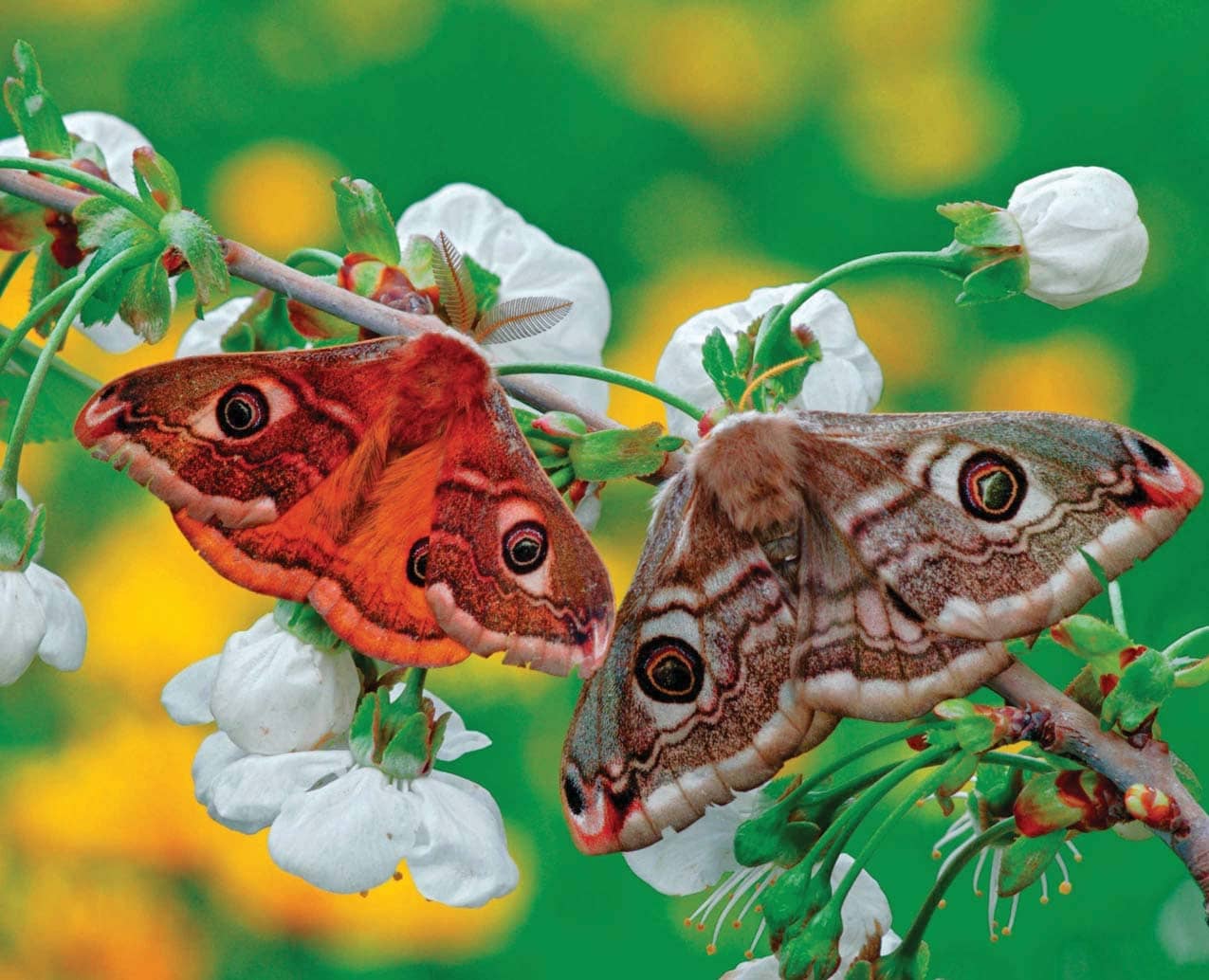
Though largely disliked by the general public, moths provide valuable ecological services – which makes the sharp decline in their British numbers all the move worrying

In his book The Moth Snowstorm, journalist Michael McCarthy recalls childhood nights when the airspace above British roads was so congested with flying moths that drivers had to stop regularly to clear windscreens of their splattered forms.
Now but a distant memory, insect blizzards were already petering out when the Rothamsted Insect Survey began recording moths nationwide in the 1960s. In March, that initiative – complemented by tens of millions of observations gathered by thousands of citizen scientists through the National Moth Recording Scheme – generated several stark revelations: that Britain has one-third fewer larger moths today than five decades ago; that four times more species are declining than are increasing; and that nearly one in five British moths is in real or potential risk of national extinction.
The worrisome findings were announced by wildlife charity Butterfly Conservation, Rothamsted Research and the UK Centre for Ecology and Hydrology. Updating assessments from 2006 and 2013, The State of Britain’s Larger Moths 2021 report strengthens growing evidence that insects are vanishing across swathes of the world. “Though no bolt from the blue – we’ve been raising the alarm about moth declines since the early 2000s – this decline is very worrying,” says lead author Richard Fox.

Denne historien er fra July 2021-utgaven av BBC Wildlife.
Abonner på Magzter GOLD for å få tilgang til tusenvis av kuraterte premiumhistorier og over 9000 magasiner og aviser.
Allerede abonnent? Logg på
FLERE HISTORIER FRA BBC Wildlife
BBC Wildlife
"I was terrified the elephant would ram us"
African elephant in Kenya

2 mins
January 2026
BBC Wildlife
ALL YOU EVER NEEDED TO KNOW ABOUT THE Fennec fox
THE FENNEC FOX IS THE SMALLEST fox in the world, with a body length that can be as little as 24cm.
3 mins
January 2026
BBC Wildlife
INTO THE PLASTISPHERE
A unique synthetic ecosystem is evolving in our oceans – welcome to the plastisphere
7 mins
January 2026
BBC Wildlife
“More than half of all animal life exists in a parasitic relationship, and all life lives in symbiosis”
Our survival depends on species evolving to live together - but some relationships take dark turns
7 mins
January 2026
BBC Wildlife
Are animals able to dream?
SLEEP IS A MYSTERIOUS THING. FOR A long time, we weren't sure why we do it.
1 mins
January 2026
BBC Wildlife
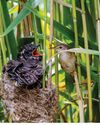
Does a cuckoo know it's a cuckoo?
ABSURD LITTLE BIRDS ACROSS THE world lay their eggs in the nests of other species, leaving the hapless parents to raise a changeling at the expense of their own offspring.
2 mins
January 2026
BBC Wildlife
Orcas killing young sharks
Juvenile great whites are easy prey for orca pod
1 mins
January 2026
BBC Wildlife
Ocean goes on tour
Acclaimed film touring the UK, backed by live orchestra and choir
1 min
January 2026
BBC Wildlife
Feisty bats hunt like lions
Winged mammals use a 'hang and wait' strategy to take down large prey
1 mins
January 2026

BBC Wildlife
SNAP-CHAT
Richard Birchett on magical merlins, wily coyotes and charging deer
2 mins
January 2026
Translate
Change font size