
Gå ubegrenset med Magzter GOLD
Få ubegrenset tilgang til over 9000 magasiner, aviser og premiumhistorier for bare
Protect the protectors
BBC Wildlife
|August 2021
Rangers are nature’s first responders. They risk their lives to protect our planet, yet some don’t even own a pair of boots. So, why are rangers not respected and supported? And what’s being done about it?

Can you name another profession that, all in a day’s work, fights wildlife crime, prevents extinction and mitigates against climate change and zoonotic disease? No, you can’t, because there isn’t one,” says Sean Willmore, managing director of ranger support charity the Thin Green Line Foundation (TGLF). “Wildlife rangers are the missing link in saving our planet.”
Global biodiversity loss has reached unprecedented levels, with one million species estimated to be threatened with extinction. Protected areas are key to saving wildlife, but they cannot function without rangers. Whether on the icy wastes of Russia’s Wrangel Island, where they prevent conflict between polar bears and people; on the ragged slopes of Mongolia’s Gobi Gurvansaikhan National Park, where they’re camera-trapping snow leopards; or in the high fells of our very own Lake District, where they manage a landscape shared with thousands of visitors, rangers defend ecosystems across the globe.
“If you imagine the planet as a house, then every park is a brick in its foundation,” says Barney Long, senior director of species conservation at Re:wild and contributor to Life on the Frontline 2019, a global survey on the working conditions of rangers. “By looking after those bricks, rangers provide essential services for humankind: the clean air we breathe, the freshwater we drink, the biodiversity that gives us new drugs every year. The planet would be pretty much unliveable without them.”
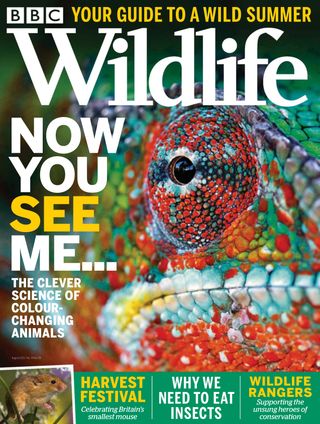

Denne historien er fra August 2021-utgaven av BBC Wildlife.
Abonner på Magzter GOLD for å få tilgang til tusenvis av kuraterte premiumhistorier og over 9000 magasiner og aviser.
Allerede abonnent? Logg på
FLERE HISTORIER FRA BBC Wildlife
BBC Wildlife
"I was terrified the elephant would ram us"
African elephant in Kenya

2 mins
January 2026
BBC Wildlife
ALL YOU EVER NEEDED TO KNOW ABOUT THE Fennec fox
THE FENNEC FOX IS THE SMALLEST fox in the world, with a body length that can be as little as 24cm.
3 mins
January 2026
BBC Wildlife
INTO THE PLASTISPHERE
A unique synthetic ecosystem is evolving in our oceans – welcome to the plastisphere
7 mins
January 2026
BBC Wildlife
“More than half of all animal life exists in a parasitic relationship, and all life lives in symbiosis”
Our survival depends on species evolving to live together - but some relationships take dark turns
7 mins
January 2026
BBC Wildlife
Are animals able to dream?
SLEEP IS A MYSTERIOUS THING. FOR A long time, we weren't sure why we do it.
1 mins
January 2026
BBC Wildlife
Does a cuckoo know it's a cuckoo?
ABSURD LITTLE BIRDS ACROSS THE world lay their eggs in the nests of other species, leaving the hapless parents to raise a changeling at the expense of their own offspring.
2 mins
January 2026
BBC Wildlife
Orcas killing young sharks
Juvenile great whites are easy prey for orca pod
1 mins
January 2026
BBC Wildlife
Ocean goes on tour
Acclaimed film touring the UK, backed by live orchestra and choir
1 min
January 2026
BBC Wildlife
Feisty bats hunt like lions
Winged mammals use a 'hang and wait' strategy to take down large prey
1 mins
January 2026
BBC Wildlife
SNAP-CHAT
Richard Birchett on magical merlins, wily coyotes and charging deer
2 mins
January 2026
Translate
Change font size