
Magzter GOLDで無制限に
10,000以上の雑誌、新聞、プレミアム記事に無制限にアクセスできます。
試す 金 - 無料
WILD ISLES
The Week Junior Science+Nature UK
|Issue 60
Are you prepared for an encounter with Britain’s unique and amazing wildlife?
-
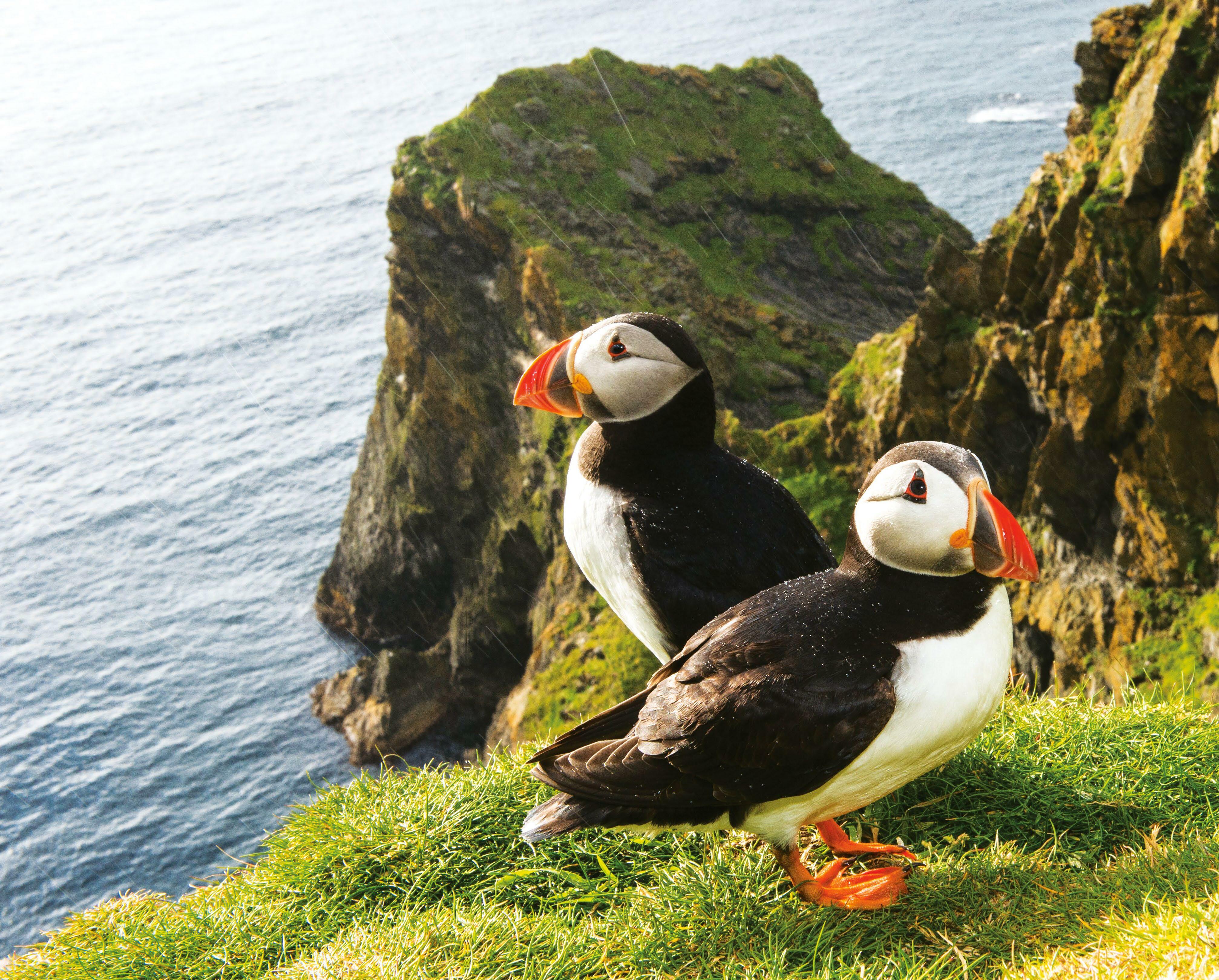
You don’t need to travel to the Serengeti in Africa or the Amazon rainforest in South America to find wildlife adventures. The British Isles are packed with wild treasures to discover. For example, the UK is home to more than 4,000 species of beetle and around 60–70% of the world’s global gannet population. Did you know that Britain has 700 square kilometres of rainforest? That’s enough to fill about 98,000 football fields. They provide handy habitats for wildlife rarely seen in other parts of the country, such as the rare chequered skipper butterfly and hazel gloves fungus found in the rainforests of western Scotland.
The UK’s location makes it globally important, too, with coastal islands and clifftops a main stopover point for millions of migrating birds, offering ideal spots to rest and feed. One of the most popular and recognisable of these is the puffin.
These black-and-white coloured seabirds arrive in their thousands every springtime to breed.
However, you may also have heard that nature has disappeared in the UK more than anywhere else in the world. Over centuries of farming, hunting and other activities, humans have wiped out a lot of Britain’s native wildlife.
The UK’s landscape can no longer support the wide variety of creatures and plants that once lived here. More than one in seven native species face extinction and Britain has lost almost half its biodiversity (the variety of plants and animals living in a particular place). Despite this, the UK is still home to an incredible variety of animals and plants, from basking sharks swimming in the deep to birds of prey flying up high. So come with us on an exciting journey through these wild isles.

このストーリーは、The Week Junior Science+Nature UK の Issue 60 版からのものです。
Magzter GOLD を購読すると、厳選された何千ものプレミアム記事や、10,000 以上の雑誌や新聞にアクセスできます。
すでに購読者ですか? サインイン
The Week Junior Science+Nature UK からのその他のストーリー
The Week Junior Science+Nature UK
ANIMAL ISLANDS
Hop aboard as Daisy Dobrijevic sets sail to discover the world's most unusual beasts.

5 mins
March 2026
The Week Junior Science+Nature UK
Wildlife watch
Take a walk on the wild side with Jenny Ackland.
1 mins
March 2026

The Week Junior Science+Nature UK
Pushmeet Kohli
Meet the tech genius who trains the smart computers that are changing your world.
3 mins
March 2026

The Week Junior Science+Nature UK
New map reveals secrets hidden under Antarctic ice
A new map of Antarctica has A revealed thousands of hills Are revealed thousands of hills and valleys buried under its thick layers of ice.
1 min
March 2026
The Week Junior Science+Nature UK
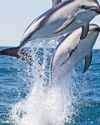
Why do dolphins jump out of the water?
Discover what makes these graceful ocean mammals leap for joy.
2 mins
March 2026
The Week Junior Science+Nature UK
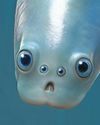
Ancient fish had four eves
Ancient vertebrates (animals that have backbones) had four eyes that worked a lot like ours, new research shows.
1 min
March 2026
The Week Junior Science+Nature UK
How? What? Why?
Set your curiosity free as Mike Rampton explains how asking questions changes the world.
5 mins
March 2026

The Week Junior Science+Nature UK
Bye-bye bitter grapefruits
Scientists have found a way to make grapefruits less bitter.
1 min
March 2026
The Week Junior Science+Nature UK
Spreading seeds of hope
Meet the scientists who are using drones to seed lost landscapes.
1 mins
March 2026
The Week Junior Science+Nature UK
Udderly brilliant cow seen using tools
A talented Austrian cow has shecked researchers by using both ends of a broom as a grooming tool.
1 min
March 2026
Translate
Change font size