Versuchen GOLD - Frei
WILD ISLES
The Week Junior Science+Nature UK
|Issue 60
Are you prepared for an encounter with Britain’s unique and amazing wildlife?
-
You don’t need to travel to the Serengeti in Africa or the Amazon rainforest in South America to find wildlife adventures. The British Isles are packed with wild treasures to discover. For example, the UK is home to more than 4,000 species of beetle and around 60–70% of the world’s global gannet population. Did you know that Britain has 700 square kilometres of rainforest? That’s enough to fill about 98,000 football fields. They provide handy habitats for wildlife rarely seen in other parts of the country, such as the rare chequered skipper butterfly and hazel gloves fungus found in the rainforests of western Scotland.
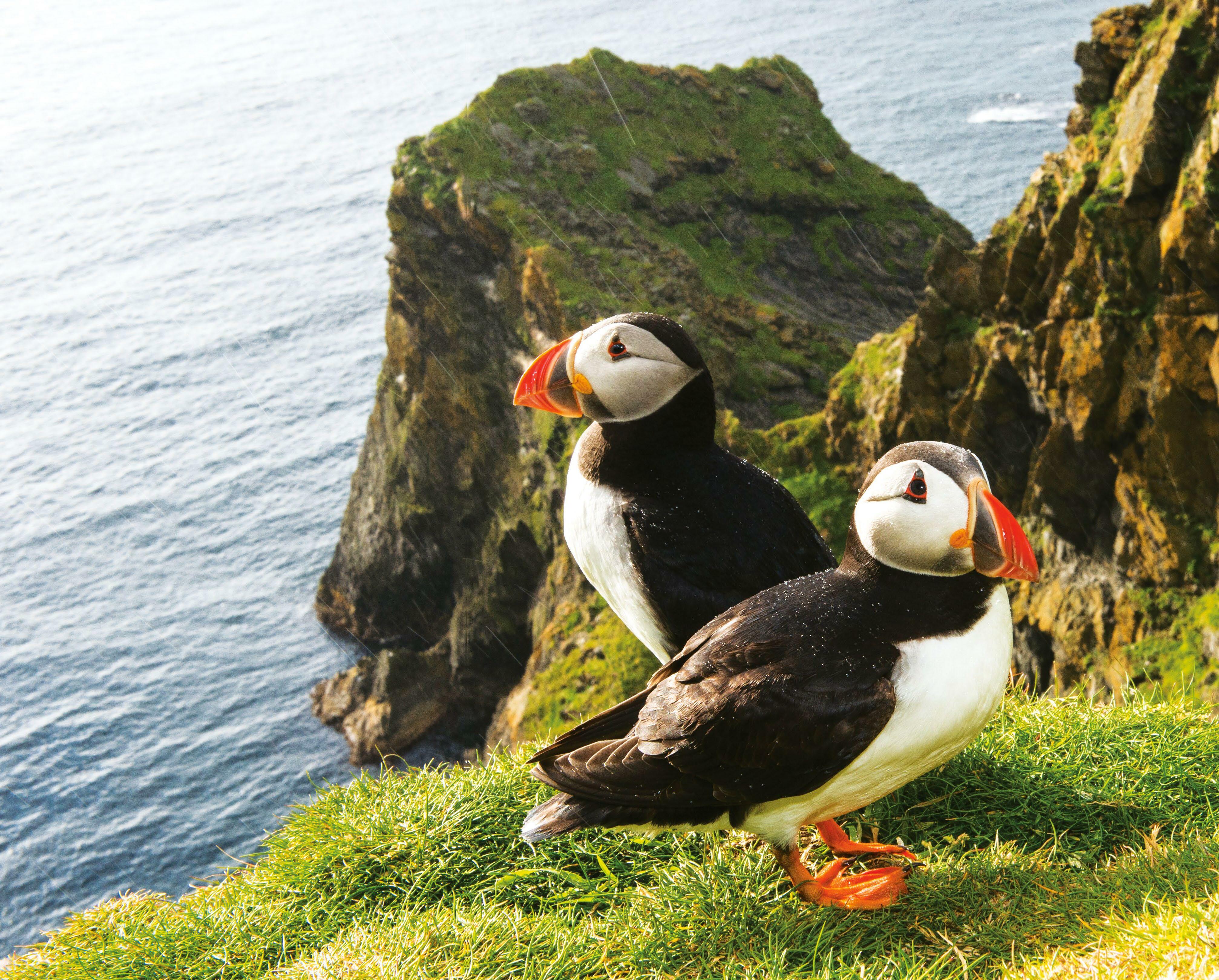
The UK’s location makes it globally important, too, with coastal islands and clifftops a main stopover point for millions of migrating birds, offering ideal spots to rest and feed. One of the most popular and recognisable of these is the puffin.
These black-and-white coloured seabirds arrive in their thousands every springtime to breed.
However, you may also have heard that nature has disappeared in the UK more than anywhere else in the world. Over centuries of farming, hunting and other activities, humans have wiped out a lot of Britain’s native wildlife.
The UK’s landscape can no longer support the wide variety of creatures and plants that once lived here. More than one in seven native species face extinction and Britain has lost almost half its biodiversity (the variety of plants and animals living in a particular place). Despite this, the UK is still home to an incredible variety of animals and plants, from basking sharks swimming in the deep to birds of prey flying up high. So come with us on an exciting journey through these wild isles.

Diese Geschichte stammt aus der Issue 60-Ausgabe von The Week Junior Science+Nature UK.
Abonnieren Sie Magzter GOLD, um auf Tausende kuratierter Premium-Geschichten und über 9.000 Zeitschriften und Zeitungen zuzugreifen.
Sie sind bereits Abonnent? Anmelden
WEITERE GESCHICHTEN VON The Week Junior Science+Nature UK

The Week Junior Science+Nature UK
Make a smoothie bowl
Use left-over fruit and veg to whip up this breakfast treat.

1 min
May 2026
The Week Junior Science+Nature UK
Indian snakes travel by train
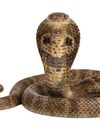
King cobras - the world's longest venomous snakes - are slithering on board trains across India, researchers have revealed.
1 min
May 2026
The Week Junior Science+Nature UK
Carr House Meadows
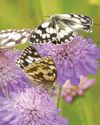
The UK's wildflower meadows are often brimming with life, colour and sound. As these habitats are full of plant and animal species, they are very precious.
1 min
May 2026
The Week Junior Science+Nature UK
Did dragons ever exist?
These fire-breathing monsters have been flying into stories for centuries.
2 mins
May 2026

The Week Junior Science+Nature UK
Should big species return to the UK?
Would you be happy about large animals roaming our countryside - including predators?
1 mins
May 2026

The Week Junior Science+Nature UK
SAVING CORAL REEFS
Find out how scientists, conservationists and imaging experts are joining forces to discover more about corals and bring reefs back to life.
1 mins
May 2026
The Week Junior Science+Nature UK
THE SECRET LIFE OF BEES
Step into a miniature world that quite literally buzzes with life.
1 min
May 2026
The Week Junior Science+Nature UK
Windermere Science Festival
On 9 and 10 May, Windermere Science Festival returns to Windermere Jetty Museum. Get ready for science-themed family fun, including roving robots and awesome virtual reality.
1 min
May 2026

The Week Junior Science+Nature UK
Aneeshwar Kunchala
Hear from a young TV star about his new series and his ambition to save wildlife.
3 mins
May 2026

The Week Junior Science+Nature UK
WORLD'S OLDEST COCKATIEL
Sonny, a family pet living in the US state of Illinois, has been officially recognised as the oldest of his species.
1 min
May 2026
Translate
Change font size