
Magzter GOLDで無制限に
10,000以上の雑誌、新聞、プレミアム記事に無制限にアクセスできます。
Hybrid takeover
Down To Earth
|September 01, 2023
DALJIT SINGH usually harvests 10 tonnes of rice from his 1.5-hectare farmland. But in 2022, the yield was just 1.9 tonnes. Most of the crop was dwarfed due to a Fiji virus infection. "I had used hybrid seeds manufactured by German company Bayer.

This year, all the farmers in my village have decided not to use seeds manufactured by Bayer because they seem to catch infection easily," says Daljit.
Daljit is a farmer in Shahbad, a village in Ambala district of Haryana. Though the farmers of Shahbad did not use seeds by Bayer this year, they have not become averse to hybrid seeds altogether. "We have used hybrid varieties of a different brand because hybrid seeds give better yield," says Daljit.
Over the decades, popularity of hybrid seeds has been increasing among farmers in India. Hybrid varieties get ready for harvest quickly as compared to traditional varieties (these are handpicked by farmers from the field after harvest for use next year, and the process can be replicated for generations) or the open pollinated variety (OPV) seeds (these are mostly developed by agricultural universities and can be used for five to seven years). "The quicker harvest quality of hybrid seeds gives farmers a window to sow short-duration crops, such as potato, between two crop cycles," says Manjit Singh, a farmer from Mohri in Ambala district.



このストーリーは、Down To Earth の September 01, 2023 版からのものです。
Magzter GOLD を購読すると、厳選された何千ものプレミアム記事や、10,000 以上の雑誌や新聞にアクセスできます。
すでに購読者ですか? サインイン
Down To Earth からのその他のストーリー
Down To Earth
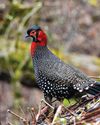
KING OF BIRDS
Revered for centuries, western tragopan now needs protection as its forests shrink, human pressures mount

3 mins
December 16, 2025

Down To Earth
WHISKERS ALL AQUIVER
Climate change threatens creatures that have weathered extreme environments for thousands of years
2 mins
December 16, 2025

Down To Earth
GOLDEN SPIRIT
Survival of the shy primate is closely tied to the health of Western Ghats
3 mins
December 16, 2025

Down To Earth
RINGED EYES IN THE CANOPY
Rapid habitat destruction forces arboreal langur to alter habits
2 mins
December 16, 2025

Down To Earth
HANGING BY THE CLIFF
The Himalaya's rarest wild goat is on the brink of local extinction
2 mins
December 16, 2025

Down To Earth
ANGEL OF THE BEAS
Conservation reserves, citizen science, and habitat protection give the Indus River dolphin a fighting chance in India
2 mins
December 16, 2025
Down To Earth
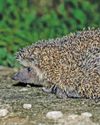
UNDER MOONLIT SCRUB
Survival of this hidden guardian tells us whether our scrublands still breathe
2 mins
December 16, 2025

Down To Earth
SYMBOL OF SILENT VALLEY
Lion-tailed macaque remains vulnerable despite past victories
2 mins
December 16, 2025

Down To Earth
THE APE IN OUR STORIES
India's only non-human ape species is a cultural icon threatened by forest fragmentation
2 mins
December 16, 2025
Down To Earth
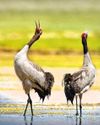
SENTINEL OF THE HIGH COLD DESERT
The bird's evocative call may not continue to roll across the cold desert valley for long
3 mins
December 16, 2025
Translate
Change font size