
Magzter GOLDで無制限に
10,000以上の雑誌、新聞、プレミアム記事に無制限にアクセスできます。
Frittering away Nehru's momentous legacy
Down To Earth
|August 16, 2023
India initiated production of critical drugs in 1951 with the aid of UN bodies to keep out patent blocks-a model we have forgotten

HISTORY OFFERS many excellent lessons for our science and technology development; but for that we need to know the past. Not the fabled past of mythical times based on folklore and imagined technical prowess, but the more recent history of modern India, when a poor, struggling nation set itself some ambitious targets. One of the more fascinating aspects of this history is the setting up of a penicillin manufacturing factory in the 1950s. Almost anyone with interest in pharmaceuticals knows about Hindustan Antibiotics, the first factory in the Third World to start production of critical drugs in 1954. Few, however, are aware of the ideological battles that were fought as Jawaharlal Nehru pondered the path of development that his newly independent country should pursue, when access to technology was elusive, resources were scarce and drug multinationals were determined to control markets through their know-how and patents. Why is this of any relevance now? Simply because we have not learned the lessons of the past.
What triggered this column's plunge into history was a small news item about the enormous sums the government had spent on procuring vaccines to fight the SARS-COV-2 pandemic. It reflected the concerns that India's first prime minister grappled with while dealing with the question of setting up manufacturing projects in the country and in particular, the penicillin project. The news report of August 4 said the Government of India had spent, till July 31, 2023, a total of ₹36,397 crore on COVID-19 vaccines. The big payout was to the Serum Institute of India, a contract manufacturer for Covishield, the vaccine developed by British multinational AstraZeneca. It received 25,583 crore for 1.3 billion doses, while Bharat Biotech, makers of the indigenously developed Covaxin earned ₹7,301 crore for 35 million doses. These figures reveal how far we are from the goal of self-reliance in pharma that Nehru had hoped for.

このストーリーは、Down To Earth の August 16, 2023 版からのものです。
Magzter GOLD を購読すると、厳選された何千ものプレミアム記事や、10,000 以上の雑誌や新聞にアクセスできます。
すでに購読者ですか? サインイン
Down To Earth からのその他のストーリー
Down To Earth
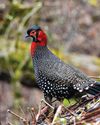
KING OF BIRDS
Revered for centuries, western tragopan now needs protection as its forests shrink, human pressures mount

3 mins
December 16, 2025
Down To Earth
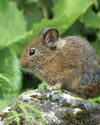
WHISKERS ALL AQUIVER
Climate change threatens creatures that have weathered extreme environments for thousands of years
2 mins
December 16, 2025
Down To Earth
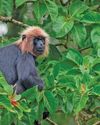
GOLDEN SPIRIT
Survival of the shy primate is closely tied to the health of Western Ghats
3 mins
December 16, 2025

Down To Earth
RINGED EYES IN THE CANOPY
Rapid habitat destruction forces arboreal langur to alter habits
2 mins
December 16, 2025
Down To Earth
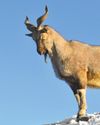
HANGING BY THE CLIFF
The Himalaya's rarest wild goat is on the brink of local extinction
2 mins
December 16, 2025
Down To Earth
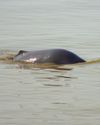
ANGEL OF THE BEAS
Conservation reserves, citizen science, and habitat protection give the Indus River dolphin a fighting chance in India
2 mins
December 16, 2025

Down To Earth
UNDER MOONLIT SCRUB
Survival of this hidden guardian tells us whether our scrublands still breathe
2 mins
December 16, 2025
Down To Earth
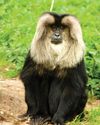
SYMBOL OF SILENT VALLEY
Lion-tailed macaque remains vulnerable despite past victories
2 mins
December 16, 2025
Down To Earth
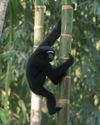
THE APE IN OUR STORIES
India's only non-human ape species is a cultural icon threatened by forest fragmentation
2 mins
December 16, 2025
Down To Earth
SENTINEL OF THE HIGH COLD DESERT
The bird's evocative call may not continue to roll across the cold desert valley for long
3 mins
December 16, 2025
Translate
Change font size