
Magzter GOLDで無制限に
10,000以上の雑誌、新聞、プレミアム記事に無制限にアクセスできます。
試す 金 - 無料
Nature wins after Moscow's dam strike
The Guardian Weekly
|July 26, 2024
Newly created miracle’ on Dnipro hosts animals, birds and saplings ina landscape of ponds and forests

Standing in a scene of shimmering green, Vadym Maniuk pointed to a young white willow tree. "What happened here is a miracle," he said. "Some of the saplings are already 4 metres tall. There is nowhere else like this on the planet."
Maniuk, an ecologist, picked his way through a jungle of new branches. The sky above was scarcely visible.
In the mud - cracked after days of sweltering temperatures - were the remains of molluscs. The scientist showed off black poplars, also racing upwards, reeds and a small mulberry.
Under the leaves it was pleasantly cool.
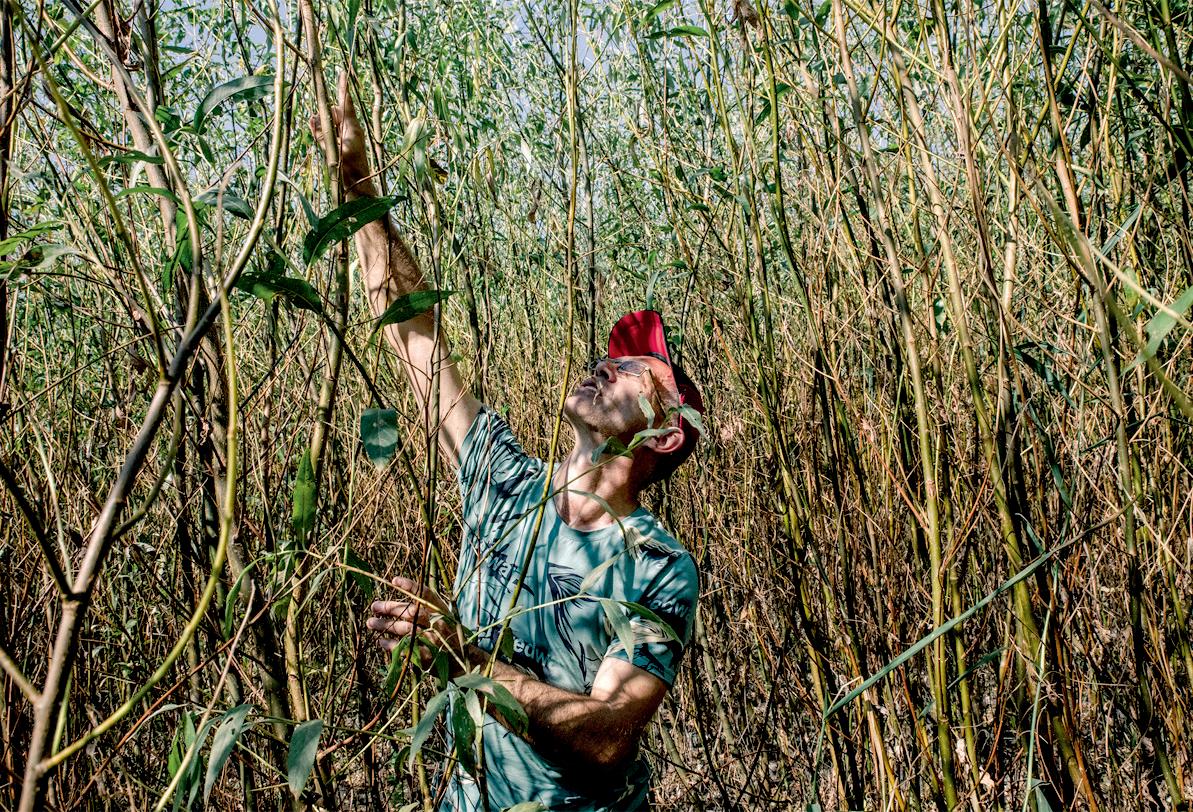 Just over a year ago, the spot where Maniuk stood was under several metres of water. In the 1920s Stalin ordered the construction of hydroelectric power stations along the Dnipro river. The area between two of the dams - one in Zaporizhzhia, the other in Kakhovka became a vast artificial lake.
This Soviet reservoir swallowed up ancient Cossack sites as well as vegetable gardens and grazing pastures used by generations of Ukrainian villagers for food and fuel. The Kremlin promised modernity instead: electricity and irrigation for fields and collective farms across the southern region.
After Vladimir Putin launched the 2022 invasion of Ukraine, the reservoir quickly became part of the frontline.


このストーリーは、The Guardian Weekly の July 26, 2024 版からのものです。
Magzter GOLD を購読すると、厳選された何千ものプレミアム記事や、10,000 以上の雑誌や新聞にアクセスできます。
すでに購読者ですか? サインイン
The Guardian Weekly からのその他のストーリー
The Guardian Weekly
My boyfriend's use of AI stops him thinking for himself
My boyfriend of eight years, who is 44, has ADHD and runs his own business.

2 mins
February 27, 2026

The Guardian Weekly
'Our land lets us all breathe clean oxygen'
The Congo River basin is home to a biodiverse ecosystem-and a relentless trade in timber and charcoal
3 mins
February 27, 2026

The Guardian Weekly
Nations apart: Andrew's UK arrest highlights US passivity on Epstein files
It is a tale of two nations.
2 mins
February 27, 2026
The Guardian Weekly
Under water: Engulfed by storms, but climate denial grows
In the week between Christmas and the New Year, two Spanish men in their early 50s - friends since childhood - went to a restaurant and did not come home.
3 mins
February 27, 2026

The Guardian Weekly
The crown in court
A brief history of royal run-ins with the law
3 mins
February 27, 2026

The Guardian Weekly
Big in Beijing
James Balmont's band, Swim Deep, plays to crowds of hundreds across the UK - but in China, they play to tens of thousands. And they're not the only ones
3 mins
February 27, 2026
The Guardian Weekly
Trump's Board of Peace is serving private interests more than public good
In Gaza, aid still trickles in at levels relief agencies say are far below what is required.
2 mins
February 27, 2026

The Guardian Weekly
Needle drops Weight-loss pills are here - and big pharma stands to gain
Oral tablets could bring obesity treatment into the mainstream, with the sector predicted to be worth $200bn by the end of the decade
6 mins
February 27, 2026

The Guardian Weekly
How Italians gradually warmed to their Winter Olympics
With the atmosphere in Rome subdued as the Winter Olympics unfolded across northern Italy, travelling to the Games was not on Amity Neumeister's radar.
3 mins
February 27, 2026
The Guardian Weekly
Fire and fury
Violence erupts as security forces kill feared cartel boss.
1 min
February 27, 2026
Listen
Translate
Change font size